



Gifting Made Simple
Give the Gift of ChoiceClick below to purchase a Bramalea City Centre eGift Card that can be used at participating retailers at Bramalea City Centre.Purchase HereHome
CCF Colonialism in Northern Saskatchewan: Battling Parish Priests, Bootleggers, and Fur Sharks
Coles
Loading Inventory...
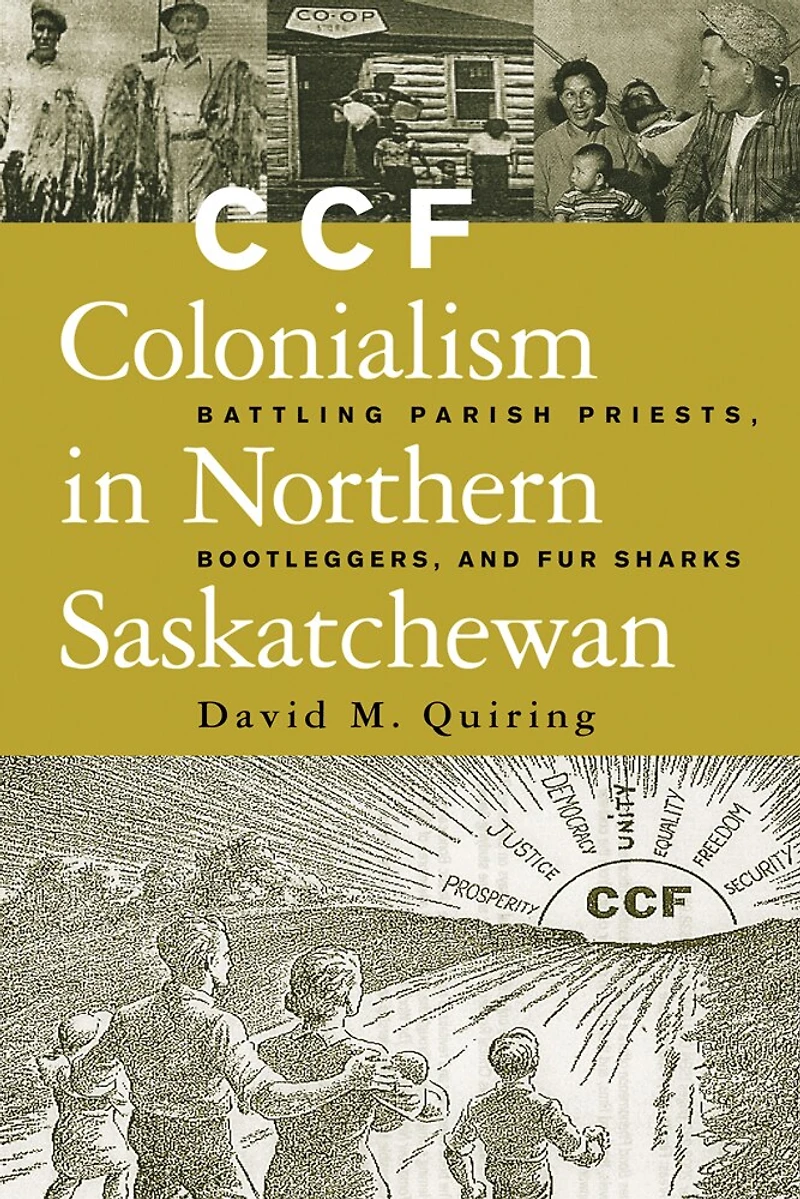
CCF Colonialism in Northern Saskatchewan: Battling Parish Priests, Bootleggers, and Fur Sharks in Brampton, ON
Current price: $37.95
Coles
CCF Colonialism in Northern Saskatchewan: Battling Parish Priests, Bootleggers, and Fur Sharks in Brampton, ON
Current price: $37.95
Loading Inventory...
Size: Hardcover
*Product information and pricing may vary - to confirm current pricing, availability, shipping, and return information please contact Coles. In the event of a pricing discrepancy, the retailer's price will apply.
Often remembered for its humanitarian platform and its pioneering social programs, Saskatchewan’s Cooperative Commonwealth Federation (CCF) wrought a much less scrutinized legacy in the northern regions of the province during the twenty years it governed.
Until the 1940s churches, fur traders, and other wealthy outsiders held uncontested control over Saskatchewan’s northern region. Following its rise to power in 1944, the CCF undertook aggressive efforts to unseat these traditional powers and to install a new socialist economy and society in largely Aboriginal northern communities. The next two decades brought major changes to the region as well-meaning government planners grossly misjudged the challenges that confronted the north and failed to implement programs that would meet northern needs. As the CCF’s efforts to modernize and assimilate northern people met with frustration, it was the northern people themselves that inevitably suffered from the fallout of this failure.
In an elegantly written history that documents the colonial relationship between the CCF and the Saskatchewan north, David M. Quiring draws on extensive archival research and oral history to offer a fresh look at the CCF era. This examination will find a welcome audience among historians of the north, Aboriginal scholars, and general readers.
Often remembered for its humanitarian platform and its pioneering social programs, Saskatchewan’s Cooperative Commonwealth Federation (CCF) wrought a much less scrutinized legacy in the northern regions of the province during the twenty years it governed.
Until the 1940s churches, fur traders, and other wealthy outsiders held uncontested control over Saskatchewan’s northern region. Following its rise to power in 1944, the CCF undertook aggressive efforts to unseat these traditional powers and to install a new socialist economy and society in largely Aboriginal northern communities. The next two decades brought major changes to the region as well-meaning government planners grossly misjudged the challenges that confronted the north and failed to implement programs that would meet northern needs. As the CCF’s efforts to modernize and assimilate northern people met with frustration, it was the northern people themselves that inevitably suffered from the fallout of this failure.
In an elegantly written history that documents the colonial relationship between the CCF and the Saskatchewan north, David M. Quiring draws on extensive archival research and oral history to offer a fresh look at the CCF era. This examination will find a welcome audience among historians of the north, Aboriginal scholars, and general readers.
You May Also Like


















Find at Bramalea City Centre in Brampton, ON
Visit at Bramalea City Centre in Brampton, ON