



Gifting Made Simple
Give the Gift of ChoiceClick below to purchase a Bramalea City Centre eGift Card that can be used at participating retailers at Bramalea City Centre.Purchase HereHome
Carmel: A History in Architecture
Coles
Loading Inventory...
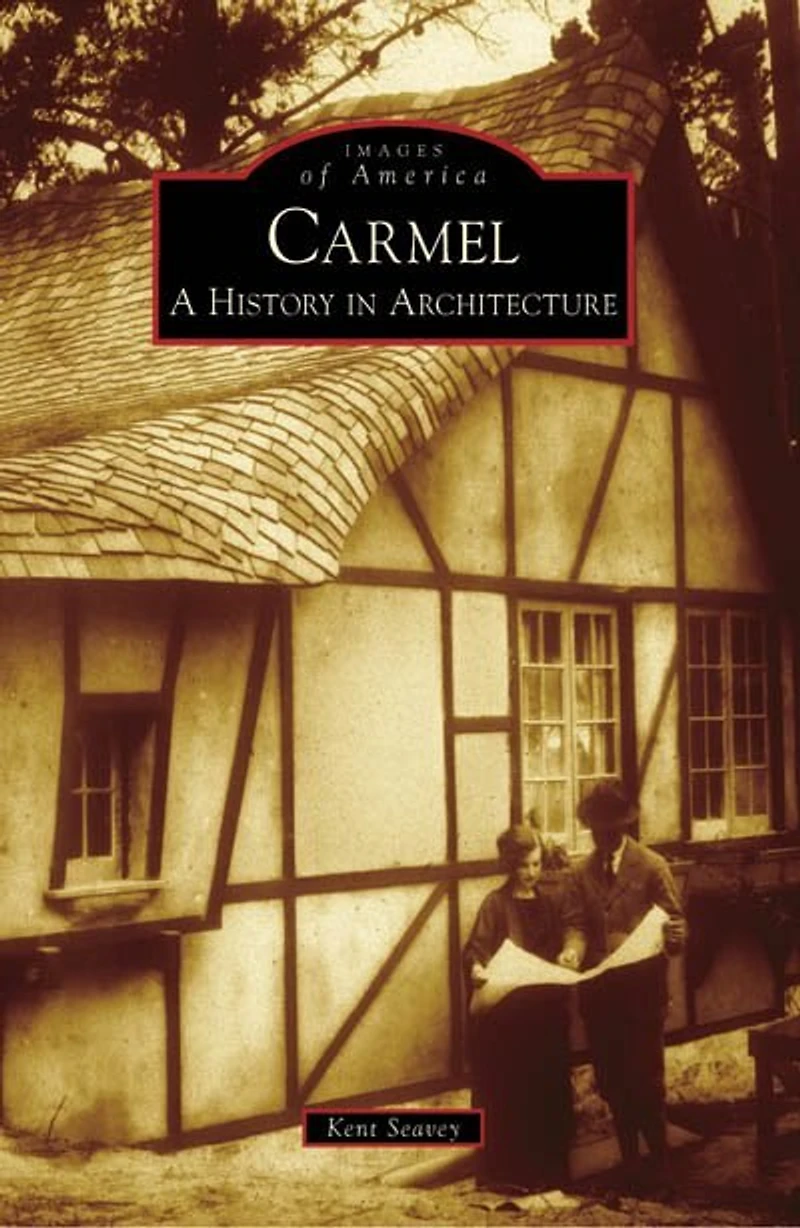
Carmel: A History in Architecture in Brampton, ON
Current price: $32.50
Coles
Carmel: A History in Architecture in Brampton, ON
Current price: $32.50
Loading Inventory...
Size: Paperback
*Product information and pricing may vary - to confirm current pricing, availability, shipping, and return information please contact Coles. In the event of a pricing discrepancy, the retailer's price will apply.
Carmel is a microcosm of California's architectural heritage, sited at one of the most scenic meetings of land and sea in the world. Mission San Carlos Borromeo became a root building for California's first regional building style, the Mission Revival. "Carmel City," as it was called in the 1880s, was marketed as a seaside resort for Catholics. Its pine-studded sand dunes survived the imposition of a standard American gridiron street pattern, with a Western, false-front main street, to become "Carmel-by-the-Sea." Artists, academics, and writers embraced the arts-and-crafts aesthetic of handcrafted homes built from native materials, informally sited in the landscape. In the mid-1920s, Tudor Revival and Spanish Romantic Revival styles enhanced the storybook quality of the community. Carmel's architectural character is primarily the product of working builders. Its design traditions have been interpreted and modified for modern times by noted architects, building designers, and craftsmen. Individual expression continues as an ongoing aesthetic theme.
Carmel is a microcosm of California's architectural heritage, sited at one of the most scenic meetings of land and sea in the world. Mission San Carlos Borromeo became a root building for California's first regional building style, the Mission Revival. "Carmel City," as it was called in the 1880s, was marketed as a seaside resort for Catholics. Its pine-studded sand dunes survived the imposition of a standard American gridiron street pattern, with a Western, false-front main street, to become "Carmel-by-the-Sea." Artists, academics, and writers embraced the arts-and-crafts aesthetic of handcrafted homes built from native materials, informally sited in the landscape. In the mid-1920s, Tudor Revival and Spanish Romantic Revival styles enhanced the storybook quality of the community. Carmel's architectural character is primarily the product of working builders. Its design traditions have been interpreted and modified for modern times by noted architects, building designers, and craftsmen. Individual expression continues as an ongoing aesthetic theme.
You May Also Like















Find at Bramalea City Centre in Brampton, ON
Visit at Bramalea City Centre in Brampton, ON