



Gifting Made Simple
Give the Gift of ChoiceClick below to purchase a Bramalea City Centre eGift Card that can be used at participating retailers at Bramalea City Centre.Purchase HereHome
Caribbean Literature and the Public Sphere: From Plantation to Postcolonial
Coles
Loading Inventory...
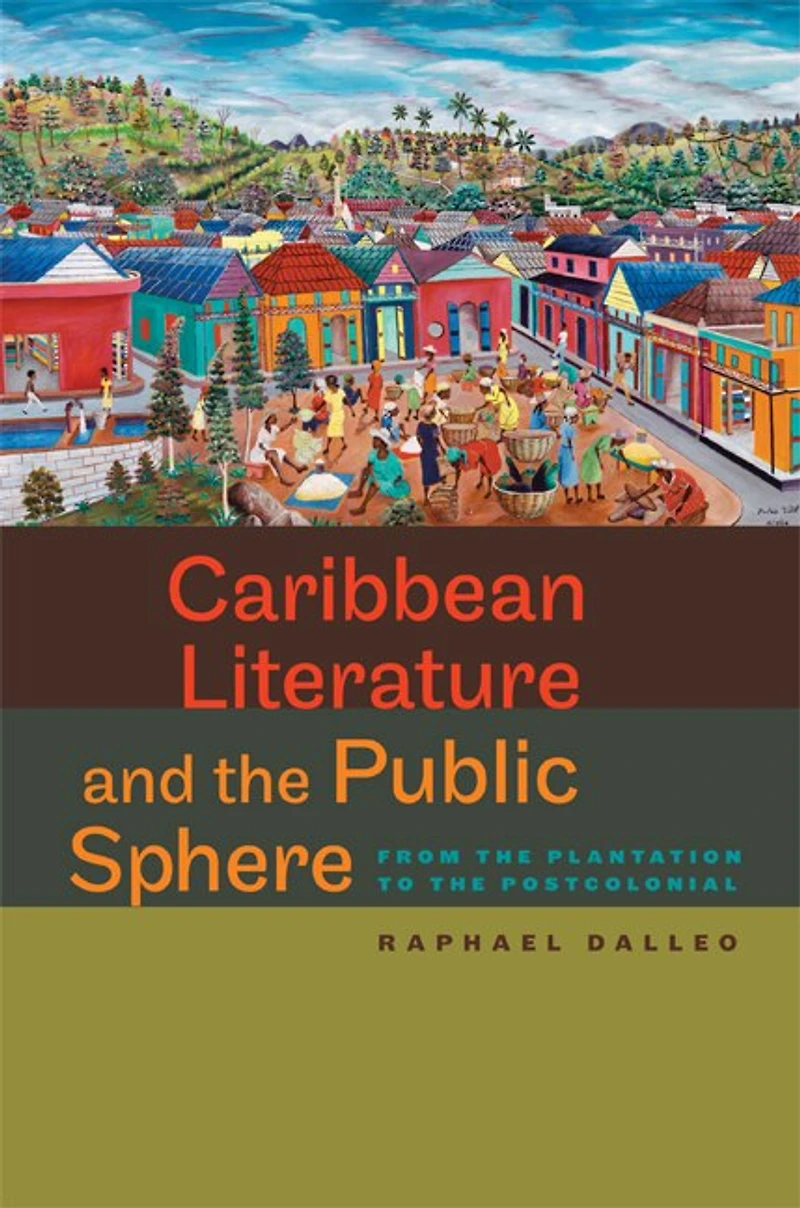
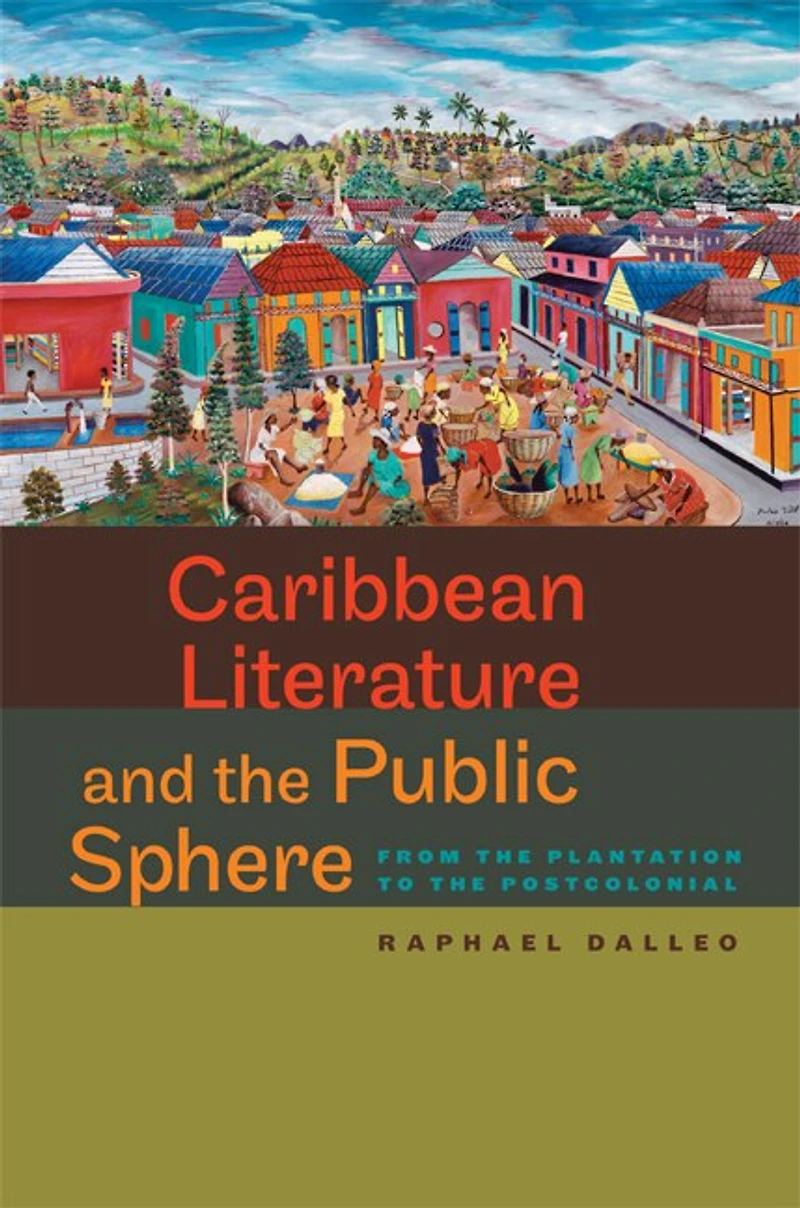
Caribbean Literature and the Public Sphere: From Plantation to Postcolonial in Brampton, ON
Current price: $101.95
Coles
Caribbean Literature and the Public Sphere: From Plantation to Postcolonial in Brampton, ON
Current price: $101.95
Loading Inventory...
Size: Hardcover
*Product information and pricing may vary - to confirm current pricing, availability, shipping, and return information please contact Coles. In the event of a pricing discrepancy, the retailer's price will apply.
Bringing together the most exciting recent archival work in anglophone, francophone, and hispanophone Caribbean studies, Raphael Dalleo constructs a new literary history of the region that is both comprehensive and innovative. He examines how changes in political, economic, and social structures have produced different sets of possibilities for writers to imagine their relationship to the institutions of the public sphere. In the process, he provides a new context for rereading such major writers as Mary Seacole, José Martí, Jacques Roumain, Claude McKay, Marie Chauvet, and George Lamming, while also drawing lesser-known figures into the story. Dalleo?s comparative approach will be important to Caribbeanists from all of the region?s linguistic traditions, and his book contributes even more broadly to debates in Latin American and postcolonial studies about postmodernity and globalization.
Bringing together the most exciting recent archival work in anglophone, francophone, and hispanophone Caribbean studies, Raphael Dalleo constructs a new literary history of the region that is both comprehensive and innovative. He examines how changes in political, economic, and social structures have produced different sets of possibilities for writers to imagine their relationship to the institutions of the public sphere. In the process, he provides a new context for rereading such major writers as Mary Seacole, José Martí, Jacques Roumain, Claude McKay, Marie Chauvet, and George Lamming, while also drawing lesser-known figures into the story. Dalleo?s comparative approach will be important to Caribbeanists from all of the region?s linguistic traditions, and his book contributes even more broadly to debates in Latin American and postcolonial studies about postmodernity and globalization.
You May Also Like

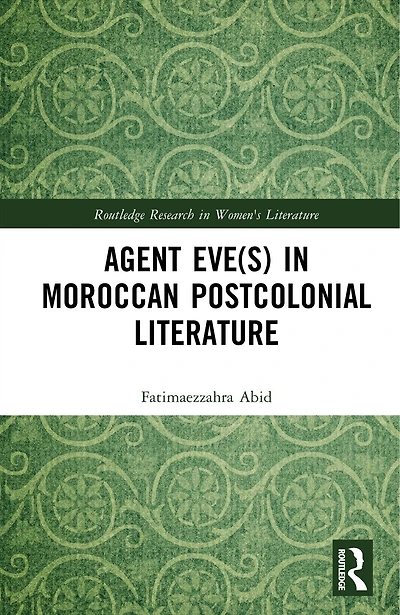








Find at Bramalea City Centre in Brampton, ON
Visit at Bramalea City Centre in Brampton, ON