



Gifting Made Simple
Give the Gift of ChoiceClick below to purchase a Bramalea City Centre eGift Card that can be used at participating retailers at Bramalea City Centre.Purchase HereHome
Cancer Nanotheranostics: Volume 1
Coles
Loading Inventory...
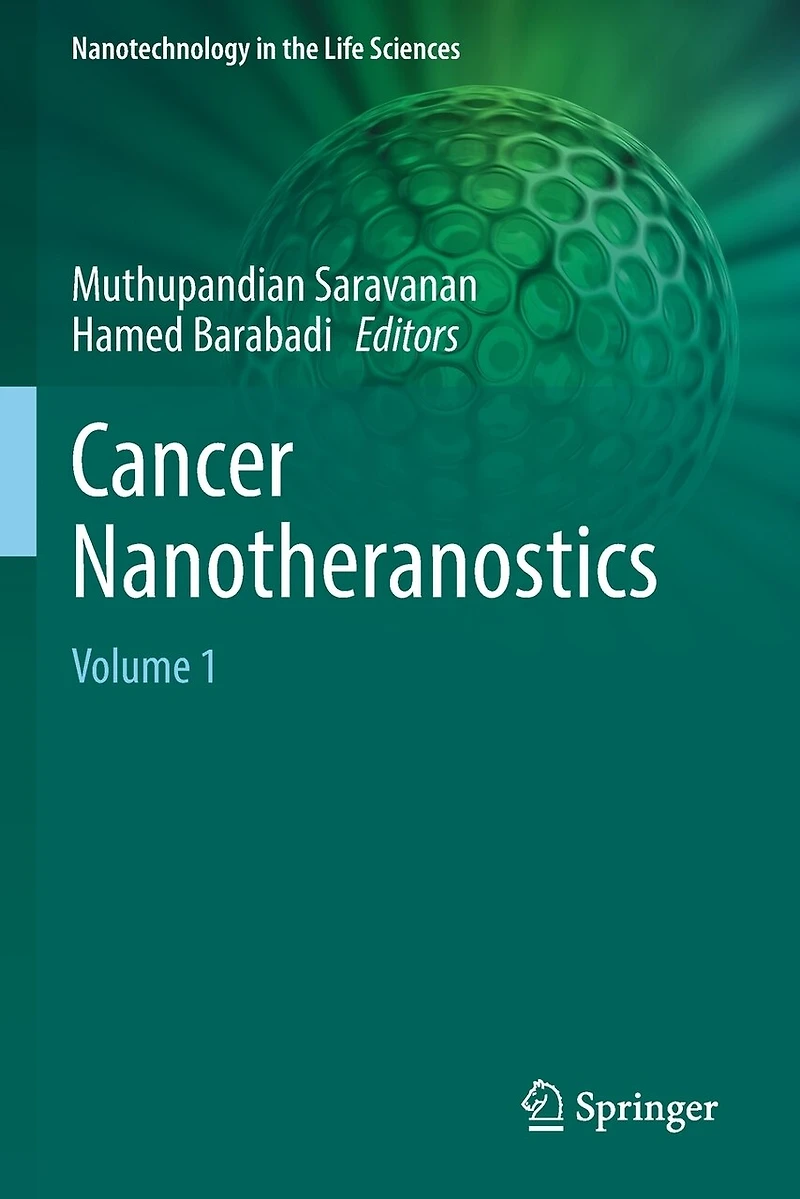
Cancer Nanotheranostics: Volume 1 in Brampton, ON
Current price: $291.95
Coles
Cancer Nanotheranostics: Volume 1 in Brampton, ON
Current price: $291.95
Loading Inventory...
Size: Paperback
*Product information and pricing may vary - to confirm current pricing, availability, shipping, and return information please contact Coles. In the event of a pricing discrepancy, the retailer's price will apply.
Nanotechnology is an interdisciplinary research field that integrates chemistry, engineering, biology, and medicine. Nanomaterials offer tremendous opportunity as well as challenges for researchers. Of course, cancer is one of the world's most common health problems, responsible for many deaths. Exploring efficient anticancer drugs could revolutionize treatment options and help manage cancer mortality. Nanomedicine plays a significant role in developing alternative and more effective treatment strategies for cancer theranostics. This book mainly focuses on the emerging trends using nanomaterials and nanocomposites as alternative anticancer material's. The book is divided into three main topic areas: how to overcome existing traditional approaches to combat cancer, applying multiple mechanisms to target the cancer cells, and how nanomaterials can be used as effective carriers. The contents highlight recent advances in interdisciplinary research on processing, morphology, structure, andproperties of nanostructured materials and their applications to combat cancer. Cancer Nanotheranostics is comprehensive in that it discusses all aspects of cancer nanotechnology. Because of the vast amount of information, it was decided to split this material into two volumes. In the first volume of Cancer Nanotheranostics , we discuss the role of different nanomaterials for cancer therapy, including lipid-based nanomaterials, protein and peptide-based nanomaterials, polymer-based nanomaterials, metal-organic nanomaterials, porphyrin-based nanomaterials, metal-based nanomaterials, silica-based nanomaterials, exosome-based nanomaterials and nano-antibodies. In the second volume, we discuss the nano-based diagnosis of cancer, nano-oncology for clinical applications, nano-immunotherapy, nano-based photothermal cancer therapy, nano-erythrosomes for cancer drug delivery, regulatory perspectives of nanomaterials, limitations of cancer nanotheranostics, the safety of nano-biomaterials for cancer nanotheranostics, multifunctional nanomaterials for targeting cancer nanotheranostics, and the role of artificial intelligence in cancer nanotheranostics.
Nanotechnology is an interdisciplinary research field that integrates chemistry, engineering, biology, and medicine. Nanomaterials offer tremendous opportunity as well as challenges for researchers. Of course, cancer is one of the world's most common health problems, responsible for many deaths. Exploring efficient anticancer drugs could revolutionize treatment options and help manage cancer mortality. Nanomedicine plays a significant role in developing alternative and more effective treatment strategies for cancer theranostics. This book mainly focuses on the emerging trends using nanomaterials and nanocomposites as alternative anticancer material's. The book is divided into three main topic areas: how to overcome existing traditional approaches to combat cancer, applying multiple mechanisms to target the cancer cells, and how nanomaterials can be used as effective carriers. The contents highlight recent advances in interdisciplinary research on processing, morphology, structure, andproperties of nanostructured materials and their applications to combat cancer. Cancer Nanotheranostics is comprehensive in that it discusses all aspects of cancer nanotechnology. Because of the vast amount of information, it was decided to split this material into two volumes. In the first volume of Cancer Nanotheranostics , we discuss the role of different nanomaterials for cancer therapy, including lipid-based nanomaterials, protein and peptide-based nanomaterials, polymer-based nanomaterials, metal-organic nanomaterials, porphyrin-based nanomaterials, metal-based nanomaterials, silica-based nanomaterials, exosome-based nanomaterials and nano-antibodies. In the second volume, we discuss the nano-based diagnosis of cancer, nano-oncology for clinical applications, nano-immunotherapy, nano-based photothermal cancer therapy, nano-erythrosomes for cancer drug delivery, regulatory perspectives of nanomaterials, limitations of cancer nanotheranostics, the safety of nano-biomaterials for cancer nanotheranostics, multifunctional nanomaterials for targeting cancer nanotheranostics, and the role of artificial intelligence in cancer nanotheranostics.
You May Also Like

















Find at Bramalea City Centre in Brampton, ON
Visit at Bramalea City Centre in Brampton, ON