



Gifting Made Simple
Give the Gift of ChoiceClick below to purchase a Bramalea City Centre eGift Card that can be used at participating retailers at Bramalea City Centre.Purchase HereHome
Can Construction Grammar Be Proven Wrong?
Coles
Loading Inventory...
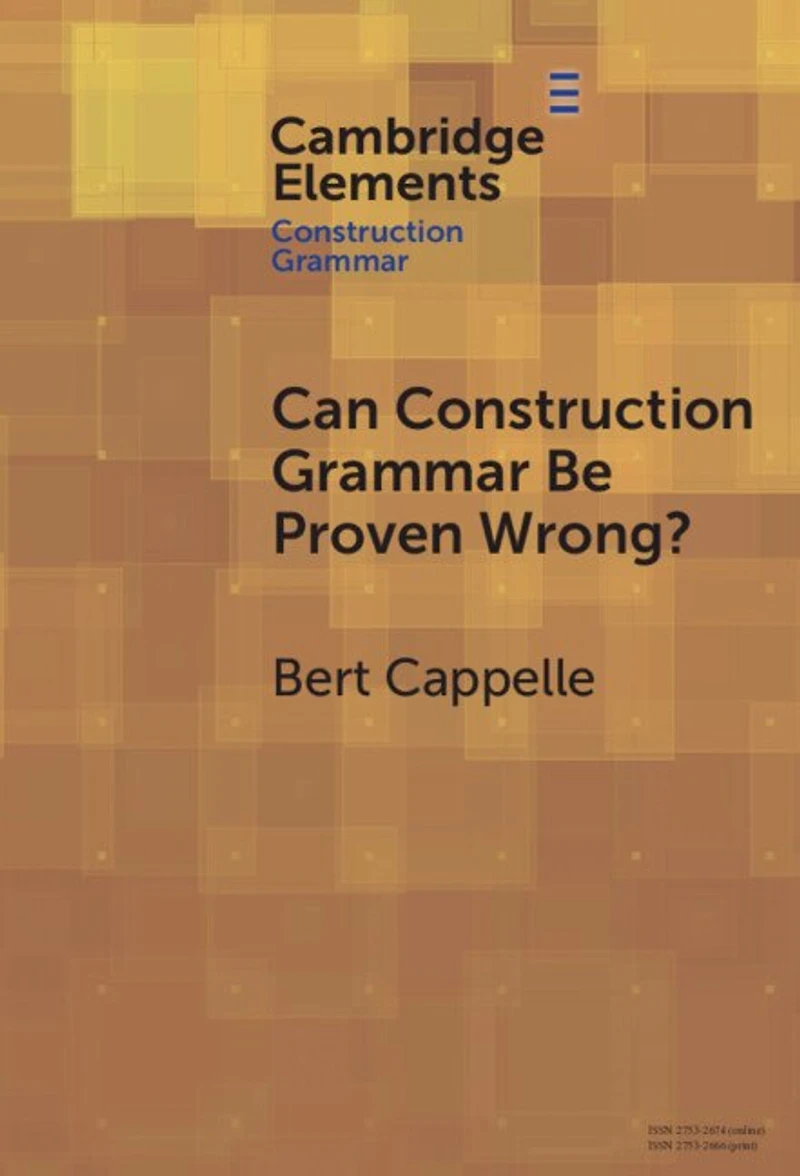
Can Construction Grammar Be Proven Wrong? in Brampton, ON
Current price: $94.73
Coles
Can Construction Grammar Be Proven Wrong? in Brampton, ON
Current price: $94.73
Loading Inventory...
Size: Hardcover
*Product information and pricing may vary - to confirm current pricing, availability, shipping, and return information please contact Coles. In the event of a pricing discrepancy, the retailer's price will apply.
Construction Grammar has gained prominence in linguistics, owing its popularity to its inclusive approach that considers language units of varying sizes and generality as potential constructions – mentally stored form-function units. This Element serves as a cautionary note against complacency and dogmatism. It emphasizes the enduring importance of falsifiability as a criterion for scientific hypotheses and theories. Can every postulated construction, in principle, be empirically demonstrated not to exist? As a case study, the author examines the schematic English transitive verb-particle construction, which defies experimental verification. He argues that we can still reject its non-existence using sound linguistic reasoning. But beyond individual constructions, what could be a crucial test for Construction Grammar itself, one that would falsify it as a theory? In making a proposal for such a test, designed to prove that speakers also exhibit pure-form knowledge, this Element contributes to ongoing discussions about Construction Grammar's theoretical foundations.
Construction Grammar has gained prominence in linguistics, owing its popularity to its inclusive approach that considers language units of varying sizes and generality as potential constructions – mentally stored form-function units. This Element serves as a cautionary note against complacency and dogmatism. It emphasizes the enduring importance of falsifiability as a criterion for scientific hypotheses and theories. Can every postulated construction, in principle, be empirically demonstrated not to exist? As a case study, the author examines the schematic English transitive verb-particle construction, which defies experimental verification. He argues that we can still reject its non-existence using sound linguistic reasoning. But beyond individual constructions, what could be a crucial test for Construction Grammar itself, one that would falsify it as a theory? In making a proposal for such a test, designed to prove that speakers also exhibit pure-form knowledge, this Element contributes to ongoing discussions about Construction Grammar's theoretical foundations.
You May Also Like

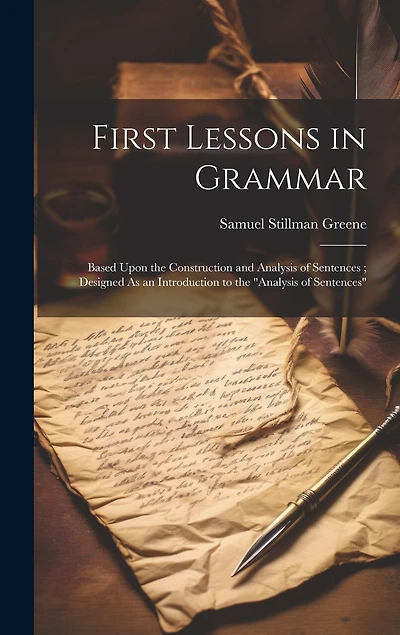
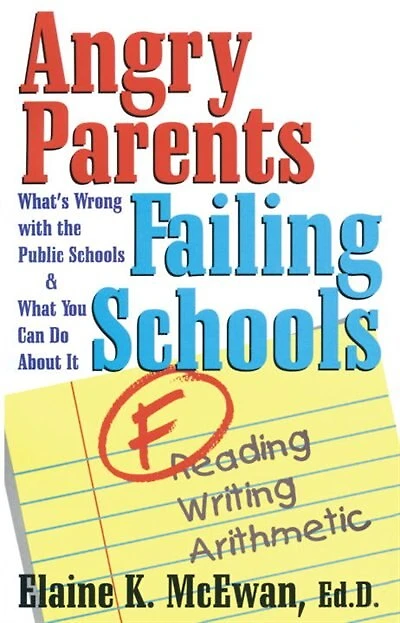

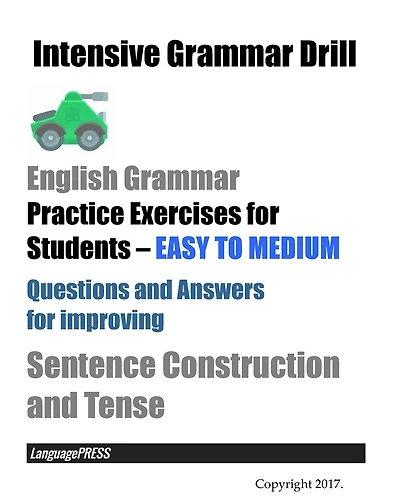












Find at Bramalea City Centre in Brampton, ON
Visit at Bramalea City Centre in Brampton, ON