



Gifting Made Simple
Give the Gift of ChoiceClick below to purchase a Bramalea City Centre eGift Card that can be used at participating retailers at Bramalea City Centre.Purchase HereHome
Brought to Bed: Childbearing America, 1750-1950
Coles
Loading Inventory...
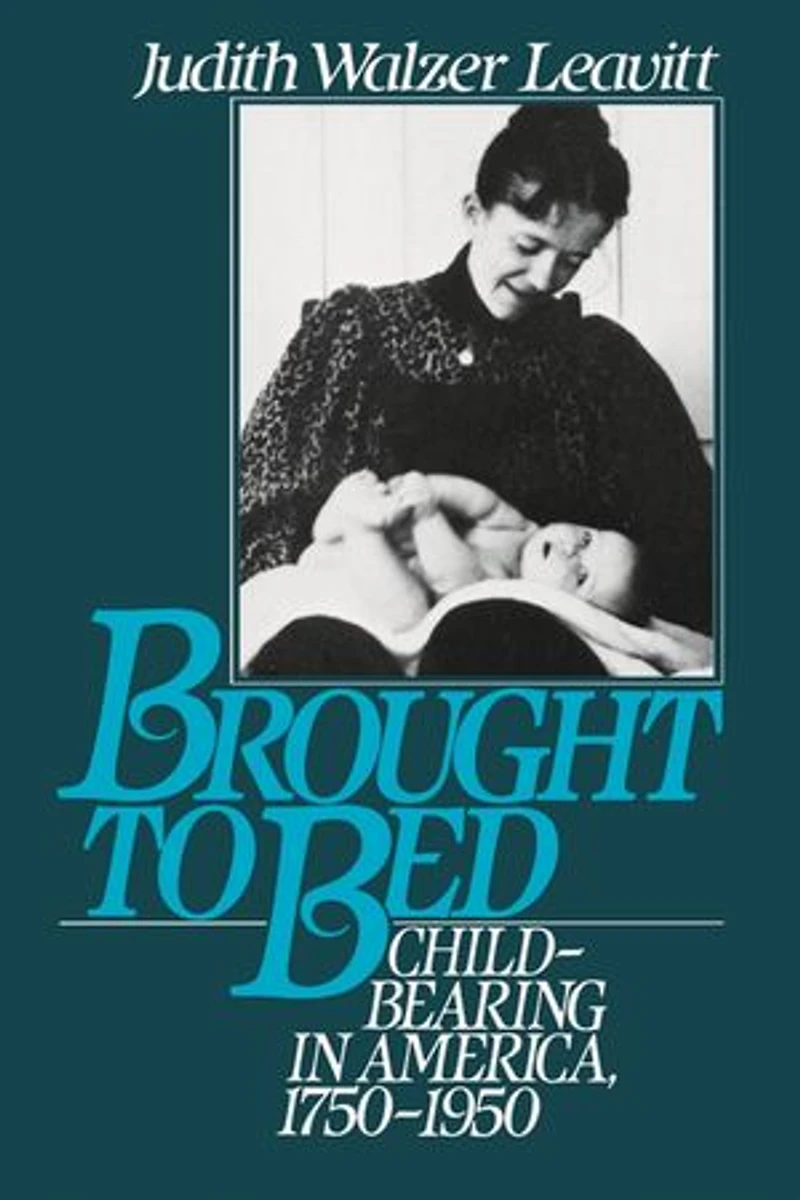

Brought to Bed: Childbearing America, 1750-1950 in Brampton, ON
Current price: $32.79
Original price: $40.99
Coles
Brought to Bed: Childbearing America, 1750-1950 in Brampton, ON
Current price: $32.79
Original price: $40.99
Loading Inventory...
Size: Kobo eBook
*Product information and pricing may vary - to confirm current pricing, availability, shipping, and return information please contact Coles. In the event of a pricing discrepancy, the retailer's price will apply.
Based on personal accounts by birthing women and their medical attendants, Brought to Bed reveals how childbirth has changed from colonial times to the present.
Judith Walzer Leavitt's study focuses on the traditional woman-centered home-birthing practices, their replacement by male doctors, and the movement from the home to the hospital. She explains that childbearing women and their physicians gradually changed birth places because they believed the increased medicalization would make giving birth safer and more comfortable. Ironically, because of infection, infant and maternal mortality did not immediately decline. She concludes that birthing women held considerable power in determining labor and delivery events as long as childbirth remained in the home. The move to the hospital in the twentieth century gave the medical profession the upper hand. Leavitt also discusses recent events in American obstetrics that illustrate how women have attempted to retrieve some of the traditional women--and family--centered aspects of childbirth.
Based on personal accounts by birthing women and their medical attendants, Brought to Bed reveals how childbirth has changed from colonial times to the present.
Judith Walzer Leavitt's study focuses on the traditional woman-centered home-birthing practices, their replacement by male doctors, and the movement from the home to the hospital. She explains that childbearing women and their physicians gradually changed birth places because they believed the increased medicalization would make giving birth safer and more comfortable. Ironically, because of infection, infant and maternal mortality did not immediately decline. She concludes that birthing women held considerable power in determining labor and delivery events as long as childbirth remained in the home. The move to the hospital in the twentieth century gave the medical profession the upper hand. Leavitt also discusses recent events in American obstetrics that illustrate how women have attempted to retrieve some of the traditional women--and family--centered aspects of childbirth.
You May Also Like


















Find at Bramalea City Centre in Brampton, ON
Visit at Bramalea City Centre in Brampton, ON