



Gifting Made Simple
Give the Gift of ChoiceClick below to purchase a Bramalea City Centre eGift Card that can be used at participating retailers at Bramalea City Centre.Purchase HereHome
Britain, the US and China's Anti-Soviet Stance Cold War: Containment Trade, 1977-1980
Coles
Loading Inventory...
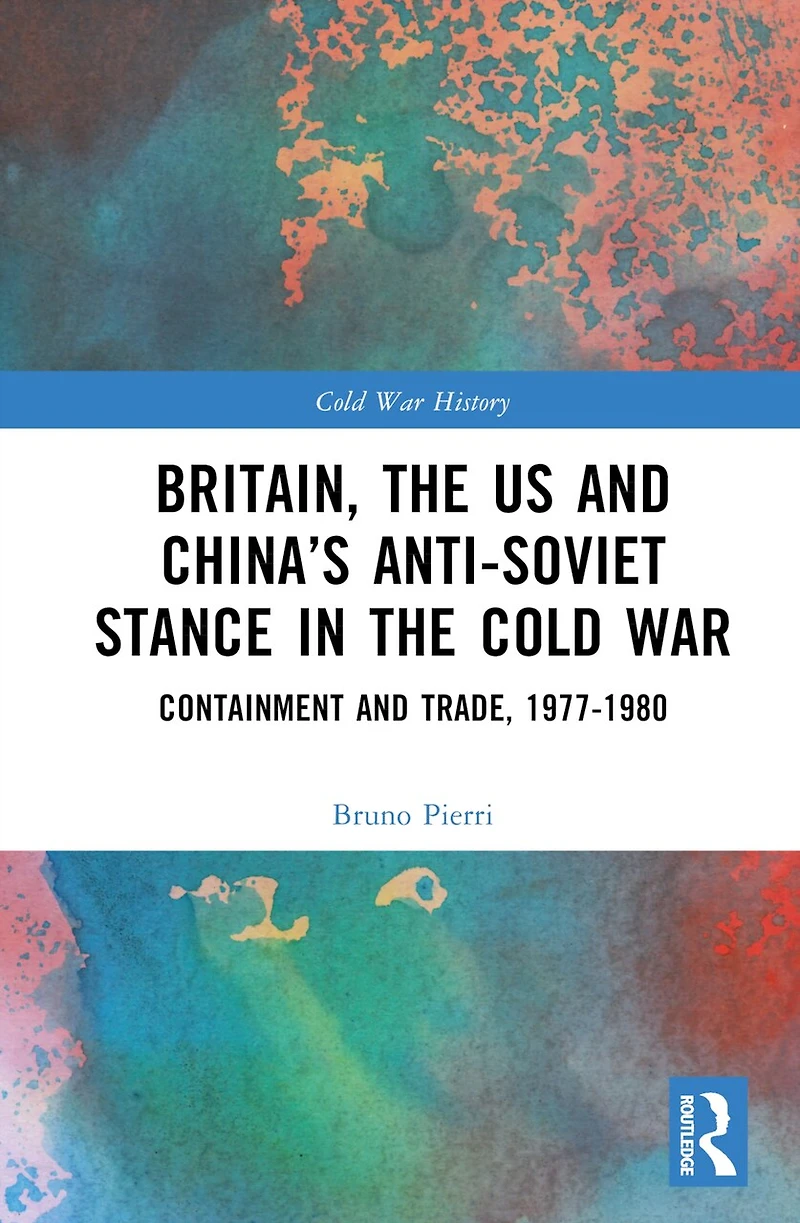
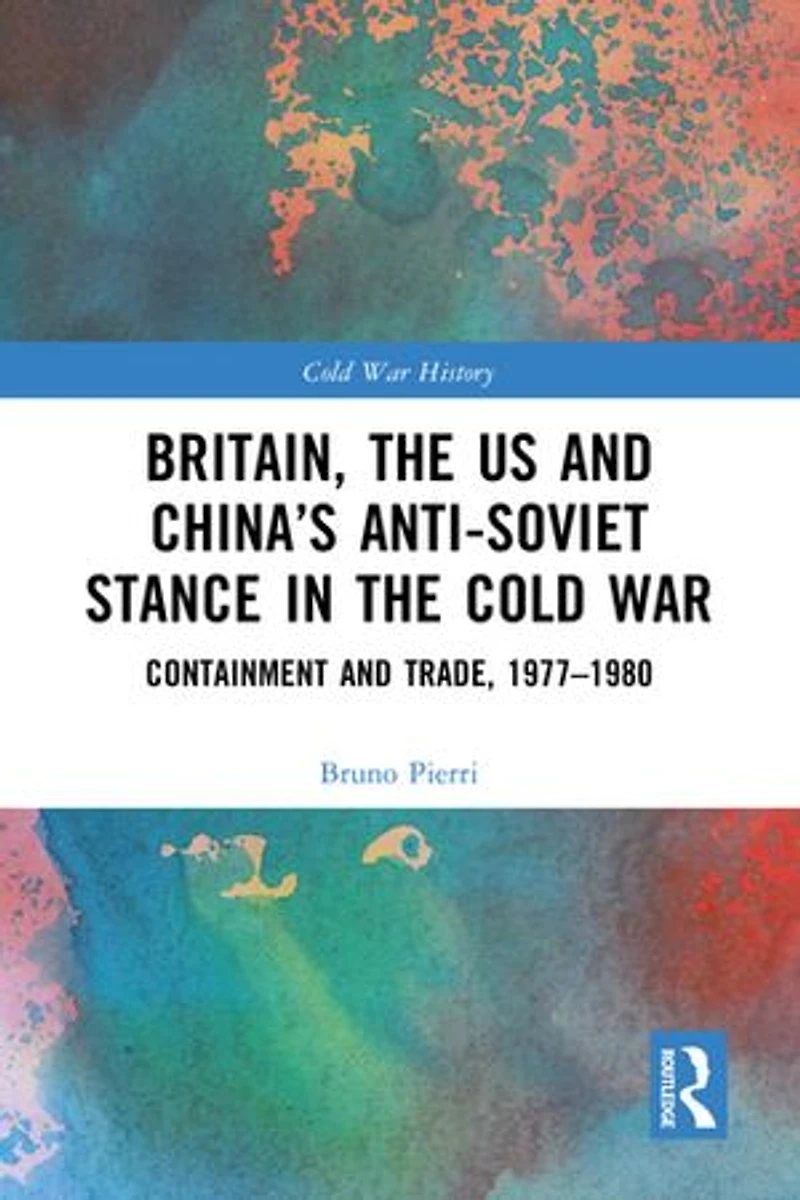
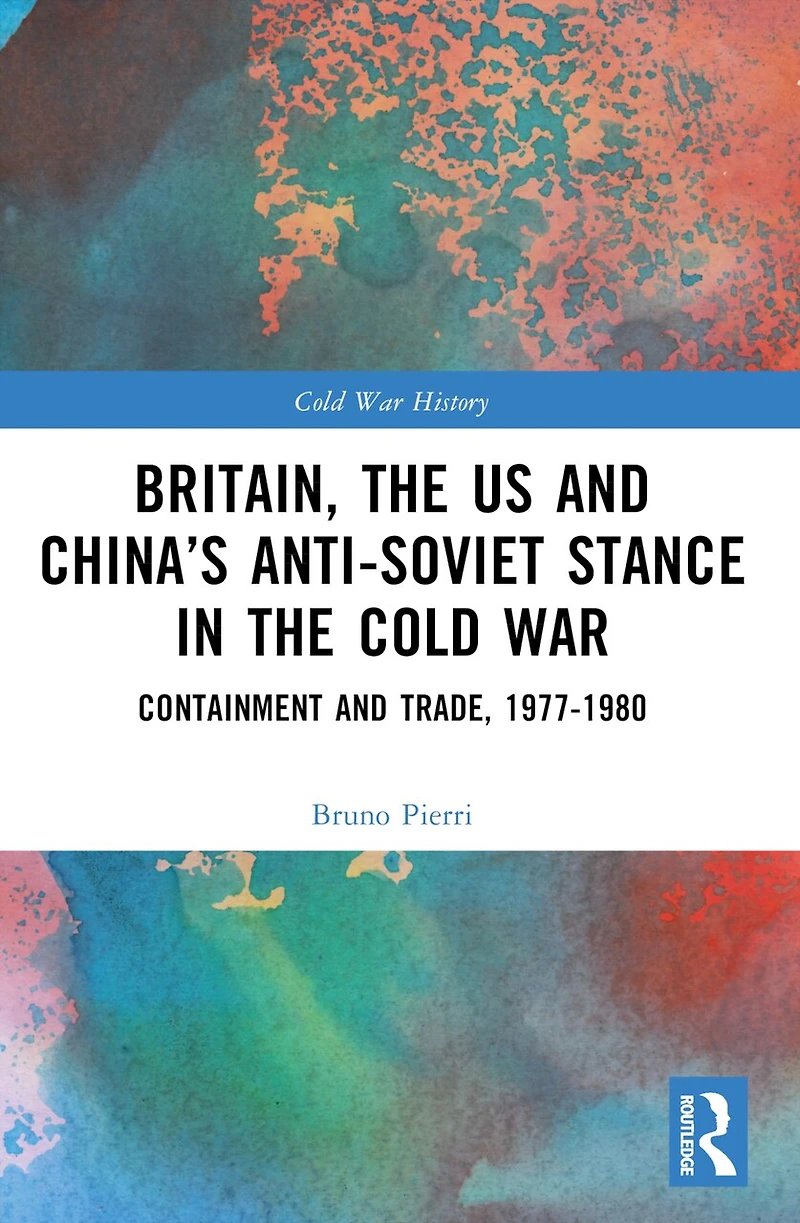
Britain, the US and China's Anti-Soviet Stance Cold War: Containment Trade, 1977-1980 in Brampton, ON
Current price: $296.50
Coles
Britain, the US and China's Anti-Soviet Stance Cold War: Containment Trade, 1977-1980 in Brampton, ON
Current price: $296.50
Loading Inventory...
Size: Hardcover
*Product information and pricing may vary - to confirm current pricing, availability, shipping, and return information please contact Coles. In the event of a pricing discrepancy, the retailer's price will apply.
This book shows how international trade was a key part of the classic Western policy of containment towards the Soviet Union in the Cold War in the late 1970s. Trade and containment may summarise the new relation that communist China moulded with the capitalistic West in the late 1970s. Ideology had become less important and a rapprochement between the PRC (People's Republic of China) and the Western powers over trade, with the purpose of isolating and weakening the common Russian rival, was practically unavoidable. Within a relatively short span of time the balance of power in the Indo-Pacific area had been reversed. Simply put, Beijing's market was too big to be ignored and the Atlantic allies collaborated, sometimes even competing with each other, to allow China access to the centres of world finance. However, the Western powers had not realised that Beijing would never pursue alignment with them. On the contrary, the increased trading and financial linkage with capitalistic countries gave China room to manoeuvre, enabling it to play the Western states off against each other. This book will be of much interest to students of Cold War Studies, Chinese history, foreign policy and international relations.
This book shows how international trade was a key part of the classic Western policy of containment towards the Soviet Union in the Cold War in the late 1970s. Trade and containment may summarise the new relation that communist China moulded with the capitalistic West in the late 1970s. Ideology had become less important and a rapprochement between the PRC (People's Republic of China) and the Western powers over trade, with the purpose of isolating and weakening the common Russian rival, was practically unavoidable. Within a relatively short span of time the balance of power in the Indo-Pacific area had been reversed. Simply put, Beijing's market was too big to be ignored and the Atlantic allies collaborated, sometimes even competing with each other, to allow China access to the centres of world finance. However, the Western powers had not realised that Beijing would never pursue alignment with them. On the contrary, the increased trading and financial linkage with capitalistic countries gave China room to manoeuvre, enabling it to play the Western states off against each other. This book will be of much interest to students of Cold War Studies, Chinese history, foreign policy and international relations.
You May Also Like
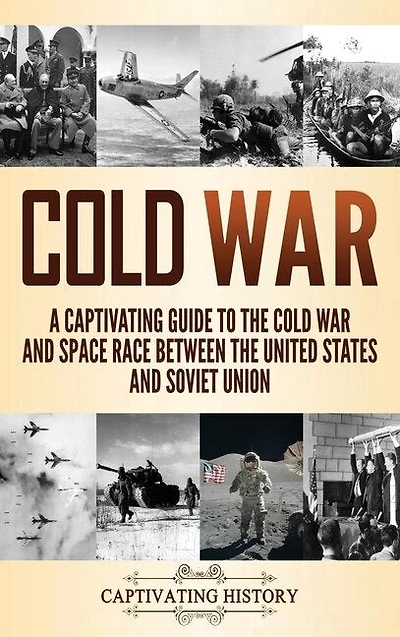









Find at Bramalea City Centre in Brampton, ON
Visit at Bramalea City Centre in Brampton, ON