



Gifting Made Simple
Give the Gift of ChoiceClick below to purchase a Bramalea City Centre eGift Card that can be used at participating retailers at Bramalea City Centre.Purchase HereHome
Brickyards to Graveyards: From Production to Genocide in Rwanda
Coles
Loading Inventory...
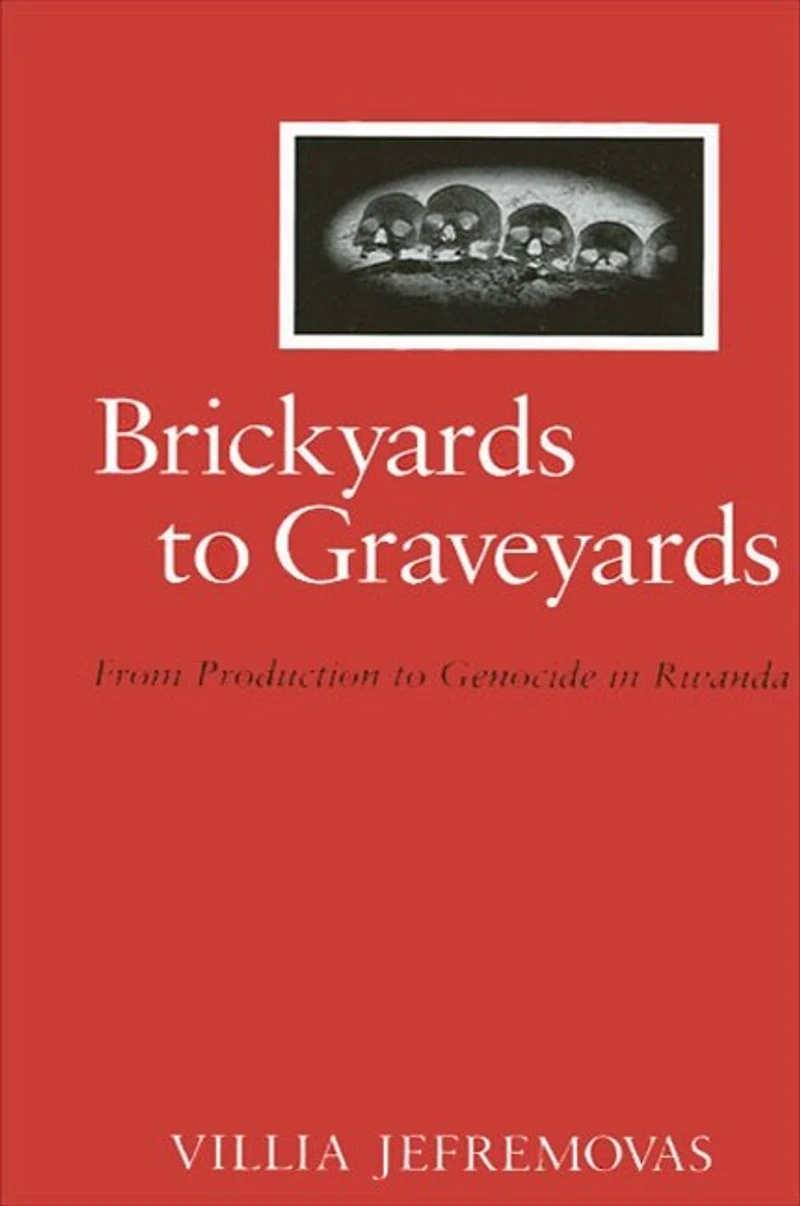
Brickyards to Graveyards: From Production to Genocide in Rwanda in Brampton, ON
Current price: $46.95
Coles
Brickyards to Graveyards: From Production to Genocide in Rwanda in Brampton, ON
Current price: $46.95
Loading Inventory...
Size: Paperback
*Product information and pricing may vary - to confirm current pricing, availability, shipping, and return information please contact Coles. In the event of a pricing discrepancy, the retailer's price will apply.
Explores how the conditions that shaped Rwanda's labor organization and industries also shaped Rwanda's genocide.
Brickyards to Graveyards examines how the overidealized picture of Rwanda as the darling of the world community in the 1980s was shattered amidst the genocide that occurred a decade later. The brick and tile industries of Rwanda provide a microcosm to examine the transformation of gender, class, and power relations through the precolonial, colonial, and postcolonial periods, and provide insights into the explosive impact of these changes on Rwandan culture and society. The book illustrates how these gender, class, and power relations played out in times of economic, political, and demographic crisis, and argues that these factors have not changed significantly since the Rwandan Patriotic Front took power in 1994.
Explores how the conditions that shaped Rwanda's labor organization and industries also shaped Rwanda's genocide.
Brickyards to Graveyards examines how the overidealized picture of Rwanda as the darling of the world community in the 1980s was shattered amidst the genocide that occurred a decade later. The brick and tile industries of Rwanda provide a microcosm to examine the transformation of gender, class, and power relations through the precolonial, colonial, and postcolonial periods, and provide insights into the explosive impact of these changes on Rwandan culture and society. The book illustrates how these gender, class, and power relations played out in times of economic, political, and demographic crisis, and argues that these factors have not changed significantly since the Rwandan Patriotic Front took power in 1994.
You May Also Like












Find at Bramalea City Centre in Brampton, ON
Visit at Bramalea City Centre in Brampton, ON