



Gifting Made Simple
Give the Gift of ChoiceClick below to purchase a Bramalea City Centre eGift Card that can be used at participating retailers at Bramalea City Centre.Purchase HereHome
Brazil's International Status and Recognition as an Emerging Power: Inconsistencies Complexities
Coles
Loading Inventory...
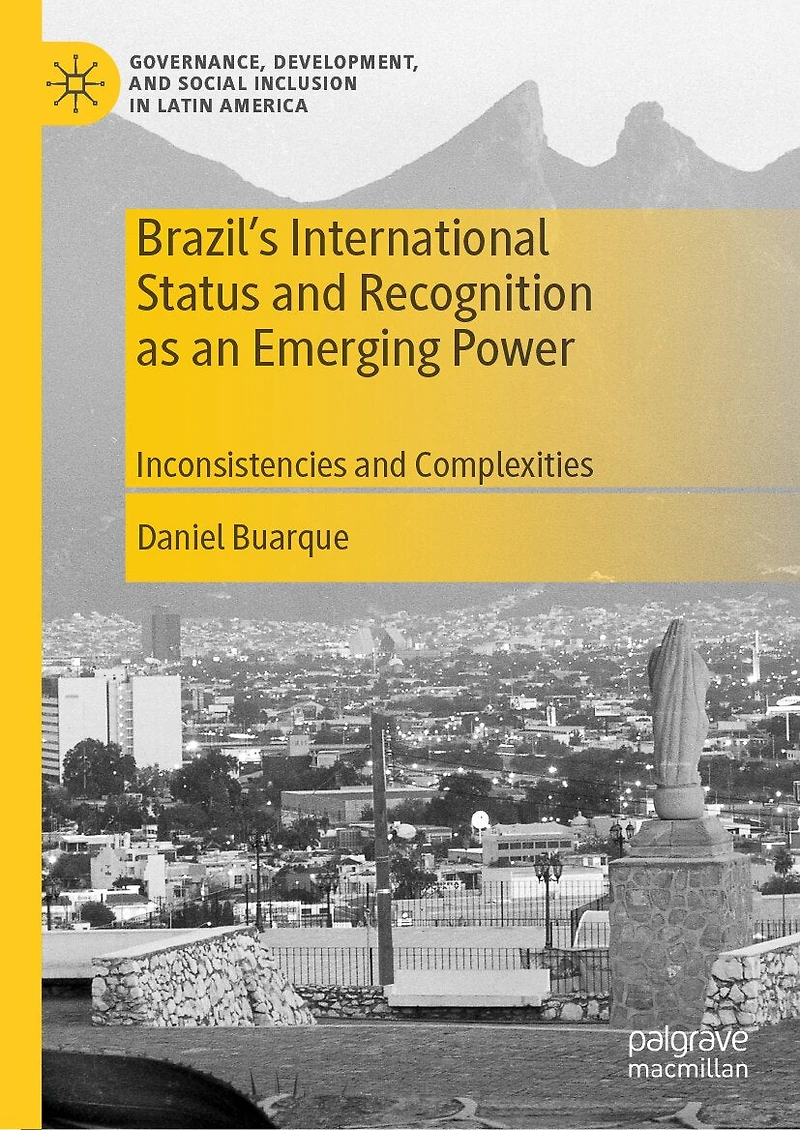
Brazil's International Status and Recognition as an Emerging Power: Inconsistencies Complexities in Brampton, ON
Current price: $204.50
Coles
Brazil's International Status and Recognition as an Emerging Power: Inconsistencies Complexities in Brampton, ON
Current price: $204.50
Loading Inventory...
Size: Hardcover
*Product information and pricing may vary - to confirm current pricing, availability, shipping, and return information please contact Coles. In the event of a pricing discrepancy, the retailer's price will apply.
This book focusses on the intersubjective character of status in order to understand the degree to which Brazil has been able to achieve an increase in its global status. Buarque compares the long-standing ambitions of Brazilian foreign policy elites with external perspectives of observers in states with greater international status who would need to recognize Brazil as a great power and a state increasing in international prestige. Buarque develops a multidisciplinary approach influenced by sociology and psychology scholarship and gives special attention to the importance of recognition whilst drawing on international relations scholarship focussed on prestige, identity, roles and ontological security. In so doing, the book argues for the difference between the status and role Brazil aspires to have in the world and the external beliefs about the level of prestige of the state, amounting to status inconsistency and anxiety leading to ontological insecurity. It proposes that powerful states perceive Brazil as a coveted pawn in international politics and outlines a typology of what states that aspire to have more prestige need to do to achieve recognition for higher status.
This book focusses on the intersubjective character of status in order to understand the degree to which Brazil has been able to achieve an increase in its global status. Buarque compares the long-standing ambitions of Brazilian foreign policy elites with external perspectives of observers in states with greater international status who would need to recognize Brazil as a great power and a state increasing in international prestige. Buarque develops a multidisciplinary approach influenced by sociology and psychology scholarship and gives special attention to the importance of recognition whilst drawing on international relations scholarship focussed on prestige, identity, roles and ontological security. In so doing, the book argues for the difference between the status and role Brazil aspires to have in the world and the external beliefs about the level of prestige of the state, amounting to status inconsistency and anxiety leading to ontological insecurity. It proposes that powerful states perceive Brazil as a coveted pawn in international politics and outlines a typology of what states that aspire to have more prestige need to do to achieve recognition for higher status.
You May Also Like










Find at Bramalea City Centre in Brampton, ON
Visit at Bramalea City Centre in Brampton, ON