



Gifting Made Simple
Give the Gift of ChoiceClick below to purchase a Bramalea City Centre eGift Card that can be used at participating retailers at Bramalea City Centre.Purchase HereHome
Brazil-Japan Cooperation: From Complementarity to Shared Value
Coles
Loading Inventory...
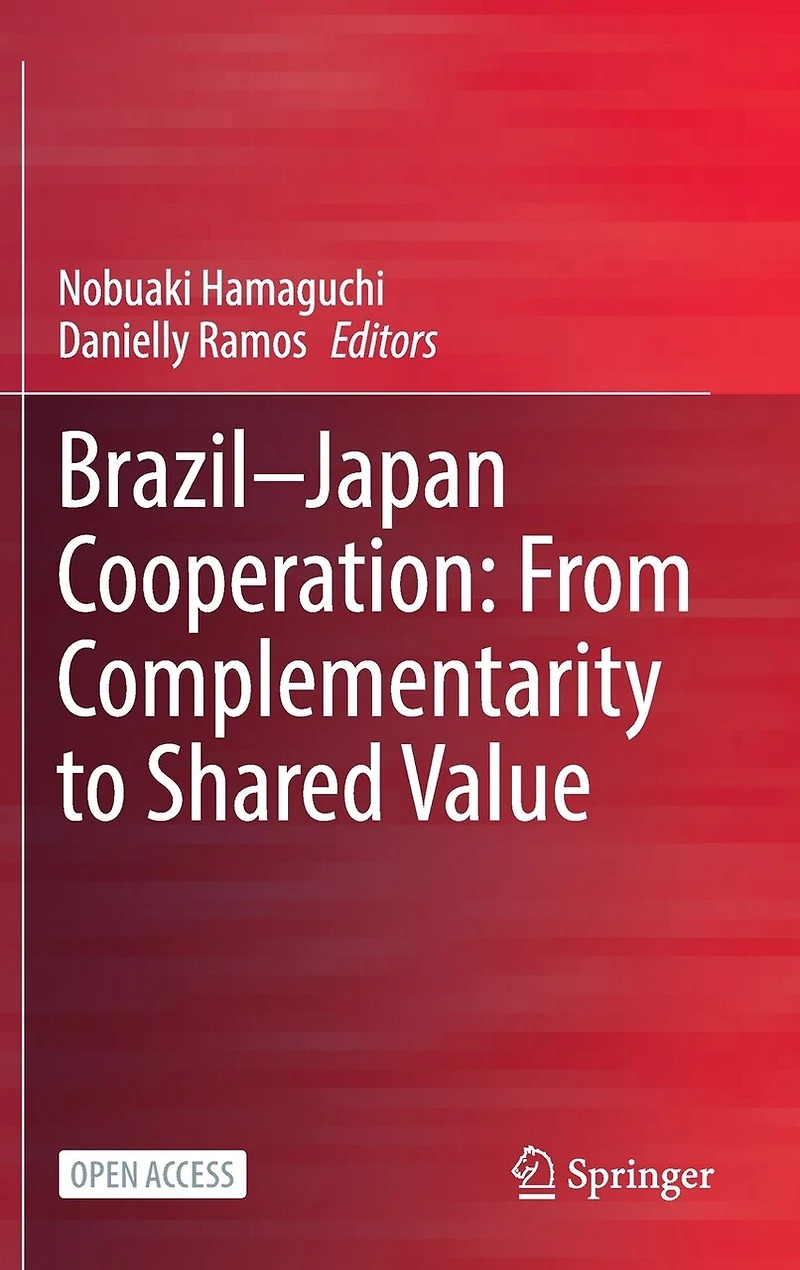
Brazil-Japan Cooperation: From Complementarity to Shared Value in Brampton, ON
Current price: $87.95
Coles
Brazil-Japan Cooperation: From Complementarity to Shared Value in Brampton, ON
Current price: $87.95
Loading Inventory...
Size: Hardcover
*Product information and pricing may vary - to confirm current pricing, availability, shipping, and return information please contact Coles. In the event of a pricing discrepancy, the retailer's price will apply.
This is an open access book. Relations between Brazil and Japan progressed dynamically in the 1960s and 1970s, centering on the substantial complementarity between Japan's needing primary goods to sustain high economic growth and Brazil's seeking non-hegemonic investment to invigorate its resource potential. Now that this complementarity has lost significance, the two countries are restructuring their relations to protect shared values of democracy, freedom, the rule of law, and the need for maintaining good relations with both China and the United States. Analyzed here is the development of this renewed bilateral relationship in multiple directions: productivity, global environment and health, migration, and triangular cooperation in third countries' development. Facing the prospect of a declining population, Japan may become more open to international migration, but the experience with Japanese-descent Brazilian workers since the amendment of the migration control law in 1990 presents many lessons and challenges for the symbiosis of multicultural groups. Brazil, for its part, needs to address social inequality. To this end, it is fundamental to improve the quality of work. This book argues that Brazil and Japan can benefit from cooperation in managing those country-specific issues. It also discusses ways that Brazil and Japan can profit from coordinating action on global problems such as greenhouse gas reduction, mitigation of tropical diseases, healthy community building, and high-quality infrastructure for poverty reduction.
This is an open access book. Relations between Brazil and Japan progressed dynamically in the 1960s and 1970s, centering on the substantial complementarity between Japan's needing primary goods to sustain high economic growth and Brazil's seeking non-hegemonic investment to invigorate its resource potential. Now that this complementarity has lost significance, the two countries are restructuring their relations to protect shared values of democracy, freedom, the rule of law, and the need for maintaining good relations with both China and the United States. Analyzed here is the development of this renewed bilateral relationship in multiple directions: productivity, global environment and health, migration, and triangular cooperation in third countries' development. Facing the prospect of a declining population, Japan may become more open to international migration, but the experience with Japanese-descent Brazilian workers since the amendment of the migration control law in 1990 presents many lessons and challenges for the symbiosis of multicultural groups. Brazil, for its part, needs to address social inequality. To this end, it is fundamental to improve the quality of work. This book argues that Brazil and Japan can benefit from cooperation in managing those country-specific issues. It also discusses ways that Brazil and Japan can profit from coordinating action on global problems such as greenhouse gas reduction, mitigation of tropical diseases, healthy community building, and high-quality infrastructure for poverty reduction.
You May Also Like















Find at Bramalea City Centre in Brampton, ON
Visit at Bramalea City Centre in Brampton, ON