



Gifting Made Simple
Give the Gift of ChoiceClick below to purchase a Bramalea City Centre eGift Card that can be used at participating retailers at Bramalea City Centre.Purchase HereHome
Boundaries of the Text: Epic Performances in South and Southeast Asia
Coles
Loading Inventory...
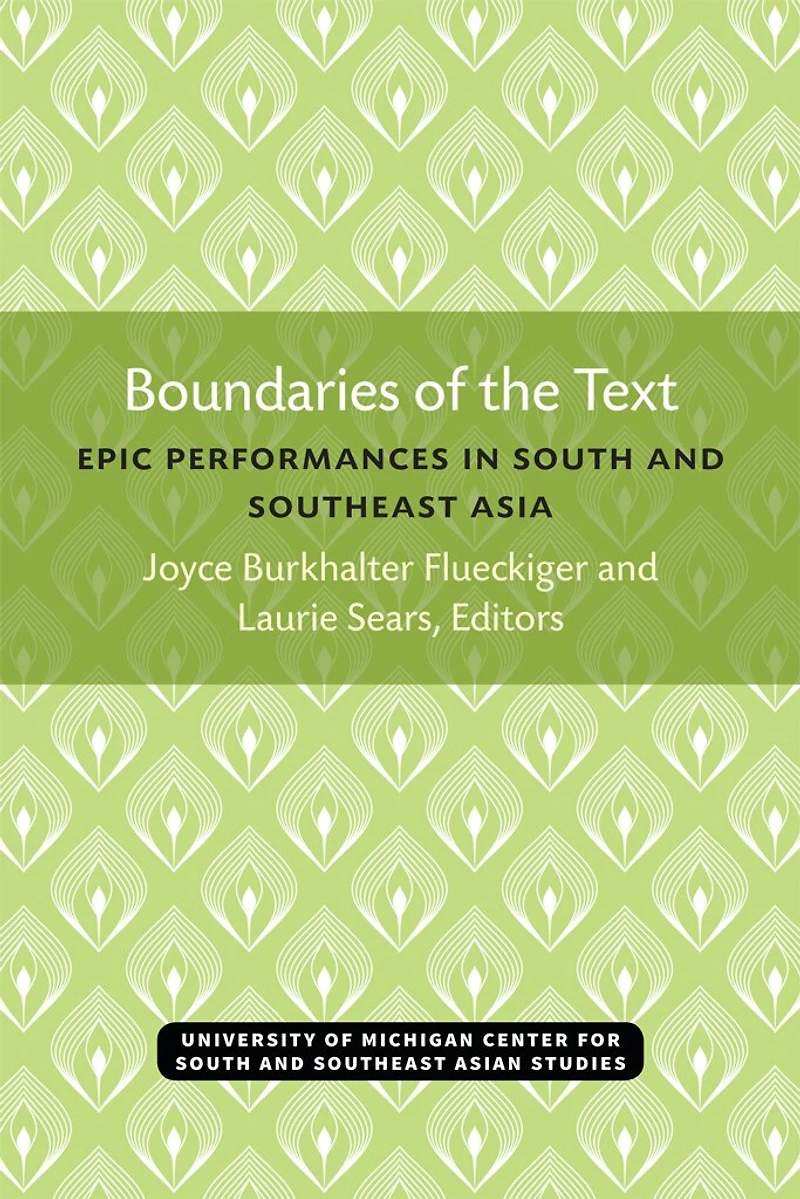
Boundaries of the Text: Epic Performances in South and Southeast Asia in Brampton, ON
Current price: $21.97
Coles
Boundaries of the Text: Epic Performances in South and Southeast Asia in Brampton, ON
Current price: $21.97
Loading Inventory...
Size: Paperback
*Product information and pricing may vary - to confirm current pricing, availability, shipping, and return information please contact Coles. In the event of a pricing discrepancy, the retailer's price will apply.
When the Mahabharata and Ramayana are performed in South and Southeast Asia, audiences may witness a variety of styles. A single performer may deliver a two-hour recitation, women may meet in informal singing groups, shaddow puppets may host an all-night play, or professional theaters may put on productions lasting thirty nights. Performances often celebrate ritual passages: births, deaths, marriages, and religious observances. The stories live and are transmitted through performance; their characters are well known and well loved. Yet written versions of the Mahabharata and Ramayana have existed in both South and Southeast Asia for hundreds of years. Rarely have these texts been intended for private reading. What is the relationship between written text and oral performance? What do performers and audiences mean when they identify something as “Ramayana” or “Mahabharata”? How do they conceive of texts? What are the boundaries of the texts? By analyzing specific performance traditions, Boundaries of the Text addresses questions of what happens to written texts when they are preformed and how performance traditions are affected when they interact with written texts. The dynamics of this interaction are of particular interest in South and Southeast Asia where oral performance and written traditions share a long, interwoven history. The contributors to Boundaries of the Text show the difficulty of maintaining sharp distinctions between oral and written patterns, as the traditions they consider defy a unidirectional movement from oral to written. The boundaries of epic traditions are in a state of flux, contracting or expanding as South and Southeast Asian societies respond to increasing access to modern education, print technology, and electronic media.
When the Mahabharata and Ramayana are performed in South and Southeast Asia, audiences may witness a variety of styles. A single performer may deliver a two-hour recitation, women may meet in informal singing groups, shaddow puppets may host an all-night play, or professional theaters may put on productions lasting thirty nights. Performances often celebrate ritual passages: births, deaths, marriages, and religious observances. The stories live and are transmitted through performance; their characters are well known and well loved. Yet written versions of the Mahabharata and Ramayana have existed in both South and Southeast Asia for hundreds of years. Rarely have these texts been intended for private reading. What is the relationship between written text and oral performance? What do performers and audiences mean when they identify something as “Ramayana” or “Mahabharata”? How do they conceive of texts? What are the boundaries of the texts? By analyzing specific performance traditions, Boundaries of the Text addresses questions of what happens to written texts when they are preformed and how performance traditions are affected when they interact with written texts. The dynamics of this interaction are of particular interest in South and Southeast Asia where oral performance and written traditions share a long, interwoven history. The contributors to Boundaries of the Text show the difficulty of maintaining sharp distinctions between oral and written patterns, as the traditions they consider defy a unidirectional movement from oral to written. The boundaries of epic traditions are in a state of flux, contracting or expanding as South and Southeast Asian societies respond to increasing access to modern education, print technology, and electronic media.
You May Also Like











Find at Bramalea City Centre in Brampton, ON
Visit at Bramalea City Centre in Brampton, ON