



Gifting Made Simple
Give the Gift of ChoiceClick below to purchase a Bramalea City Centre eGift Card that can be used at participating retailers at Bramalea City Centre.Purchase HereHome
Border Bloodshed: Scotland and England at War, 1369-1403
Coles
Loading Inventory...
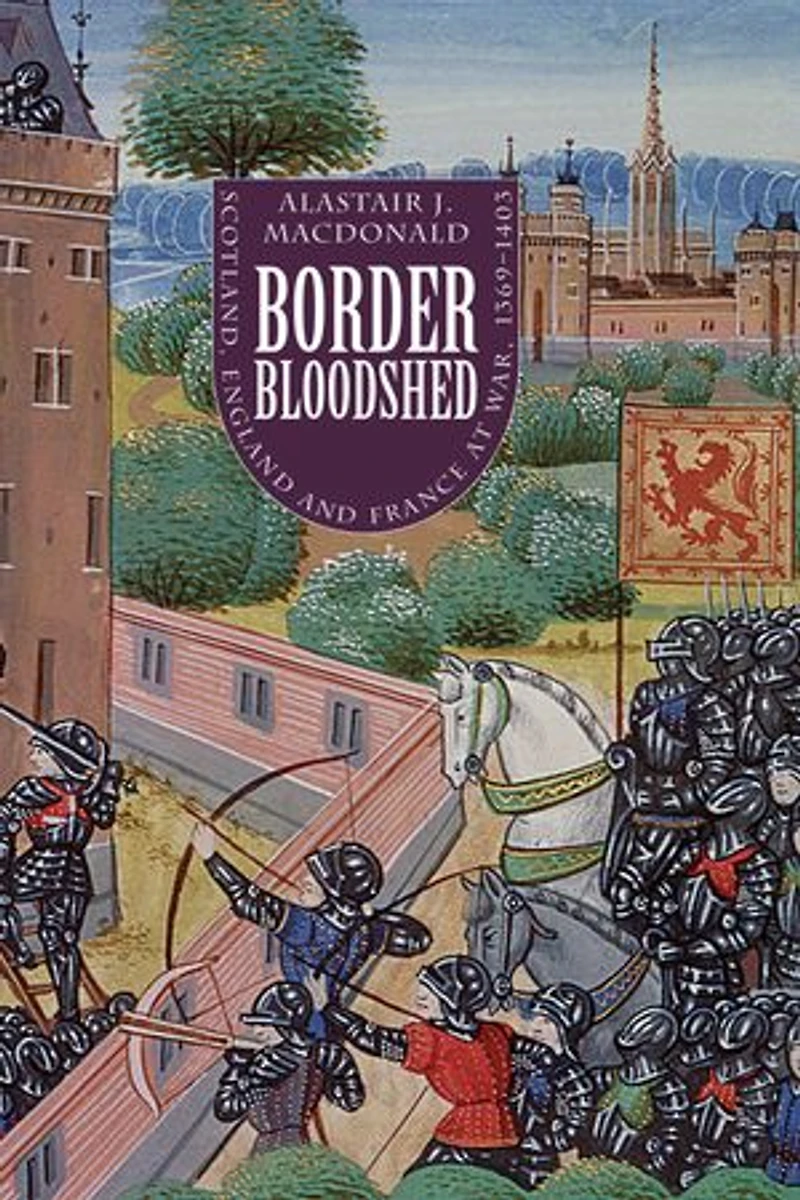
Border Bloodshed: Scotland and England at War, 1369-1403 in Brampton, ON
Current price: $20.39
Original price: $25.48
Coles
Border Bloodshed: Scotland and England at War, 1369-1403 in Brampton, ON
Current price: $20.39
Original price: $25.48
Loading Inventory...
Size: Kobo eBook
*Product information and pricing may vary - to confirm current pricing, availability, shipping, and return information please contact Coles. In the event of a pricing discrepancy, the retailer's price will apply.
Scottish military offensives against England from 1369 were largely the product of government policy, were launched with careful timing and, in the reign of Robert II, involved close co-operation with France. They succeeded militarily, encouraging the Scots to the point where they were willing to engage in attacks on England beyond the ambition of their French allies. However, diplomatic gains fell well short of forcing English recognition of Scottish independence.
Hopes of achieving this by military means were ended in the reign of Robert III when the Scots were heavily defeated in 1402. War was not solely fought with political objectives in mind or other 'rational' factors such as the quest for financial gain. The Scots went to war for emotive reasons too, such as hatred of the English, the search for renown and the sheer enjoyment of fighting. All these factors inspired the Scots to launch a series of bloody, brutal and ultimately futile offensives against England.
Scottish military offensives against England from 1369 were largely the product of government policy, were launched with careful timing and, in the reign of Robert II, involved close co-operation with France. They succeeded militarily, encouraging the Scots to the point where they were willing to engage in attacks on England beyond the ambition of their French allies. However, diplomatic gains fell well short of forcing English recognition of Scottish independence.
Hopes of achieving this by military means were ended in the reign of Robert III when the Scots were heavily defeated in 1402. War was not solely fought with political objectives in mind or other 'rational' factors such as the quest for financial gain. The Scots went to war for emotive reasons too, such as hatred of the English, the search for renown and the sheer enjoyment of fighting. All these factors inspired the Scots to launch a series of bloody, brutal and ultimately futile offensives against England.
You May Also Like















Find at Bramalea City Centre in Brampton, ON
Visit at Bramalea City Centre in Brampton, ON