



Gifting Made Simple
Give the Gift of ChoiceClick below to purchase a Bramalea City Centre eGift Card that can be used at participating retailers at Bramalea City Centre.Purchase HereHome
Body High: Death, Drugs, and Eva Hesse
Coles
Loading Inventory...


Body High: Death, Drugs, and Eva Hesse in Brampton, ON
Current price: $9.89
Original price: $11.99
Coles
Body High: Death, Drugs, and Eva Hesse in Brampton, ON
Current price: $9.89
Original price: $11.99
Loading Inventory...
Size: Kobo eBook
*Product information and pricing may vary - to confirm current pricing, availability, shipping, and return information please contact Coles. In the event of a pricing discrepancy, the retailer's price will apply.
How do we medicate ourselves, and why can’t we cure the people we love? In Body High , encounters with lurid bodily sculptures from the '60s offer remedies to the author’s own illness and malaise.
In Body High , the introduction to lurid sculptural practices from the 1960s and the author’s own experience in proximity to opiate use will be used to offer a surreal and unsettling, yet seductive landscape where wider universal themes are explored: How do we medicate ourselves, and why can’t we cure the people we love?
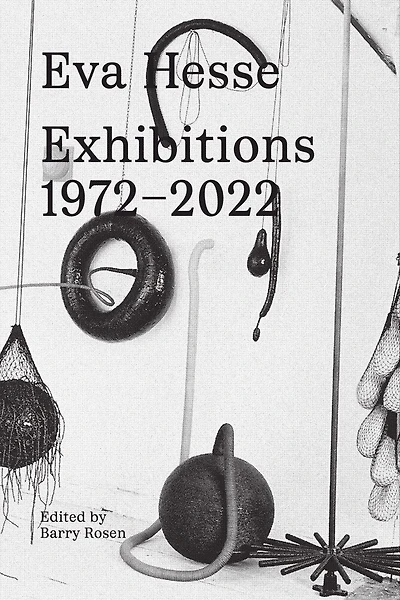
Dripping latex and collapsed rubber tubes were among the provocative materials that signaled an aesthetic turn in European and American sculptural practices starting in the late 1960s. Objects became corporeal: they responded to gravity in ways suggestive of exhaustion, offered sensual form, and confronted viewers with the ephemeral realities of our bodies through viscosity and deterioration.
This book analyses the objects by women within that movement, which explored maternity and mortality to capture the body under or after medical care. It argues that in these works, art-making served as a therapeutic strategy to re-claim bodies being manipulated at molecular levels.
How do we medicate ourselves, and why can’t we cure the people we love? In Body High , encounters with lurid bodily sculptures from the '60s offer remedies to the author’s own illness and malaise.
In Body High , the introduction to lurid sculptural practices from the 1960s and the author’s own experience in proximity to opiate use will be used to offer a surreal and unsettling, yet seductive landscape where wider universal themes are explored: How do we medicate ourselves, and why can’t we cure the people we love?
Dripping latex and collapsed rubber tubes were among the provocative materials that signaled an aesthetic turn in European and American sculptural practices starting in the late 1960s. Objects became corporeal: they responded to gravity in ways suggestive of exhaustion, offered sensual form, and confronted viewers with the ephemeral realities of our bodies through viscosity and deterioration.
This book analyses the objects by women within that movement, which explored maternity and mortality to capture the body under or after medical care. It argues that in these works, art-making served as a therapeutic strategy to re-claim bodies being manipulated at molecular levels.
You May Also Like

















Find at Bramalea City Centre in Brampton, ON
Visit at Bramalea City Centre in Brampton, ON