



Gifting Made Simple
Give the Gift of ChoiceClick below to purchase a Bramalea City Centre eGift Card that can be used at participating retailers at Bramalea City Centre.Purchase HereHome
Blueprint for Disaster: The Unraveling of Chicago Public Housing
Coles
Loading Inventory...
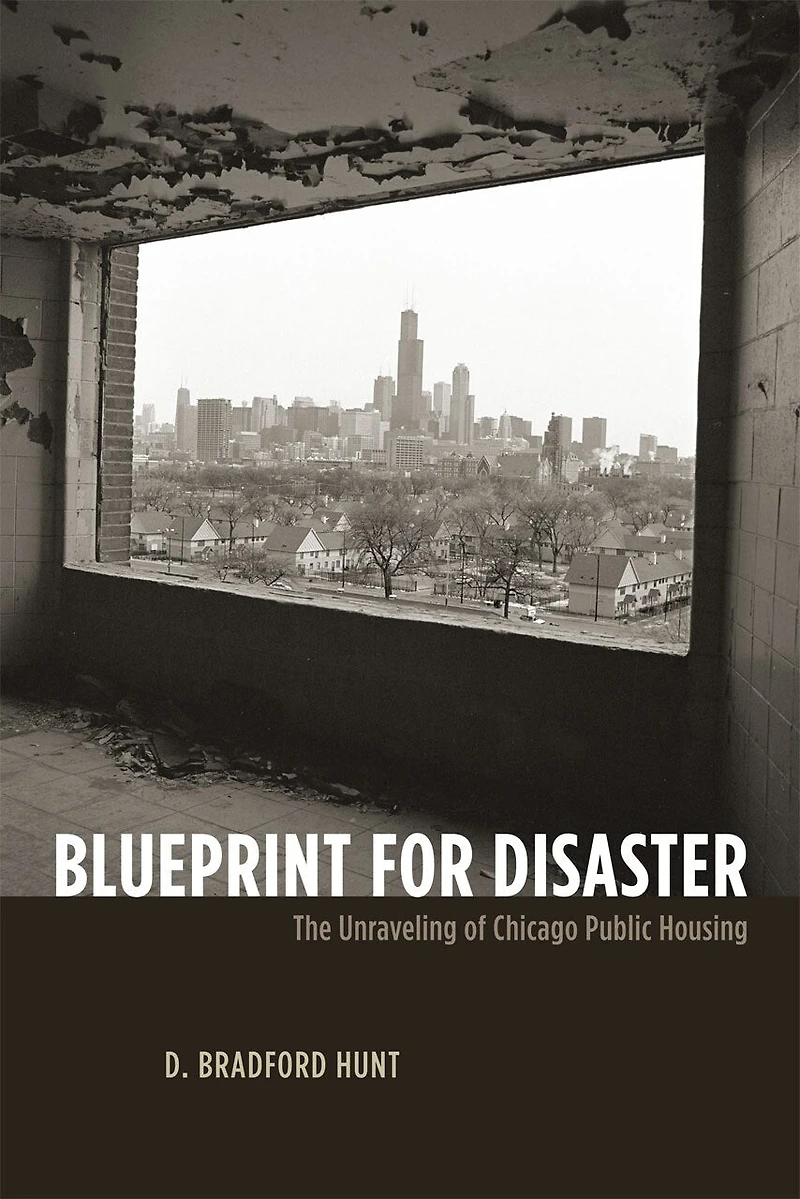
Blueprint for Disaster: The Unraveling of Chicago Public Housing in Brampton, ON
Current price: $41.95
Coles
Blueprint for Disaster: The Unraveling of Chicago Public Housing in Brampton, ON
Current price: $41.95
Loading Inventory...
Size: Paperback
*Product information and pricing may vary - to confirm current pricing, availability, shipping, and return information please contact Coles. In the event of a pricing discrepancy, the retailer's price will apply.
Blueprint for Disaster traces public housing’s history in Chicago from its New Deal roots through current mayor Richard M. Daley’s Plan for Transformation. In the process, D. Bradford Hunt chronicles the Chicago Housing Authority’s own transformation from the city’s most progressive government agency to its largest slumlord. Challenging explanations that attribute the projects’ decline primarily to racial discrimination and real estate interests, Hunt argues that well-intentioned but misguided policy decisions—ranging from design choices to maintenance contracts—also paved the road to failure. Moreover, administrators who fully understood the potential drawbacks did not try to halt such deeply flawed projects as Cabrini-Green and the Robert Taylor Homes. The resulting combination of fiscal crisis, managerial incompetence, and social unrest plunged the CHA into a quagmire from which it is still struggling to emerge. Blueprint for Disaster , then, is an urgent reminder of the havoc poorly conceived policy can wreak on our most vulnerable citizens.
Blueprint for Disaster traces public housing’s history in Chicago from its New Deal roots through current mayor Richard M. Daley’s Plan for Transformation. In the process, D. Bradford Hunt chronicles the Chicago Housing Authority’s own transformation from the city’s most progressive government agency to its largest slumlord. Challenging explanations that attribute the projects’ decline primarily to racial discrimination and real estate interests, Hunt argues that well-intentioned but misguided policy decisions—ranging from design choices to maintenance contracts—also paved the road to failure. Moreover, administrators who fully understood the potential drawbacks did not try to halt such deeply flawed projects as Cabrini-Green and the Robert Taylor Homes. The resulting combination of fiscal crisis, managerial incompetence, and social unrest plunged the CHA into a quagmire from which it is still struggling to emerge. Blueprint for Disaster , then, is an urgent reminder of the havoc poorly conceived policy can wreak on our most vulnerable citizens.
You May Also Like












Find at Bramalea City Centre in Brampton, ON
Visit at Bramalea City Centre in Brampton, ON