



Gifting Made Simple
Give the Gift of ChoiceClick below to purchase a Bramalea City Centre eGift Card that can be used at participating retailers at Bramalea City Centre.Purchase HereHome
Bioethics, Public Reason, and Religion: The Liberalism Problem
Coles
Loading Inventory...
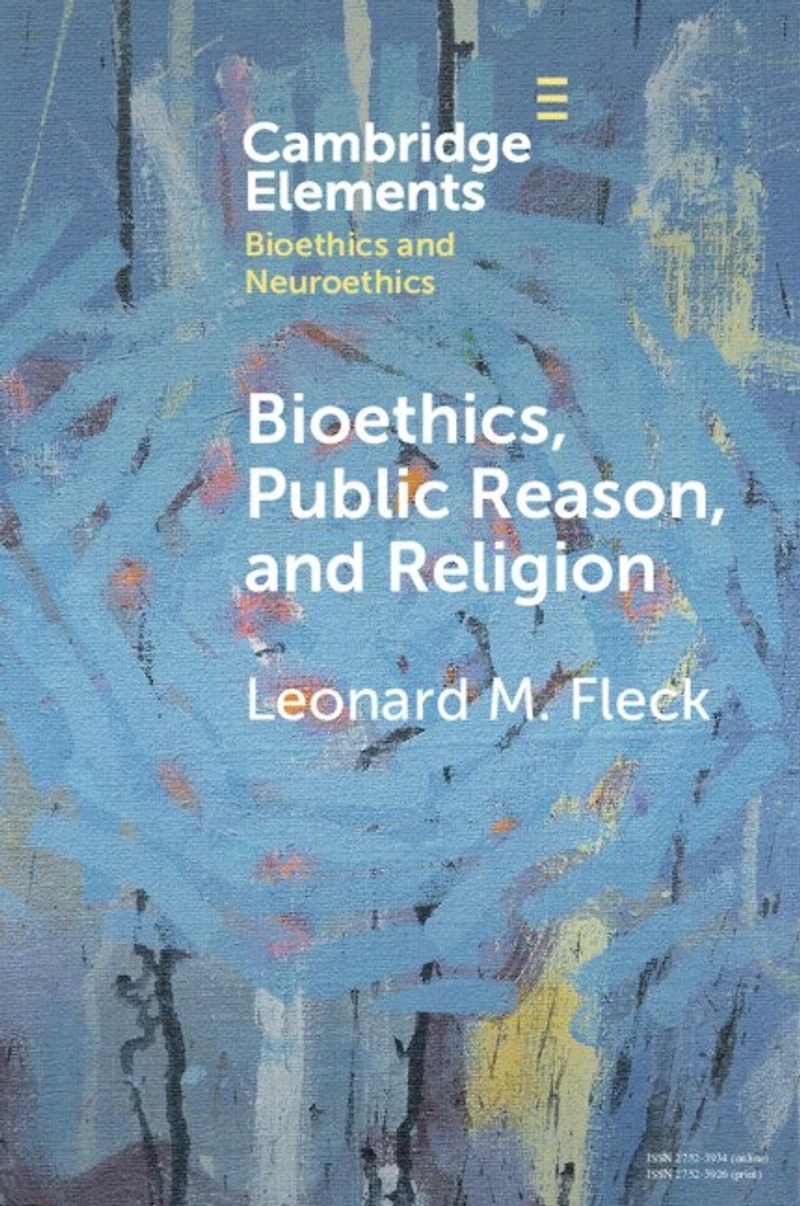
Bioethics, Public Reason, and Religion: The Liberalism Problem in Brampton, ON
Current price: $29.54
Coles
Bioethics, Public Reason, and Religion: The Liberalism Problem in Brampton, ON
Current price: $29.54
Loading Inventory...
Size: Paperback
*Product information and pricing may vary - to confirm current pricing, availability, shipping, and return information please contact Coles. In the event of a pricing discrepancy, the retailer's price will apply.
Can religious arguments provide a reasonable, justified basis for restrictive (coercive) public policies regarding numerous ethically and politically controversial medical interventions, such as research with human embryos, pre-implantation genetic diagnosis, or using artificial wombs? With Rawls, we answer negatively. Liberally reasonable policies must address these controversial technologies on the basis of public reasons accessible to all, even if not fully agreeable by all. Further, public democratic deliberation requires participants to construct these policies as citizens who are agnostic with respect to the truth of all comprehensive doctrines, whether secular or religious. The goal of these deliberations is practical, namely, to identify reasonable policy options that reflect fair terms of cooperation in a liberal, pluralistic society. Further, religious advocates may participate in formal policymaking processes as reasonable liberal citizens. Finally, public reason evolves through the deliberative process and all the novel technological challenges medicine generates for bioethics and related public policies.
Can religious arguments provide a reasonable, justified basis for restrictive (coercive) public policies regarding numerous ethically and politically controversial medical interventions, such as research with human embryos, pre-implantation genetic diagnosis, or using artificial wombs? With Rawls, we answer negatively. Liberally reasonable policies must address these controversial technologies on the basis of public reasons accessible to all, even if not fully agreeable by all. Further, public democratic deliberation requires participants to construct these policies as citizens who are agnostic with respect to the truth of all comprehensive doctrines, whether secular or religious. The goal of these deliberations is practical, namely, to identify reasonable policy options that reflect fair terms of cooperation in a liberal, pluralistic society. Further, religious advocates may participate in formal policymaking processes as reasonable liberal citizens. Finally, public reason evolves through the deliberative process and all the novel technological challenges medicine generates for bioethics and related public policies.
You May Also Like

















Find at Bramalea City Centre in Brampton, ON
Visit at Bramalea City Centre in Brampton, ON