



Gifting Made Simple
Give the Gift of ChoiceClick below to purchase a Bramalea City Centre eGift Card that can be used at participating retailers at Bramalea City Centre.Purchase HereHome
Bilingual Development in Childhood
Coles
Loading Inventory...
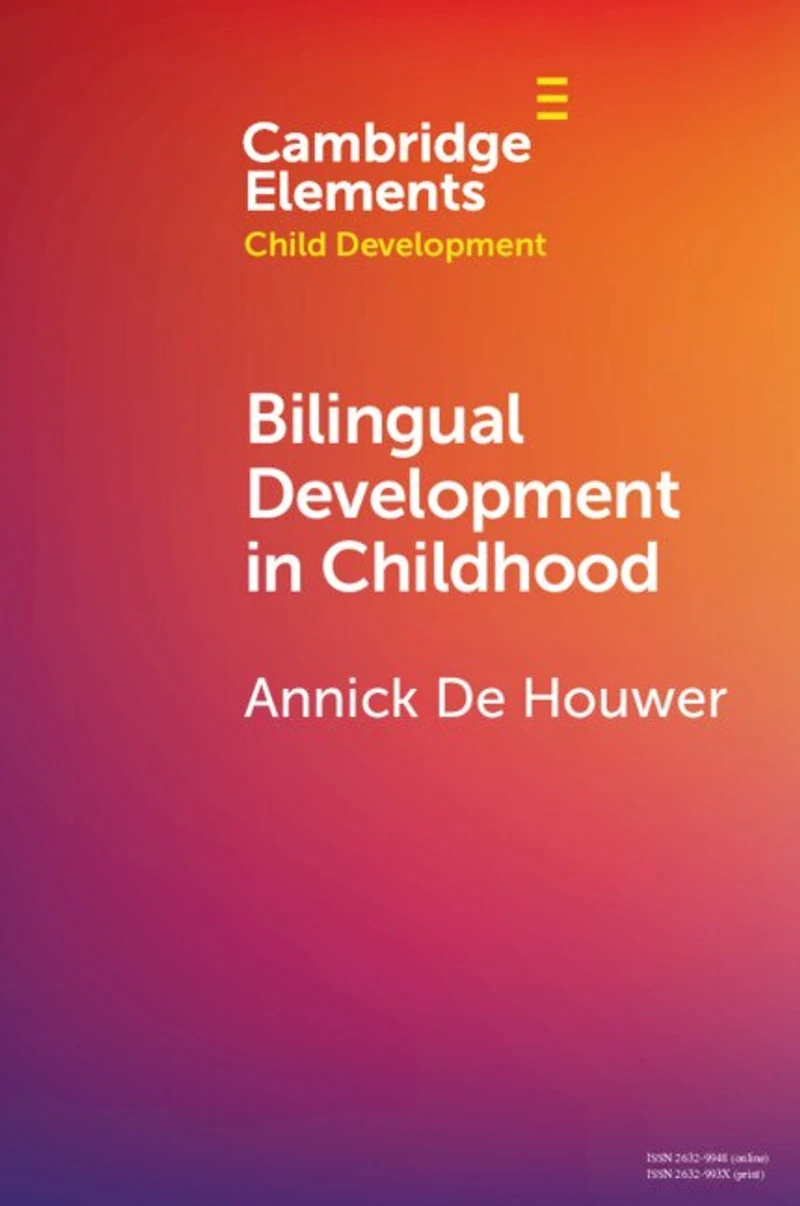
Bilingual Development in Childhood in Brampton, ON
Current price: $29.54
Coles
Bilingual Development in Childhood in Brampton, ON
Current price: $29.54
Loading Inventory...
Size: Paperback
*Product information and pricing may vary - to confirm current pricing, availability, shipping, and return information please contact Coles. In the event of a pricing discrepancy, the retailer's price will apply.
In the first decade of life, children become bilingual in different language learning environments. Many children start learning two languages from birth (Bilingual First Language Acquisition). In early childhood hitherto monolingual children start hearing a second language through daycare or preschool (Early Second Language Acquisition). Yet other hitherto monolingual children in middle childhood may acquire a second language only after entering school (Second Language Acquisition). This Element explains how these different language learning settings dynamically affect bilingual children's language learning trajectories. All children eventually learn to speak the societal language, but they often do not learn to fluently speak their non-societal language and may even stop speaking it. Children's and families' harmonious bilingualism is threatened if bilingual children do not develop high proficiency in both languages. Educational institutions and parental conversational practices play a pivotal role in supporting harmonious bilingual development.
In the first decade of life, children become bilingual in different language learning environments. Many children start learning two languages from birth (Bilingual First Language Acquisition). In early childhood hitherto monolingual children start hearing a second language through daycare or preschool (Early Second Language Acquisition). Yet other hitherto monolingual children in middle childhood may acquire a second language only after entering school (Second Language Acquisition). This Element explains how these different language learning settings dynamically affect bilingual children's language learning trajectories. All children eventually learn to speak the societal language, but they often do not learn to fluently speak their non-societal language and may even stop speaking it. Children's and families' harmonious bilingualism is threatened if bilingual children do not develop high proficiency in both languages. Educational institutions and parental conversational practices play a pivotal role in supporting harmonious bilingual development.
You May Also Like








Find at Bramalea City Centre in Brampton, ON
Visit at Bramalea City Centre in Brampton, ON