



Gifting Made Simple
Give the Gift of ChoiceClick below to purchase a Bramalea City Centre eGift Card that can be used at participating retailers at Bramalea City Centre.Purchase HereHome
Big Dams of the New Deal Era: A Confluence Engineering and Politics
Coles
Loading Inventory...
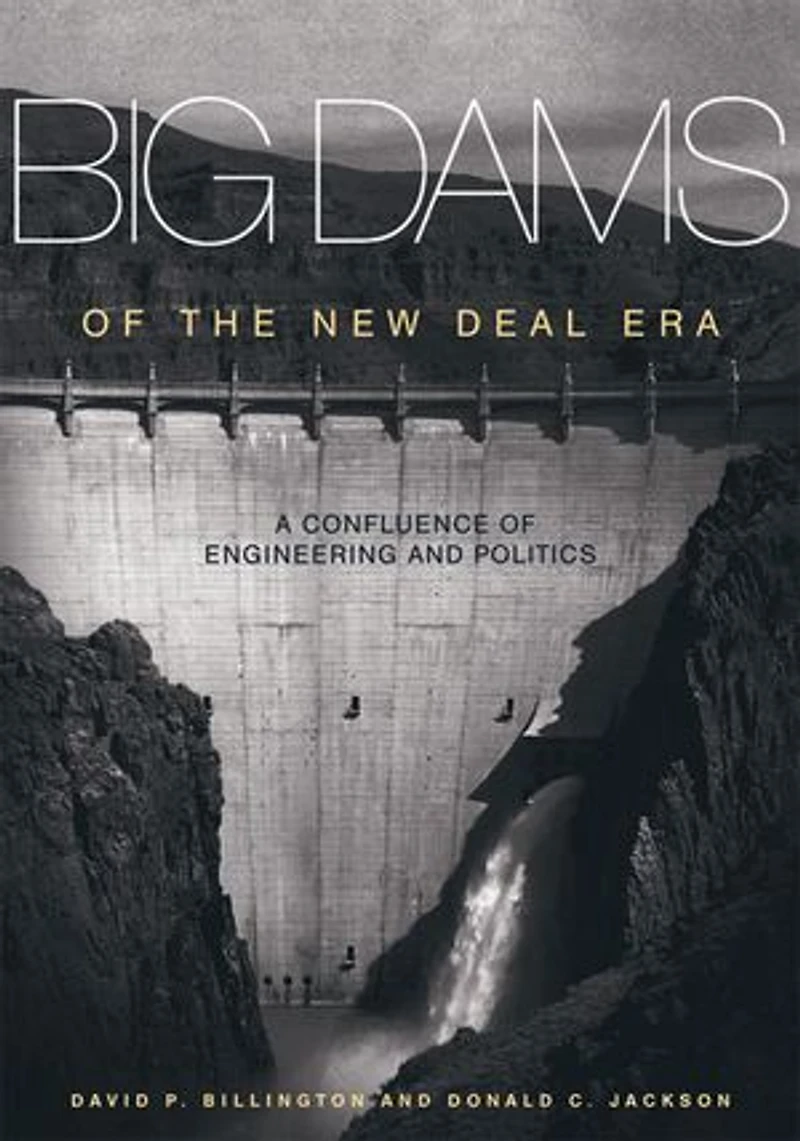
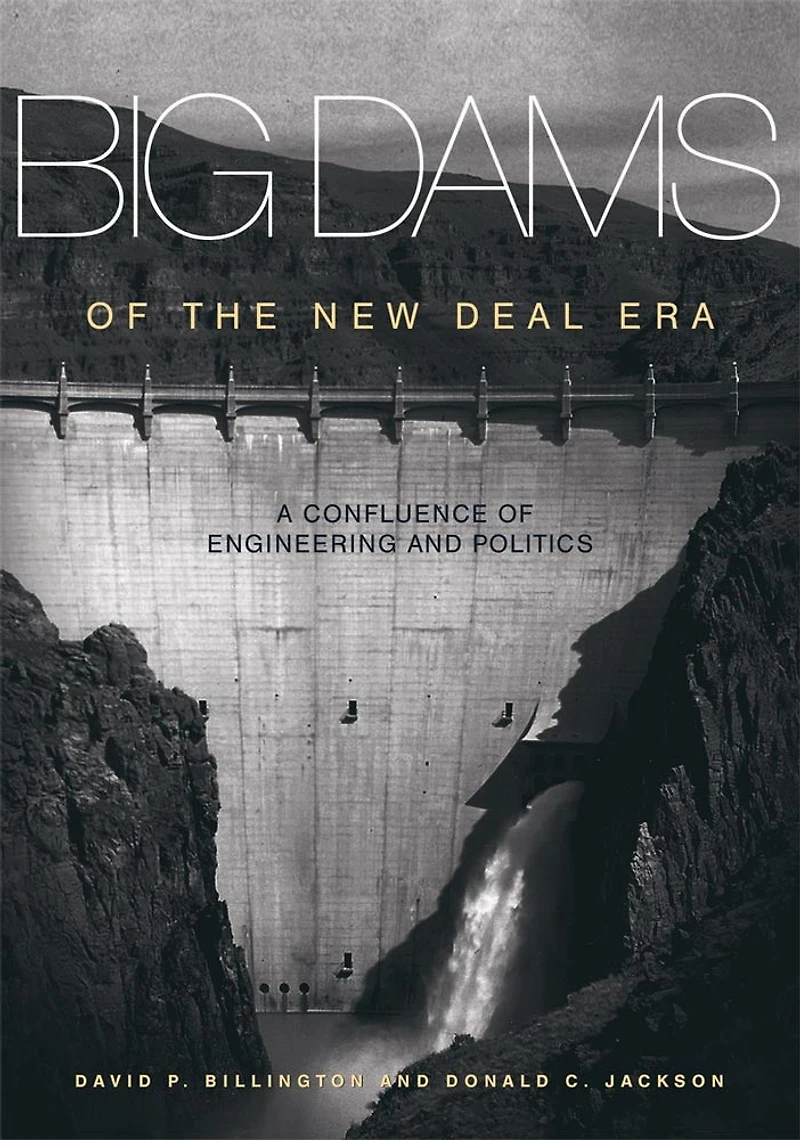
Big Dams of the New Deal Era: A Confluence Engineering and Politics in Brampton, ON
Current price: $48.50
Coles
Big Dams of the New Deal Era: A Confluence Engineering and Politics in Brampton, ON
Current price: $48.50
Loading Inventory...
Size: Hardcover
*Product information and pricing may vary - to confirm current pricing, availability, shipping, and return information please contact Coles. In the event of a pricing discrepancy, the retailer's price will apply.
The massive dams of the American West were designed to serve multiple purposes: improving navigation, irrigating crops, storing water, controlling floods, and generating hydroelectricity. Their construction also put thousands of people to work during the Great Depression. Only later did the dams? baneful effects on river ecologies spark public debate.
Big Dams of the New Deal Era tells how major water-storage structures were erected in four western river basins. David P. Billington and Donald C. Jackson reveal how engineering science, regional and national politics, perceived public needs, and a river?s natural features intertwined to create distinctive dams within each region. In particular, the authors describe how two federal agencies, the Army Corps of Engineers and the Bureau of Reclamation, became key players in the creation of these important public works.
By illuminating the mathematical analysis that supported large-scale dam construction, the authors also describe how and why engineers in the 1930s most often opted for massive gravity dams, whose design required enormous quantities of concrete or earth-rock fill for stability.
Richly illustrated, Big Dams of the New Deal Era offers a compelling account of how major dams in the New Deal era restructured the landscape?both politically and physically?and why American society in the 1930s embraced them wholeheartedly.
The massive dams of the American West were designed to serve multiple purposes: improving navigation, irrigating crops, storing water, controlling floods, and generating hydroelectricity. Their construction also put thousands of people to work during the Great Depression. Only later did the dams? baneful effects on river ecologies spark public debate.
Big Dams of the New Deal Era tells how major water-storage structures were erected in four western river basins. David P. Billington and Donald C. Jackson reveal how engineering science, regional and national politics, perceived public needs, and a river?s natural features intertwined to create distinctive dams within each region. In particular, the authors describe how two federal agencies, the Army Corps of Engineers and the Bureau of Reclamation, became key players in the creation of these important public works.
By illuminating the mathematical analysis that supported large-scale dam construction, the authors also describe how and why engineers in the 1930s most often opted for massive gravity dams, whose design required enormous quantities of concrete or earth-rock fill for stability.
Richly illustrated, Big Dams of the New Deal Era offers a compelling account of how major dams in the New Deal era restructured the landscape?both politically and physically?and why American society in the 1930s embraced them wholeheartedly.
You May Also Like


















Find at Bramalea City Centre in Brampton, ON
Visit at Bramalea City Centre in Brampton, ON