



Gifting Made Simple
Give the Gift of ChoiceClick below to purchase a Bramalea City Centre eGift Card that can be used at participating retailers at Bramalea City Centre.Purchase HereHome
Biblical Commentary and Translation Later Medieval England: Experiments Interpretation
Coles
Loading Inventory...
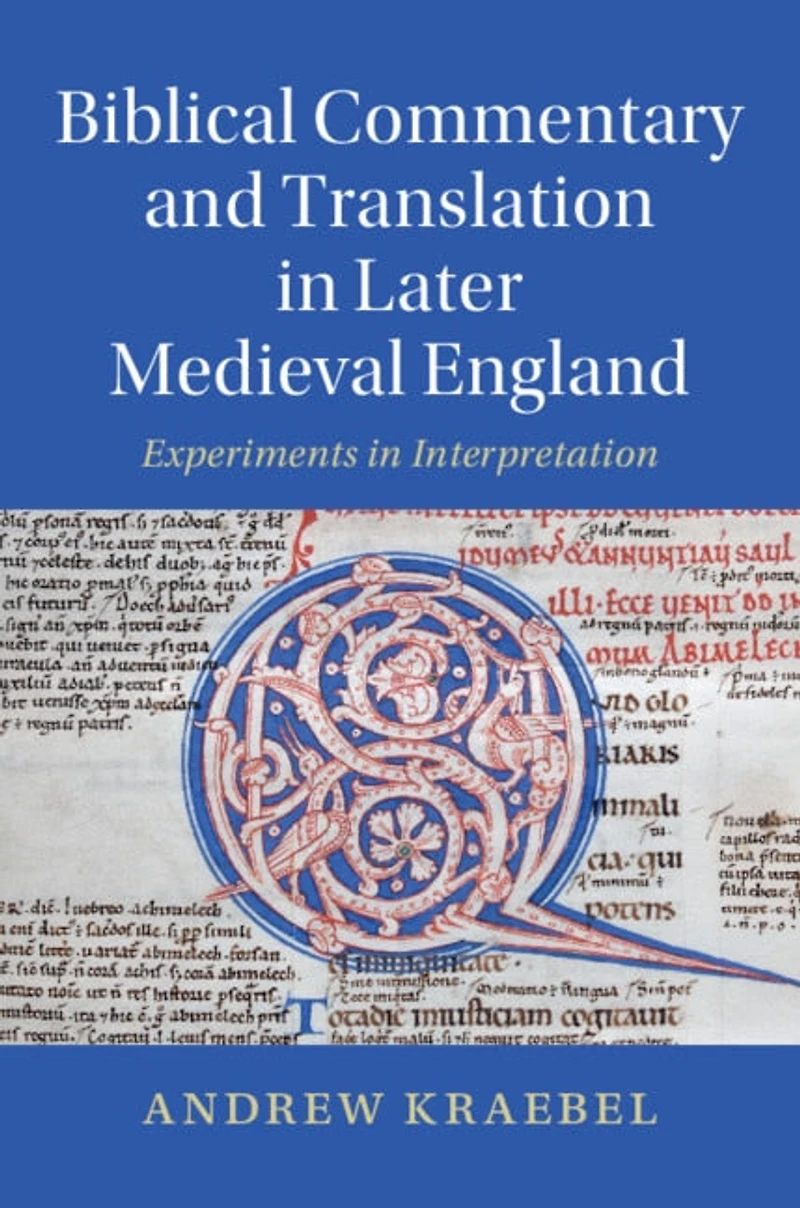
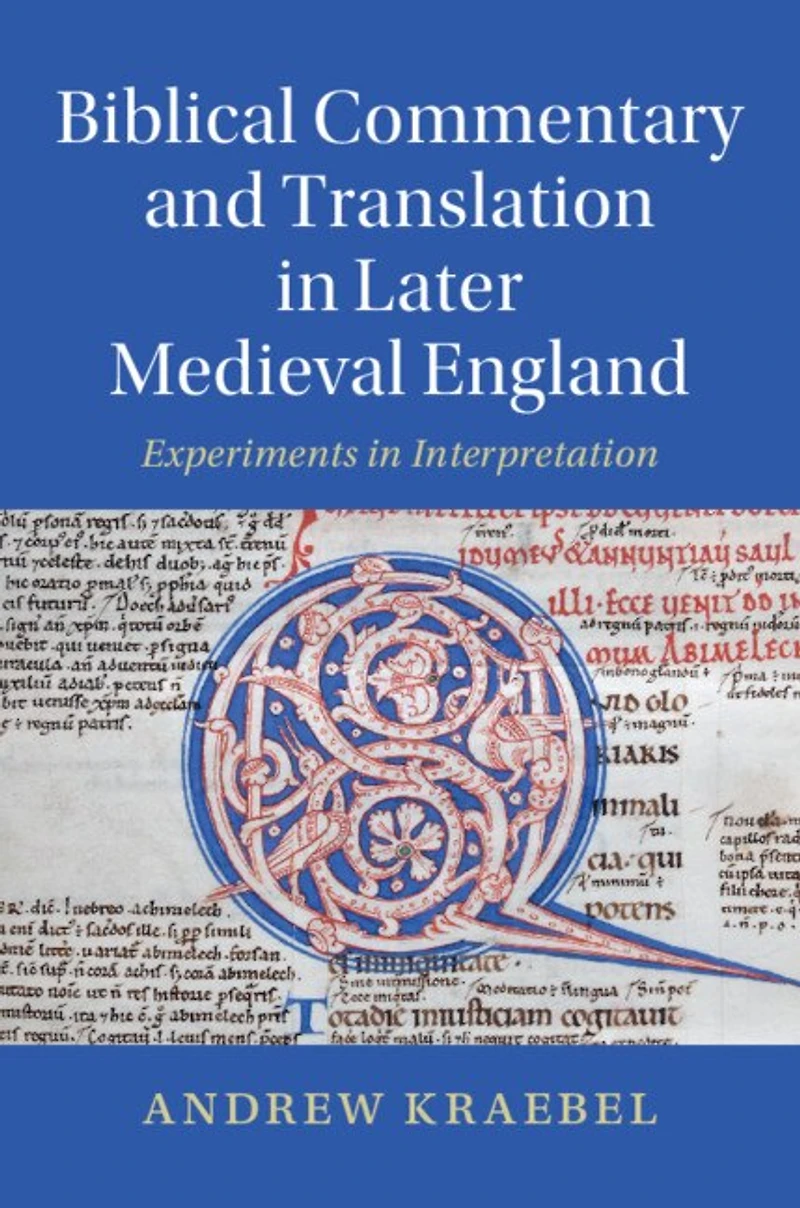
Biblical Commentary and Translation Later Medieval England: Experiments Interpretation in Brampton, ON
Current price: $152.95
Coles
Biblical Commentary and Translation Later Medieval England: Experiments Interpretation in Brampton, ON
Current price: $152.95
Loading Inventory...
Size: Hardcover
*Product information and pricing may vary - to confirm current pricing, availability, shipping, and return information please contact Coles. In the event of a pricing discrepancy, the retailer's price will apply.
Drawing extensively on unpublished manuscript sources, this study uncovers the culture of experimentation that surrounded biblical exegesis in fourteenth-century England. In an area ripe for revision, Andrew Kraebel challenges the accepted theory (inherited from Reformation writers) that medieval English Bible translations represent a proto-Protestant rejection of scholastic modes of interpretation. Instead, he argues that early translators were themselves part of a larger scholastic interpretive tradition, and that they tried to make that tradition available to a broader audience. Translation was thus one among many ways that English exegetes experimented with the possibilities of commentary. With a wide scope, the book focuses on works by writers from the heretic John Wyclif to the hermit Richard Rolle, alongside a host of lesser-known authors, including Henry Cossey and Nicholas Trevet, and many anonymous texts. The study provides new insight into the ingenuity of medieval interpreters willing to develop new literary-critical methods and embrace intellectual risks.
Drawing extensively on unpublished manuscript sources, this study uncovers the culture of experimentation that surrounded biblical exegesis in fourteenth-century England. In an area ripe for revision, Andrew Kraebel challenges the accepted theory (inherited from Reformation writers) that medieval English Bible translations represent a proto-Protestant rejection of scholastic modes of interpretation. Instead, he argues that early translators were themselves part of a larger scholastic interpretive tradition, and that they tried to make that tradition available to a broader audience. Translation was thus one among many ways that English exegetes experimented with the possibilities of commentary. With a wide scope, the book focuses on works by writers from the heretic John Wyclif to the hermit Richard Rolle, alongside a host of lesser-known authors, including Henry Cossey and Nicholas Trevet, and many anonymous texts. The study provides new insight into the ingenuity of medieval interpreters willing to develop new literary-critical methods and embrace intellectual risks.
You May Also Like


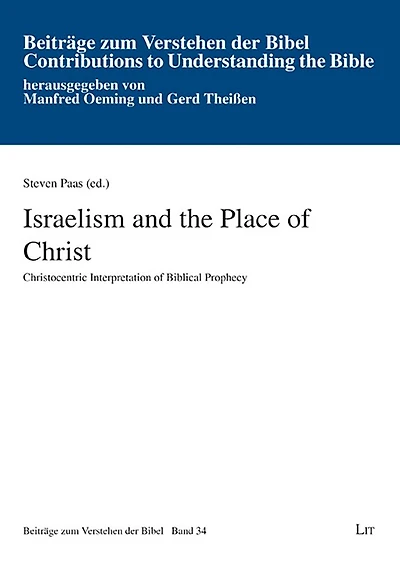
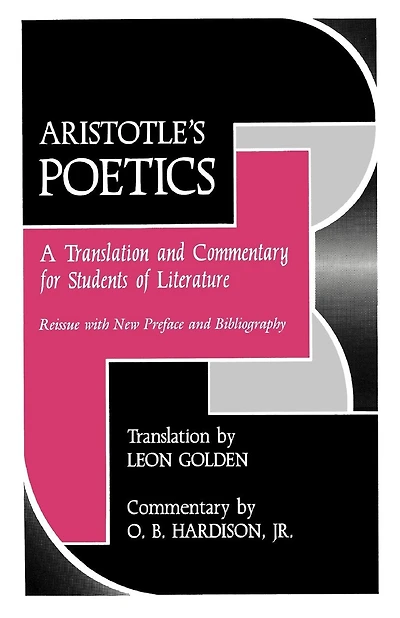
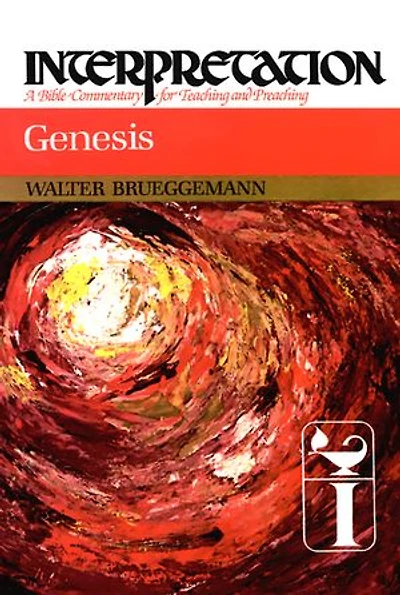








Find at Bramalea City Centre in Brampton, ON
Visit at Bramalea City Centre in Brampton, ON