



Gifting Made Simple
Give the Gift of ChoiceClick below to purchase a Bramalea City Centre eGift Card that can be used at participating retailers at Bramalea City Centre.Purchase HereHome
Bible and Bedlam: Madness, Sanism
Coles
Loading Inventory...
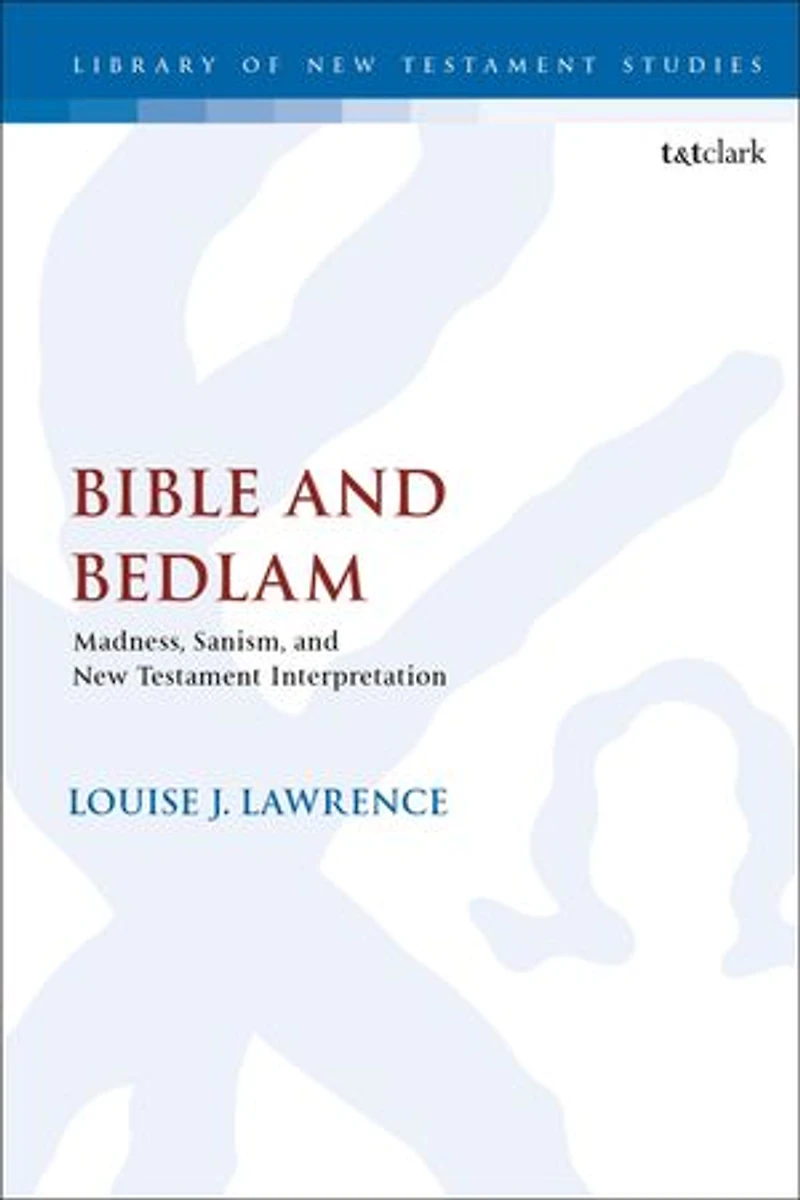
Bible and Bedlam: Madness, Sanism in Brampton, ON
Current price: $49.69
Original price: $62.05
Coles
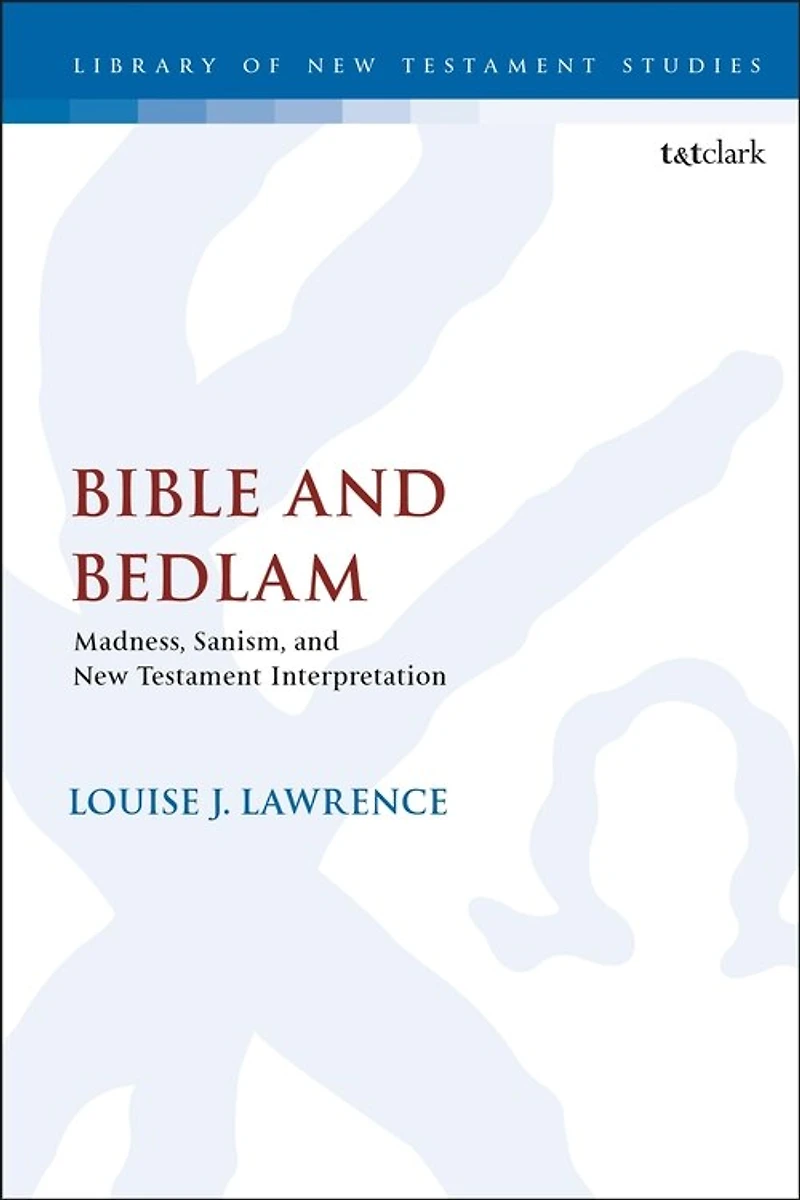
Bible and Bedlam: Madness, Sanism in Brampton, ON
Current price: $49.69
Original price: $62.05
Loading Inventory...
Size: Kobo eBook
*Product information and pricing may vary - to confirm current pricing, availability, shipping, and return information please contact Coles. In the event of a pricing discrepancy, the retailer's price will apply.
Bible and Bedlam first critically questions the exclusion and stereotyping of certain biblical characters and scholars perceived as 'mad', as such judgements illustrate the 'sanism' (prejudice against individuals who are diagnosed or perceived as mentally ill) perpetuated within the discipline of Western biblical studies. Second, it seeks to highlight the widespread ideological 'gatekeeping' - 'protection' and 'policing' of madness in both western history and scholarship - with regard to celebrated biblical figures, including Jesus and Paul. Third, it initiates creative exchanges between biblical texts, interpretations and contemporary voices from 'mad' studies and sources (autobiographies, memoirs etc.), which are designed to critically disturb, disrupt and displace commonly projected (and often pejorative) assumptions surrounding 'madness'. Voices of those subject to diagnostic labelling such as autism, schizophrenia and/or psychosis are among those juxtaposed here with selected biblical interpretations and texts.
Bible and Bedlam first critically questions the exclusion and stereotyping of certain biblical characters and scholars perceived as 'mad', as such judgements illustrate the 'sanism' (prejudice against individuals who are diagnosed or perceived as mentally ill) perpetuated within the discipline of Western biblical studies. Second, it seeks to highlight the widespread ideological 'gatekeeping' - 'protection' and 'policing' of madness in both western history and scholarship - with regard to celebrated biblical figures, including Jesus and Paul. Third, it initiates creative exchanges between biblical texts, interpretations and contemporary voices from 'mad' studies and sources (autobiographies, memoirs etc.), which are designed to critically disturb, disrupt and displace commonly projected (and often pejorative) assumptions surrounding 'madness'. Voices of those subject to diagnostic labelling such as autism, schizophrenia and/or psychosis are among those juxtaposed here with selected biblical interpretations and texts.
You May Also Like












Find at Bramalea City Centre in Brampton, ON
Visit at Bramalea City Centre in Brampton, ON