



Gifting Made Simple
Give the Gift of ChoiceClick below to purchase a Bramalea City Centre eGift Card that can be used at participating retailers at Bramalea City Centre.Purchase HereHome
Beyond Autonomy: Limits And Alternatives To Informed Consent Research Ethics Law
Coles
Loading Inventory...
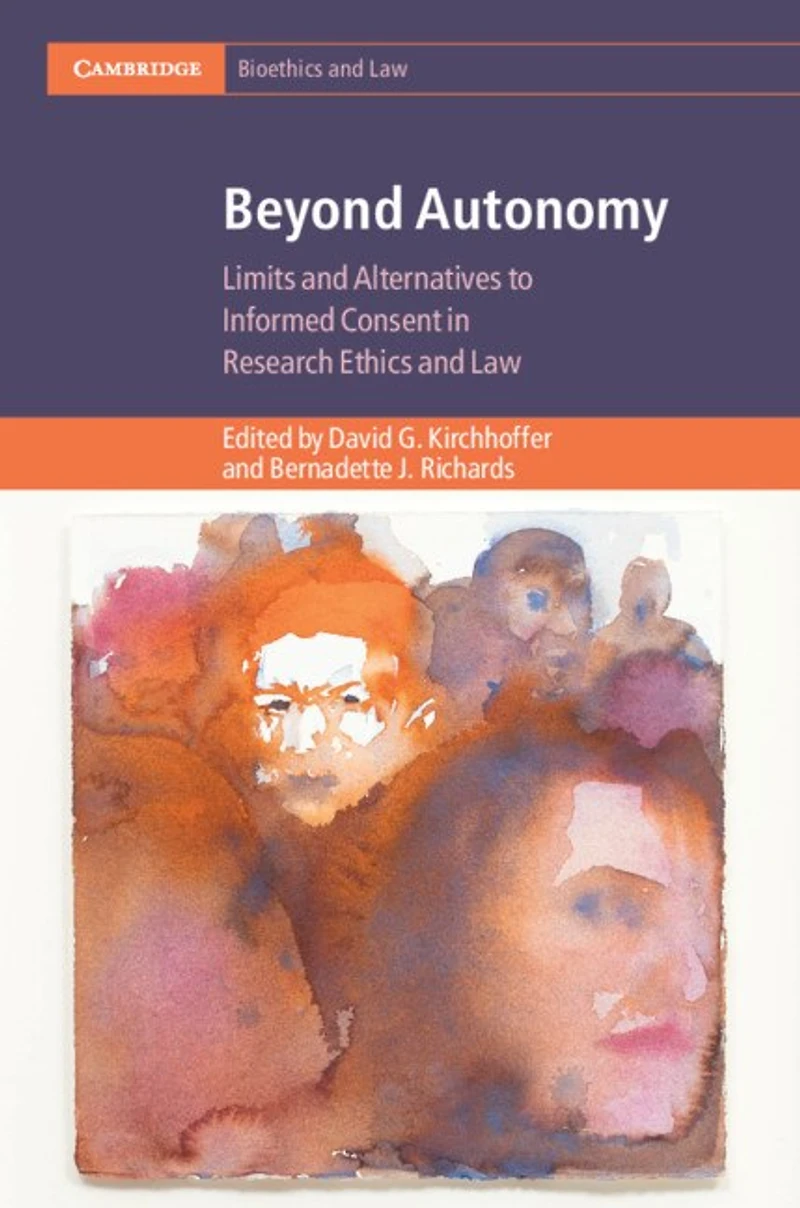
Beyond Autonomy: Limits And Alternatives To Informed Consent Research Ethics Law in Brampton, ON
Current price: $166.95
Coles
Beyond Autonomy: Limits And Alternatives To Informed Consent Research Ethics Law in Brampton, ON
Current price: $166.95
Loading Inventory...
Size: Hardcover
*Product information and pricing may vary - to confirm current pricing, availability, shipping, and return information please contact Coles. In the event of a pricing discrepancy, the retailer's price will apply.
Respect for autonomy has become a fundamental principle in human research ethics. Nonetheless, this principle and the associated process of obtaining informed consent do have limitations. This can lead to some groups, many of them vulnerable, being left understudied. This book considers these limitations and contributes through legal and philosophical analyses to the search for viable approaches to human research ethics. It explores the limitations of respect for autonomy and informed consent both in law and through the examination of cases where autonomy is lacking (infants), diminished (addicts), and compromised (low socio-economic status). It examines alternative and complementary concepts to overcome the limits of respect for autonomy, including beneficence, dignity, virtue, solidarity, non-exploitation, vulnerability and self-ownership. It takes seriously the importance of human relationality and community in qualifying, tempering and complementing autonomy to achieve the ultimate end of human research - the good of humankind.
Respect for autonomy has become a fundamental principle in human research ethics. Nonetheless, this principle and the associated process of obtaining informed consent do have limitations. This can lead to some groups, many of them vulnerable, being left understudied. This book considers these limitations and contributes through legal and philosophical analyses to the search for viable approaches to human research ethics. It explores the limitations of respect for autonomy and informed consent both in law and through the examination of cases where autonomy is lacking (infants), diminished (addicts), and compromised (low socio-economic status). It examines alternative and complementary concepts to overcome the limits of respect for autonomy, including beneficence, dignity, virtue, solidarity, non-exploitation, vulnerability and self-ownership. It takes seriously the importance of human relationality and community in qualifying, tempering and complementing autonomy to achieve the ultimate end of human research - the good of humankind.
You May Also Like
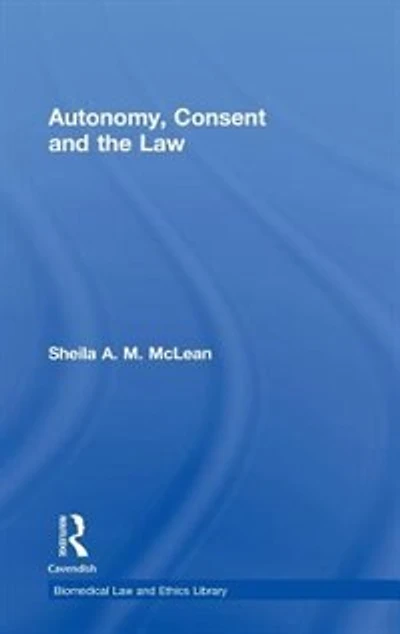
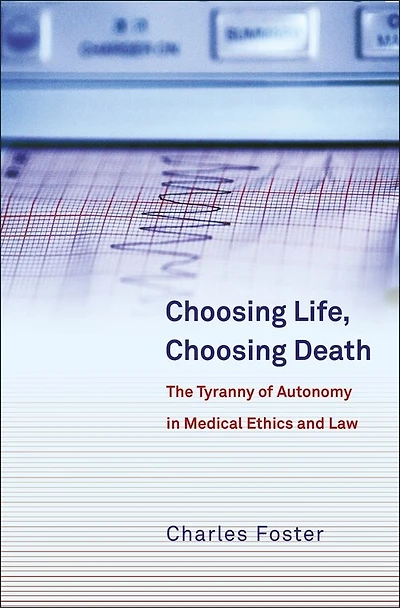













Find at Bramalea City Centre in Brampton, ON
Visit at Bramalea City Centre in Brampton, ON