



Gifting Made Simple
Give the Gift of ChoiceClick below to purchase a Bramalea City Centre eGift Card that can be used at participating retailers at Bramalea City Centre.Purchase HereHome
Between Mao and Gandhi: The Social Roots of Civil Resistance
Coles
Loading Inventory...
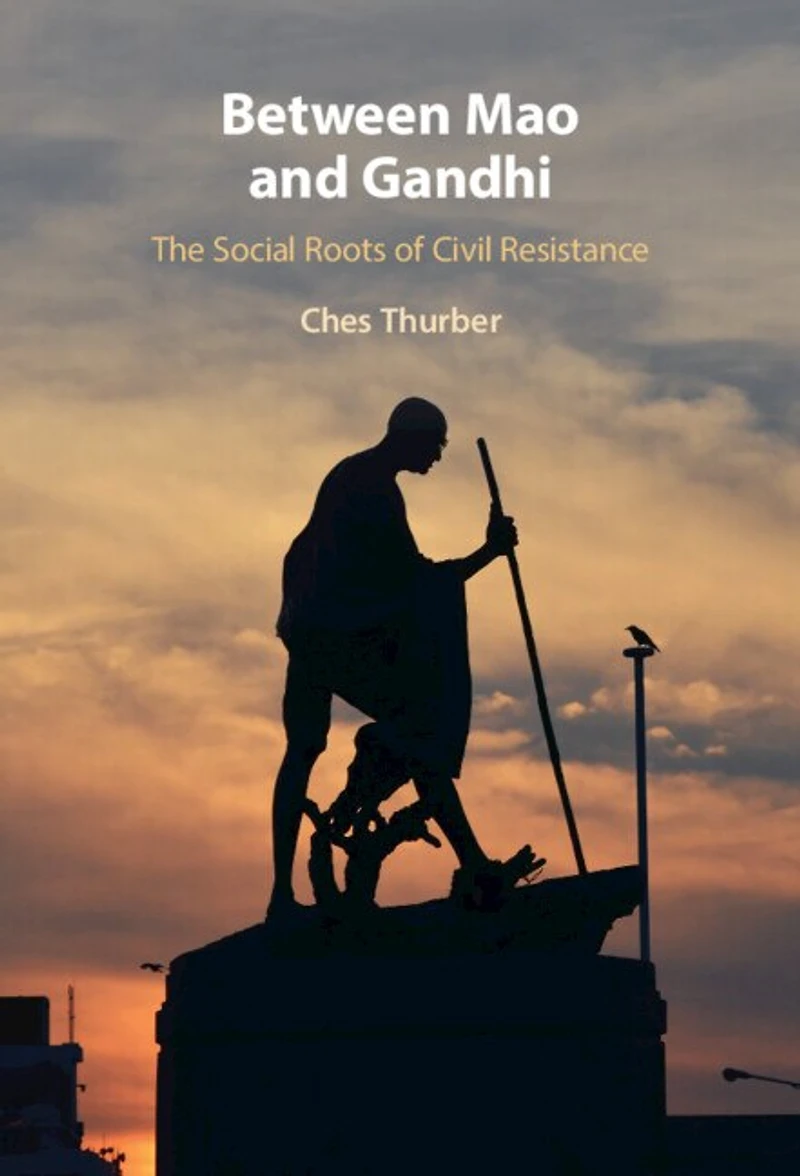
Between Mao and Gandhi: The Social Roots of Civil Resistance in Brampton, ON
Current price: $127.95
Coles
Between Mao and Gandhi: The Social Roots of Civil Resistance in Brampton, ON
Current price: $127.95
Loading Inventory...
Size: Hardcover
*Product information and pricing may vary - to confirm current pricing, availability, shipping, and return information please contact Coles. In the event of a pricing discrepancy, the retailer's price will apply.
From Eastern Europe to South Africa to the Arab Spring, nonviolent action has proven capable of overthrowing autocratic regimes and bringing about revolutionary political change. How do dissidents come to embrace a nonviolent strategy in the first place? Why do others rule it out in favor of taking up arms? Despite a new wave of attention to the effectiveness and global impact of nonviolent movements, our understanding of their origins and trajectories remains limited. Drawing on cases from Nepal, Syria, India and South Africa, as well as global cross-national data, this book details the processes through which challenger organizations come to embrace or reject civil resistance as a means of capturing state power. It develops a relational theory, showing how the social ties that underpin challenger organizations shape their ability and willingness to attempt regime change using nonviolent means alone.
From Eastern Europe to South Africa to the Arab Spring, nonviolent action has proven capable of overthrowing autocratic regimes and bringing about revolutionary political change. How do dissidents come to embrace a nonviolent strategy in the first place? Why do others rule it out in favor of taking up arms? Despite a new wave of attention to the effectiveness and global impact of nonviolent movements, our understanding of their origins and trajectories remains limited. Drawing on cases from Nepal, Syria, India and South Africa, as well as global cross-national data, this book details the processes through which challenger organizations come to embrace or reject civil resistance as a means of capturing state power. It develops a relational theory, showing how the social ties that underpin challenger organizations shape their ability and willingness to attempt regime change using nonviolent means alone.
You May Also Like










Find at Bramalea City Centre in Brampton, ON
Visit at Bramalea City Centre in Brampton, ON