



Gifting Made Simple
Give the Gift of ChoiceClick below to purchase a Bramalea City Centre eGift Card that can be used at participating retailers at Bramalea City Centre.Purchase HereHome
Benevolent Colonizers in Nineteenth-Century Australia: Quaker Lives and Ideals
Coles
Loading Inventory...
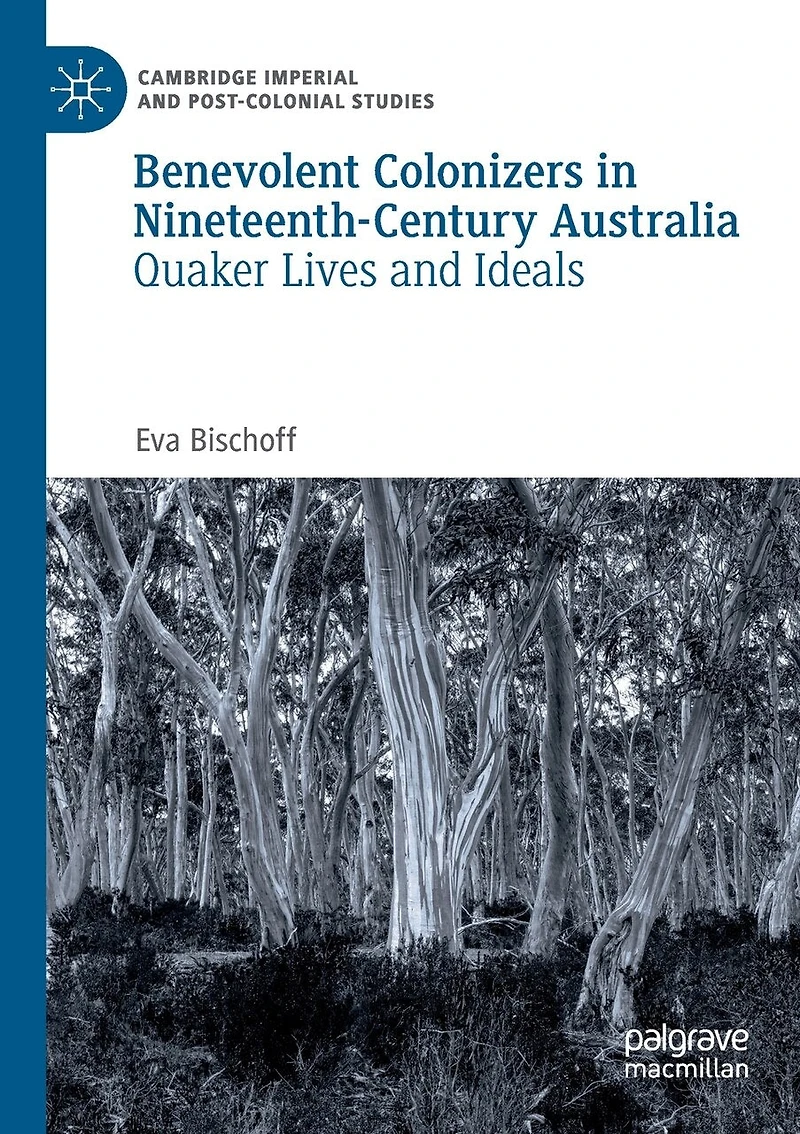
Benevolent Colonizers in Nineteenth-Century Australia: Quaker Lives and Ideals in Brampton, ON
Current price: $145.95
Coles
Benevolent Colonizers in Nineteenth-Century Australia: Quaker Lives and Ideals in Brampton, ON
Current price: $145.95
Loading Inventory...
Size: Paperback
*Product information and pricing may vary - to confirm current pricing, availability, shipping, and return information please contact Coles. In the event of a pricing discrepancy, the retailer's price will apply.
This book reconstructs the history of a group of British Quaker families and their involvement in the process of settler colonialism in early nineteenth-century Australia. Their everyday actions contributed to the multiplicity of practices that displaced and annihilated Aboriginal communities. Simultaneously, early nineteenth-century Friends were members of a translocal, transatlantic community characterized by pacifism and an involvement in transnational humanitarian efforts, such as the abolitionist and the prison reform movements as well as the Aborigines Protection Society. Considering these ideals, how did Quakers negotiate the violence of the frontier? To answer this question, the book looks at Tasmanian and South Australian Quakers' lives and experiences, their journeys and their writings. Building on recent scholarship on the entanglement between the local and the global, each chapter adopts a different historical perspective in terms of breadth and focused time period. The study combines these different takes to capture the complexities of this topic and era.
This book reconstructs the history of a group of British Quaker families and their involvement in the process of settler colonialism in early nineteenth-century Australia. Their everyday actions contributed to the multiplicity of practices that displaced and annihilated Aboriginal communities. Simultaneously, early nineteenth-century Friends were members of a translocal, transatlantic community characterized by pacifism and an involvement in transnational humanitarian efforts, such as the abolitionist and the prison reform movements as well as the Aborigines Protection Society. Considering these ideals, how did Quakers negotiate the violence of the frontier? To answer this question, the book looks at Tasmanian and South Australian Quakers' lives and experiences, their journeys and their writings. Building on recent scholarship on the entanglement between the local and the global, each chapter adopts a different historical perspective in terms of breadth and focused time period. The study combines these different takes to capture the complexities of this topic and era.
You May Also Like













Find at Bramalea City Centre in Brampton, ON
Visit at Bramalea City Centre in Brampton, ON