



Gifting Made Simple
Give the Gift of ChoiceClick below to purchase a Bramalea City Centre eGift Card that can be used at participating retailers at Bramalea City Centre.Purchase HereHome
Behind Crimmigration: ICE, Law Enforcement, and Resistance America
Coles
Loading Inventory...
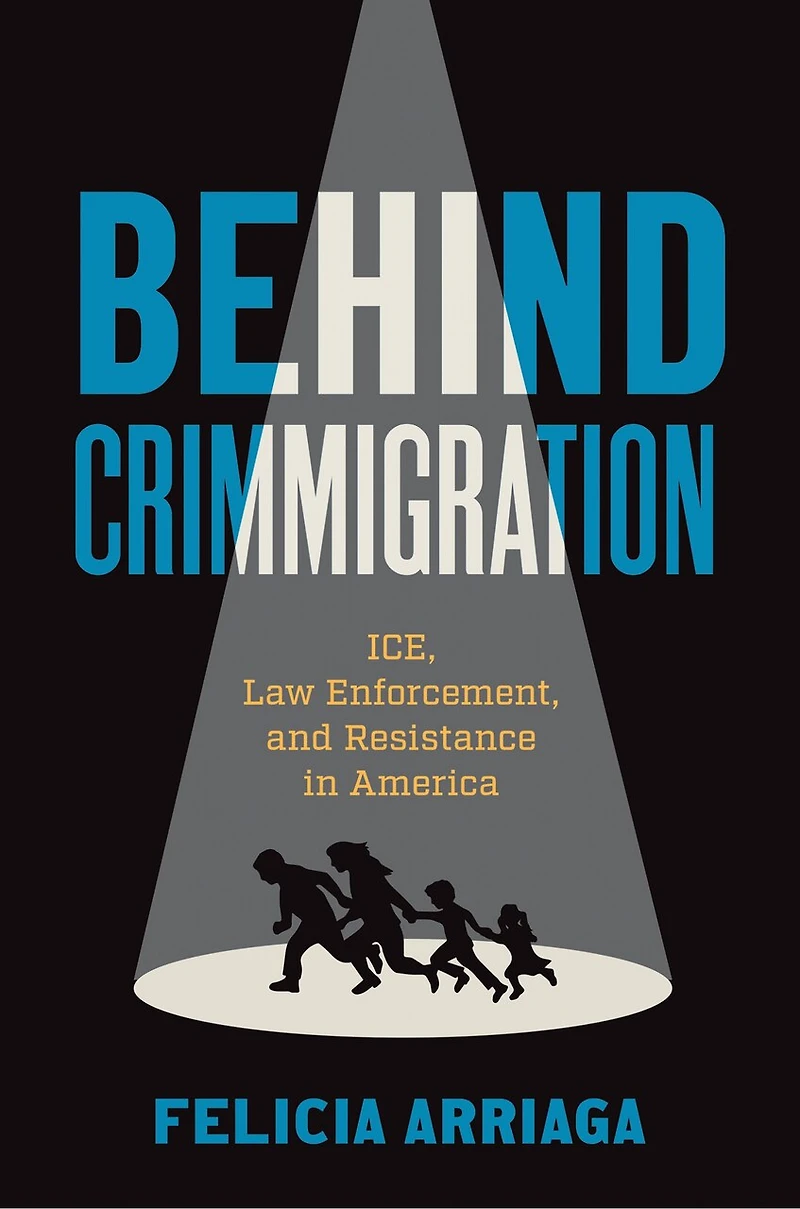
Behind Crimmigration: ICE, Law Enforcement, and Resistance America in Brampton, ON
Current price: $135.02
Coles
Behind Crimmigration: ICE, Law Enforcement, and Resistance America in Brampton, ON
Current price: $135.02
Loading Inventory...
Size: Hardcover
*Product information and pricing may vary - to confirm current pricing, availability, shipping, and return information please contact Coles. In the event of a pricing discrepancy, the retailer's price will apply.
In recent years, dozens of counties in North Carolina have partnered with federal law enforcement in the criminalization of immigration—what many have dubbed “crimmigration.” Southern border enforcement still monopolizes the national immigration debate, but immigration enforcement has become common within the United States as well. While Immigration and Customs Enforcement (ICE) operations are a major part of American immigration enforcement, Felicia Arriaga maintains that ICE relies on an already well-established system—the use of local law enforcement and local governments to identify, incarcerate, and deport undocumented immigrants.
Arriaga contends that the long-term partnership between local sheriffs and immigration law enforcement in places like North Carolina has created a form of racialized social control of the Latinx community. Arriaga uses data from five county sheriff’s offices and their governing bodies to trace the creation and subsequent normalization of ICE and local law enforcement partnerships. Arriaga argues that the methods used by these partnerships to control immigration are employed throughout the United States, but they have been particularly visible in North Carolina, where the Latinx population increased by 111 percent between 2000 and 2010. Arriaga’s evidence also reveals how Latinx communities are resisting and adapting to these systems.
In recent years, dozens of counties in North Carolina have partnered with federal law enforcement in the criminalization of immigration—what many have dubbed “crimmigration.” Southern border enforcement still monopolizes the national immigration debate, but immigration enforcement has become common within the United States as well. While Immigration and Customs Enforcement (ICE) operations are a major part of American immigration enforcement, Felicia Arriaga maintains that ICE relies on an already well-established system—the use of local law enforcement and local governments to identify, incarcerate, and deport undocumented immigrants.
Arriaga contends that the long-term partnership between local sheriffs and immigration law enforcement in places like North Carolina has created a form of racialized social control of the Latinx community. Arriaga uses data from five county sheriff’s offices and their governing bodies to trace the creation and subsequent normalization of ICE and local law enforcement partnerships. Arriaga argues that the methods used by these partnerships to control immigration are employed throughout the United States, but they have been particularly visible in North Carolina, where the Latinx population increased by 111 percent between 2000 and 2010. Arriaga’s evidence also reveals how Latinx communities are resisting and adapting to these systems.
You May Also Like















Find at Bramalea City Centre in Brampton, ON
Visit at Bramalea City Centre in Brampton, ON