



Gifting Made Simple
Give the Gift of ChoiceClick below to purchase a Bramalea City Centre eGift Card that can be used at participating retailers at Bramalea City Centre.Purchase HereHome
Basics of Perception Architecture
Coles
Loading Inventory...
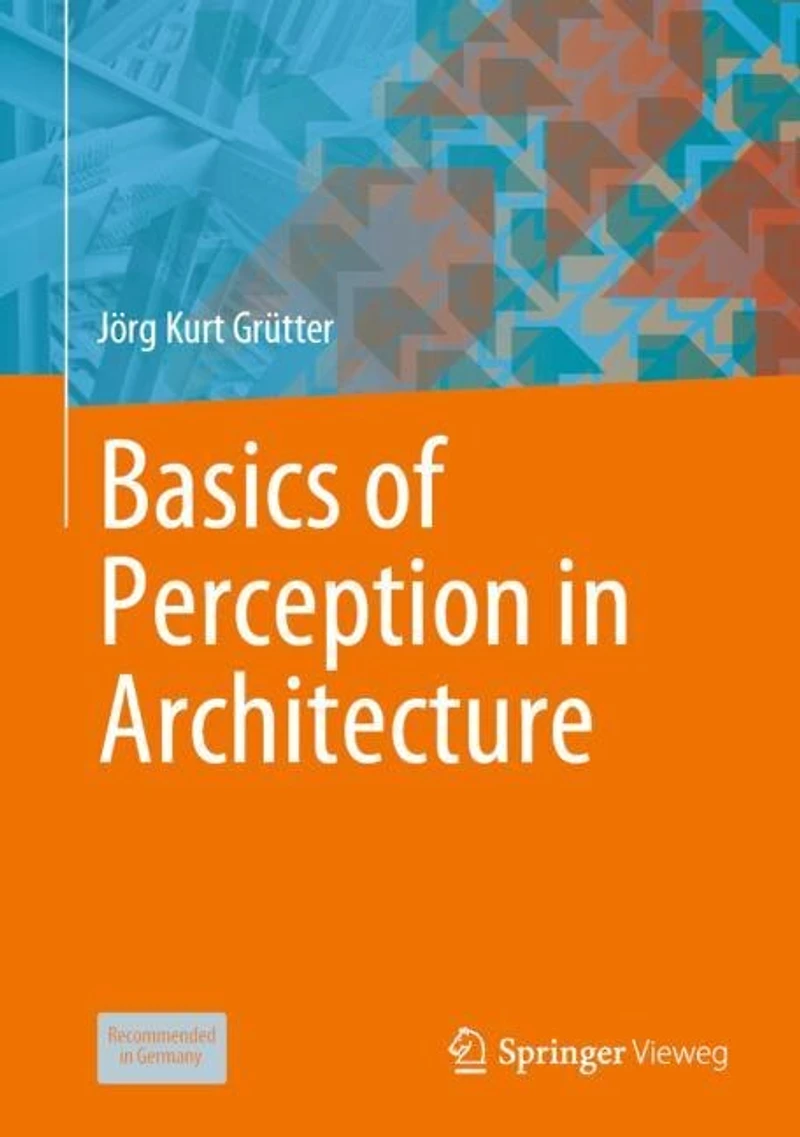

Basics of Perception Architecture in Brampton, ON
Current price: $116.95
Coles
Basics of Perception Architecture in Brampton, ON
Current price: $116.95
Loading Inventory...
Size: Hardcover
*Product information and pricing may vary - to confirm current pricing, availability, shipping, and return information please contact Coles. In the event of a pricing discrepancy, the retailer's price will apply.
This book makes the extremely complex process of architectural perception far more transparent and thus contributes to a better understanding of our built environment. Why is there so much debate about the appearance of our built environment, about the aesthetics of architecture today? Why do opinions about the aesthetic quality of buildings often diverge extremely even among experts? Why can't we agree on architecture, on what is beautiful and what is not? Most areas of construction, such as statics and building physics, are measurable and can therefore be substantiated with objective arguments. Yet this does not apply to the unquantifiable aesthetics of architecture. Accordingly, judgments on aesthetics are always subject-specific, and strongly dependent on the viewer. Nevertheless, the aesthetics of architecture is not just a matter of taste. Many relationships between buildings as objects and viewers as subjects can be determined objectively with the help of perceptual psychology and information theory, as this book demonstrates.
This book makes the extremely complex process of architectural perception far more transparent and thus contributes to a better understanding of our built environment. Why is there so much debate about the appearance of our built environment, about the aesthetics of architecture today? Why do opinions about the aesthetic quality of buildings often diverge extremely even among experts? Why can't we agree on architecture, on what is beautiful and what is not? Most areas of construction, such as statics and building physics, are measurable and can therefore be substantiated with objective arguments. Yet this does not apply to the unquantifiable aesthetics of architecture. Accordingly, judgments on aesthetics are always subject-specific, and strongly dependent on the viewer. Nevertheless, the aesthetics of architecture is not just a matter of taste. Many relationships between buildings as objects and viewers as subjects can be determined objectively with the help of perceptual psychology and information theory, as this book demonstrates.
You May Also Like


















Find at Bramalea City Centre in Brampton, ON
Visit at Bramalea City Centre in Brampton, ON