



Gifting Made Simple
Give the Gift of ChoiceClick below to purchase a Bramalea City Centre eGift Card that can be used at participating retailers at Bramalea City Centre.Purchase HereHome
Barriers to Growth: English Economic Development from the Norman Conquest Industrialisation
Coles
Loading Inventory...
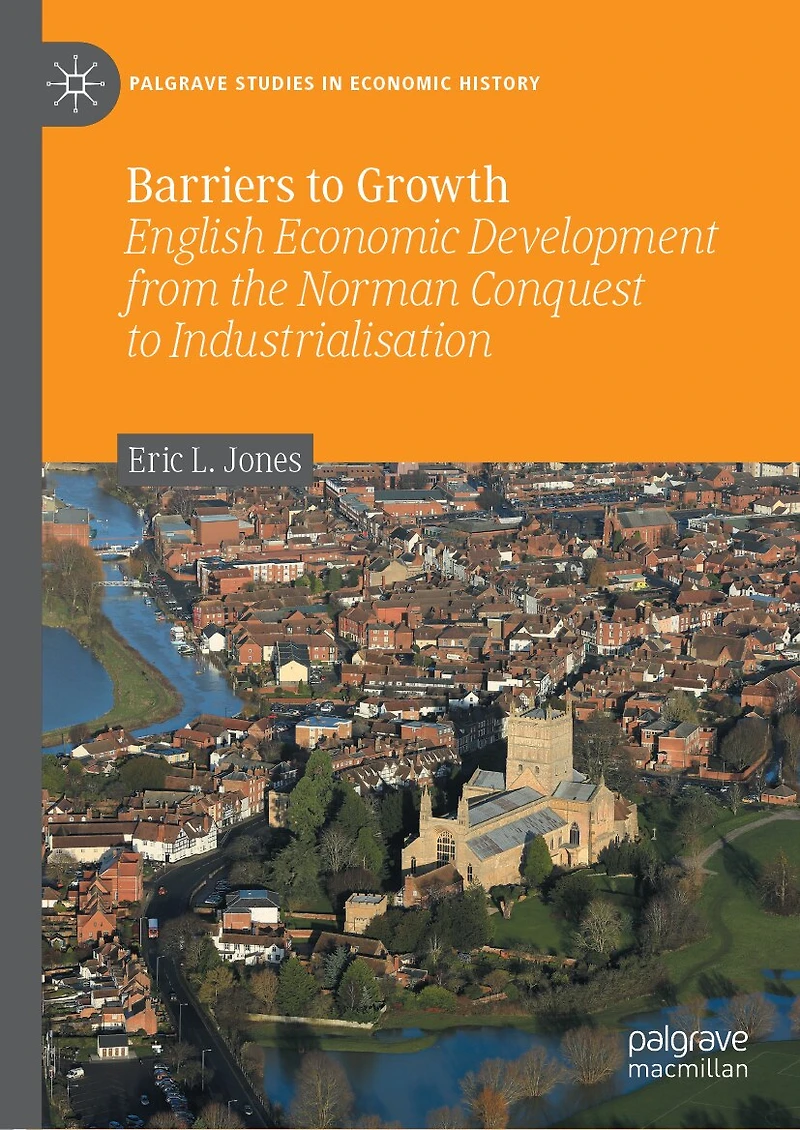
Barriers to Growth: English Economic Development from the Norman Conquest Industrialisation in Brampton, ON
Current price: $145.95
Coles
Barriers to Growth: English Economic Development from the Norman Conquest Industrialisation in Brampton, ON
Current price: $145.95
Loading Inventory...
Size: Hardcover
*Product information and pricing may vary - to confirm current pricing, availability, shipping, and return information please contact Coles. In the event of a pricing discrepancy, the retailer's price will apply.
This book deals sequentially with major impediments to economic growth and their slow dissolution. It is original and quite different from standard economic history, which has always sought for one prime mover of the industrial revolution after another. These supposed positive forces are usually depicted as novel and little reference is made to inertia. Instead the barriers dealt with here run, in the first section, from early misallocations of resources to nineteenth-century reforms which of their nature indicate the problems to be overcome. The second section deals with more physical impediments and shocks, such as floods and settlement fires. These too are ignored in ordinary treatments, which this book will supplement or even replace. It will be of interest to academic economic historians and practitioners of neighbouring subjects such as economists, historians, historical geographers, and of course their students.
This book deals sequentially with major impediments to economic growth and their slow dissolution. It is original and quite different from standard economic history, which has always sought for one prime mover of the industrial revolution after another. These supposed positive forces are usually depicted as novel and little reference is made to inertia. Instead the barriers dealt with here run, in the first section, from early misallocations of resources to nineteenth-century reforms which of their nature indicate the problems to be overcome. The second section deals with more physical impediments and shocks, such as floods and settlement fires. These too are ignored in ordinary treatments, which this book will supplement or even replace. It will be of interest to academic economic historians and practitioners of neighbouring subjects such as economists, historians, historical geographers, and of course their students.
You May Also Like














Find at Bramalea City Centre in Brampton, ON
Visit at Bramalea City Centre in Brampton, ON