



Gifting Made Simple
Give the Gift of ChoiceClick below to purchase a Bramalea City Centre eGift Card that can be used at participating retailers at Bramalea City Centre.Purchase HereHome
Ballistic Missile Defence and US National Security Policy: Normalisation Acceptance after the Cold War
Coles
Loading Inventory...
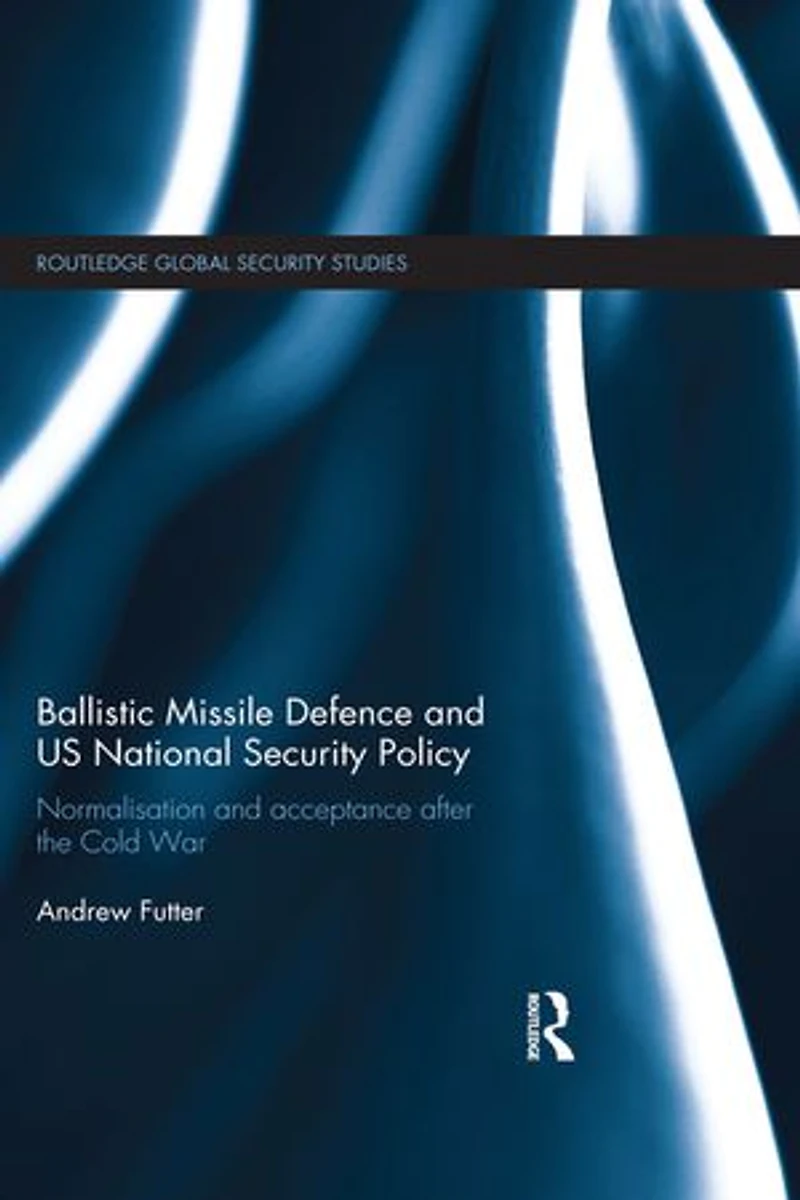
Ballistic Missile Defence and US National Security Policy: Normalisation Acceptance after the Cold War in Brampton, ON
Current price: $96.35
Coles
Ballistic Missile Defence and US National Security Policy: Normalisation Acceptance after the Cold War in Brampton, ON
Current price: $96.35
Loading Inventory...
Size: Kobo eBook
*Product information and pricing may vary - to confirm current pricing, availability, shipping, and return information please contact Coles. In the event of a pricing discrepancy, the retailer's price will apply.
This book examines the transformation in US thinking about the role of Ballistic Missile Defence (BMD) in national security policy since the end of the Cold War. The evolution of the BMD debate after the Cold War has been complex, complicated and punctuated. As this book shows, the debate and subsequent policy choices would often appear to reflect neither the particular requirements of the international system for US security at any given time, nor indeed the current capabilities of BMD technology. Ballistic Missile Defence and US National Security Policy traces the evolution of policy from the zero-sum debates that surrounded the Strategic Defense Initiative as Ronald Reagan left office, up to the relative political consensus that exists around a limited BMD deployment in 2012. The book shows how and why policy evolved in such a complex manner during this period, and explains the strategic reasoning and political pressures shaping BMD policy under each of the presidents who have held office since 1989. Ultimately, this volume demonstrates how relative advancements in technology, combined with growth in the perceived missile threat, gradually shifted the contours and rhythm of the domestic missile defence debate in the US towards acceptance and normalisation. This book will be of much interest to students of missile defence and arms control, US national security policy, strategic studies and international relations in general.
This book examines the transformation in US thinking about the role of Ballistic Missile Defence (BMD) in national security policy since the end of the Cold War. The evolution of the BMD debate after the Cold War has been complex, complicated and punctuated. As this book shows, the debate and subsequent policy choices would often appear to reflect neither the particular requirements of the international system for US security at any given time, nor indeed the current capabilities of BMD technology. Ballistic Missile Defence and US National Security Policy traces the evolution of policy from the zero-sum debates that surrounded the Strategic Defense Initiative as Ronald Reagan left office, up to the relative political consensus that exists around a limited BMD deployment in 2012. The book shows how and why policy evolved in such a complex manner during this period, and explains the strategic reasoning and political pressures shaping BMD policy under each of the presidents who have held office since 1989. Ultimately, this volume demonstrates how relative advancements in technology, combined with growth in the perceived missile threat, gradually shifted the contours and rhythm of the domestic missile defence debate in the US towards acceptance and normalisation. This book will be of much interest to students of missile defence and arms control, US national security policy, strategic studies and international relations in general.
You May Also Like















Find at Bramalea City Centre in Brampton, ON
Visit at Bramalea City Centre in Brampton, ON