



Gifting Made Simple
Give the Gift of ChoiceClick below to purchase a Bramalea City Centre eGift Card that can be used at participating retailers at Bramalea City Centre.Purchase HereHome
Autobiography of Death
Coles
Loading Inventory...
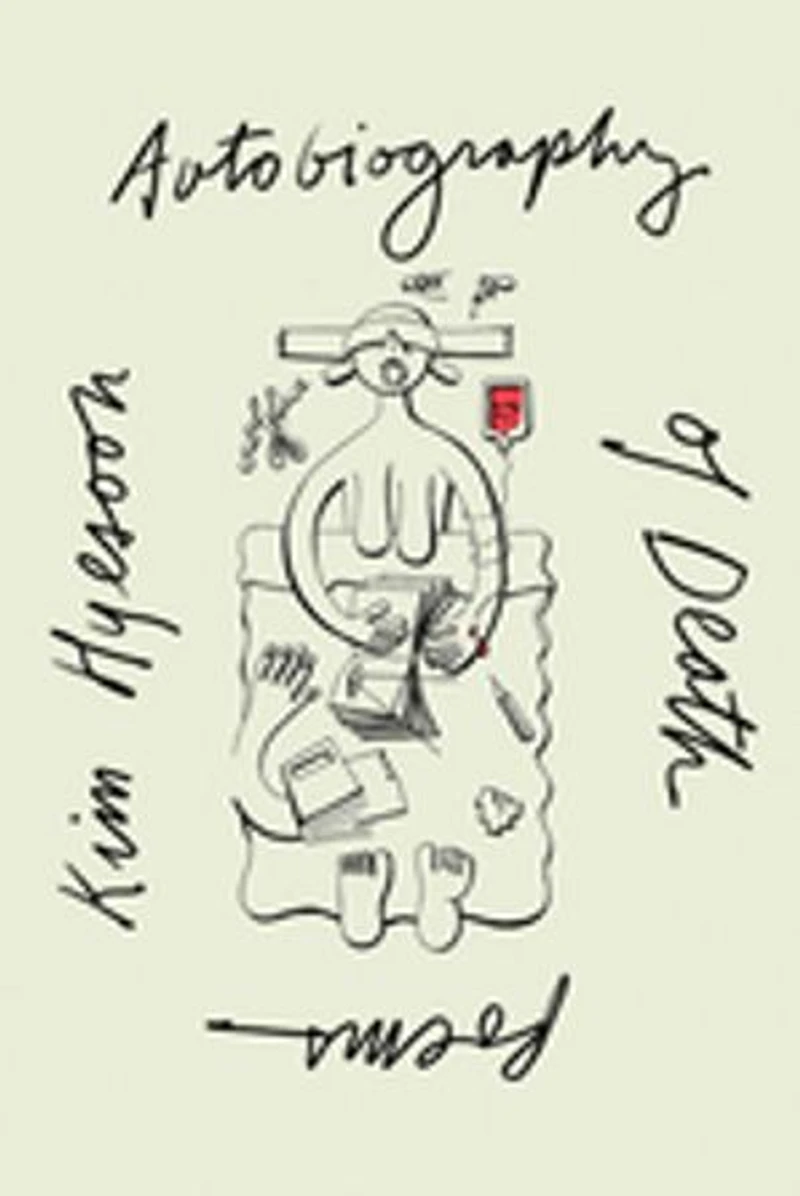
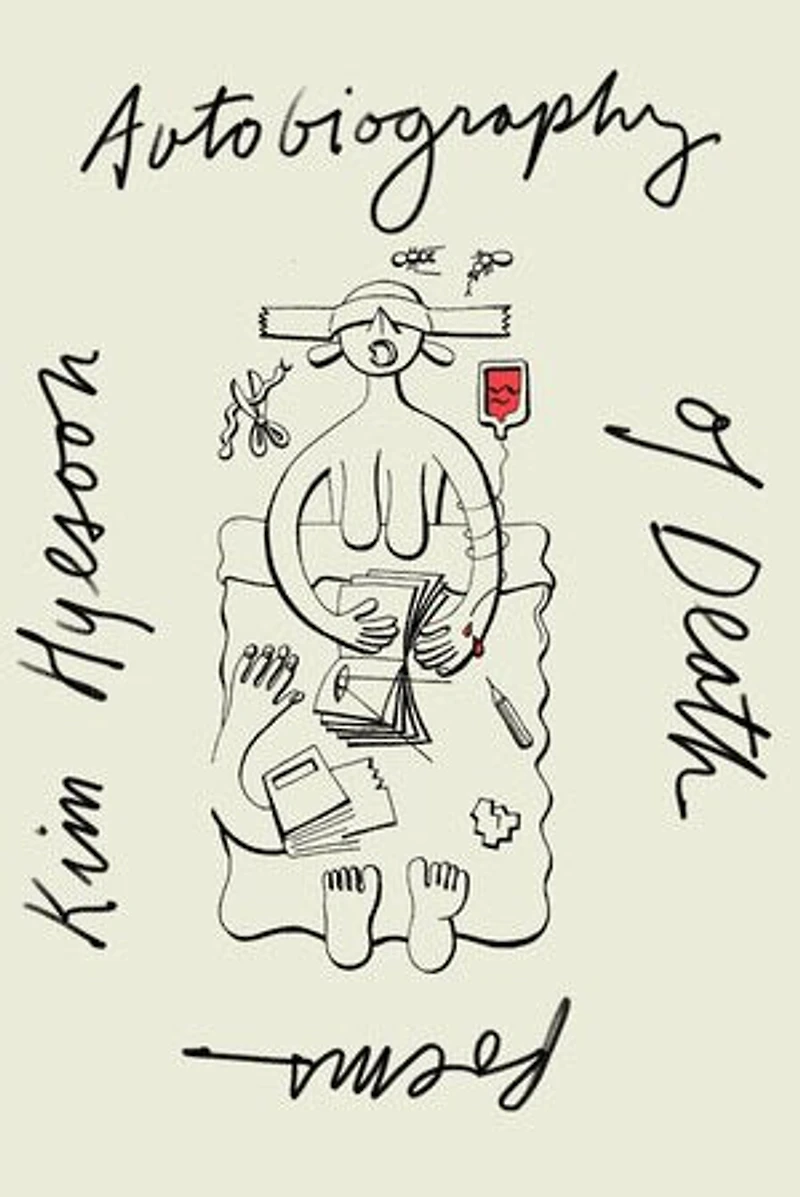
Autobiography of Death in Brampton, ON
Current price: $19.79
Original price: $24.65
Coles
Autobiography of Death in Brampton, ON
Current price: $19.79
Original price: $24.65
Loading Inventory...
Size: Kobo eBook
*Product information and pricing may vary - to confirm current pricing, availability, shipping, and return information please contact Coles. In the event of a pricing discrepancy, the retailer's price will apply.
*Winner of The Griffin International Poetry Prize and the Lucien Stryk Asian Translation Award*
The title section of Kim Hyesoon’s powerful new book, Autobiography of Death , consists of forty-nine poems, each poem representing a single day during which the spirit roams after death before it enters the cycle of reincarnation. The poems not only give voice to those who met unjust deaths during Korea’s violent contemporary history, but also unveil what Kim calls “the structure of death, that we remain living in.” Autobiography of Death , Kim’s most compelling work to date, at once reenacts trauma and narrates our historical death—how we have died and how we survive within this cyclical structure. In this sea of mirrors, the plural “you” speaks as a body of multitudes that has been beaten, bombed, and buried many times over by history. The volume concludes on the other side of the mirror with “Face of Rhythm,” a poem about individual pain, illness, and meditation.
*Winner of The Griffin International Poetry Prize and the Lucien Stryk Asian Translation Award*
The title section of Kim Hyesoon’s powerful new book, Autobiography of Death , consists of forty-nine poems, each poem representing a single day during which the spirit roams after death before it enters the cycle of reincarnation. The poems not only give voice to those who met unjust deaths during Korea’s violent contemporary history, but also unveil what Kim calls “the structure of death, that we remain living in.” Autobiography of Death , Kim’s most compelling work to date, at once reenacts trauma and narrates our historical death—how we have died and how we survive within this cyclical structure. In this sea of mirrors, the plural “you” speaks as a body of multitudes that has been beaten, bombed, and buried many times over by history. The volume concludes on the other side of the mirror with “Face of Rhythm,” a poem about individual pain, illness, and meditation.
You May Also Like











Find at Bramalea City Centre in Brampton, ON
Visit at Bramalea City Centre in Brampton, ON