



Gifting Made Simple
Give the Gift of ChoiceClick below to purchase a Bramalea City Centre eGift Card that can be used at participating retailers at Bramalea City Centre.Purchase HereHome
Authority of the Court and Peril Politics
Coles
Loading Inventory...
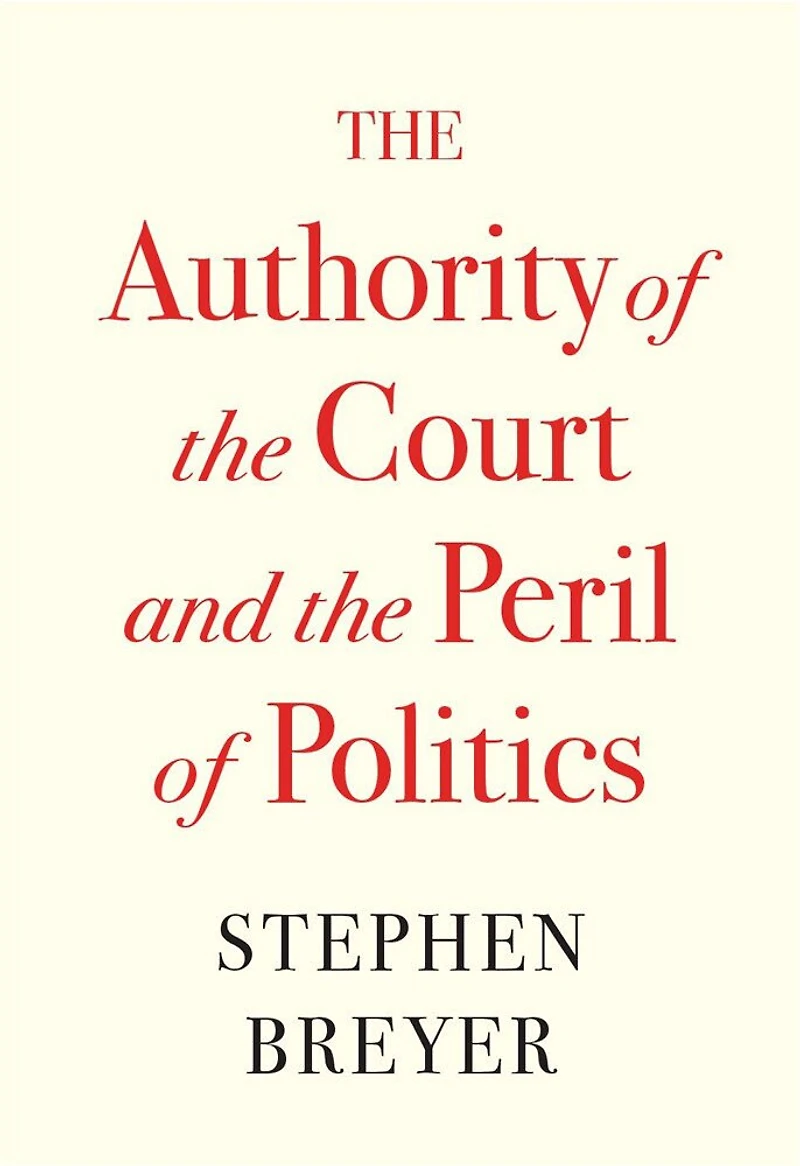
Authority of the Court and Peril Politics in Brampton, ON
Current price: $25.95
Coles
Authority of the Court and Peril Politics in Brampton, ON
Current price: $25.95
Loading Inventory...
Size: Hardcover
*Product information and pricing may vary - to confirm current pricing, availability, shipping, and return information please contact Coles. In the event of a pricing discrepancy, the retailer's price will apply.
A sitting justice reflects upon the authority of the Supreme Court—how that authority was gained and how measures to restructure the Court could undermine both the Court and the constitutional system of checks and balances that depends on it.
A growing chorus of officials and commentators argues that the Supreme Court has become too political. On this view the confirmation process is just an exercise in partisan agenda-setting, and the jurists are no more than “politicians in robes”—their ostensibly neutral judicial philosophies mere camouflage for conservative or liberal convictions.
Stephen Breyer, drawing upon his experience as a Supreme Court justice, sounds a cautionary note. Mindful of the Court’s history, he suggests that the judiciary’s hard-won authority could be marred by reforms premised on the assumption of ideological bias. Having, as Hamilton observed, “no influence over either the sword or the purse,” the Court earned its authority by making decisions that have, over time, increased the public’s trust. If public trust is now in decline, one part of the solution is to promote better understandings of how the judiciary actually works: how judges adhere to their oaths and how they try to avoid considerations of politics and popularity.
Breyer warns that political intervention could itself further erode public trust. Without the public’s trust, the Court would no longer be able to act as a check on the other branches of government or as a guarantor of the rule of law, risking serious harm to our constitutional system.
A sitting justice reflects upon the authority of the Supreme Court—how that authority was gained and how measures to restructure the Court could undermine both the Court and the constitutional system of checks and balances that depends on it.
A growing chorus of officials and commentators argues that the Supreme Court has become too political. On this view the confirmation process is just an exercise in partisan agenda-setting, and the jurists are no more than “politicians in robes”—their ostensibly neutral judicial philosophies mere camouflage for conservative or liberal convictions.
Stephen Breyer, drawing upon his experience as a Supreme Court justice, sounds a cautionary note. Mindful of the Court’s history, he suggests that the judiciary’s hard-won authority could be marred by reforms premised on the assumption of ideological bias. Having, as Hamilton observed, “no influence over either the sword or the purse,” the Court earned its authority by making decisions that have, over time, increased the public’s trust. If public trust is now in decline, one part of the solution is to promote better understandings of how the judiciary actually works: how judges adhere to their oaths and how they try to avoid considerations of politics and popularity.
Breyer warns that political intervention could itself further erode public trust. Without the public’s trust, the Court would no longer be able to act as a check on the other branches of government or as a guarantor of the rule of law, risking serious harm to our constitutional system.
You May Also Like









Find at Bramalea City Centre in Brampton, ON
Visit at Bramalea City Centre in Brampton, ON