



Gifting Made Simple
Give the Gift of ChoiceClick below to purchase a Bramalea City Centre eGift Card that can be used at participating retailers at Bramalea City Centre.Purchase HereHome
Auguste Comte and Positivism
Coles
Loading Inventory...
Auguste Comte and Positivism in Brampton, ON
Current price: $48.33
Coles
Auguste Comte and Positivism in Brampton, ON
Current price: $48.33
Loading Inventory...
Size: Paperback
*Product information and pricing may vary - to confirm current pricing, availability, shipping, and return information please contact Coles. In the event of a pricing discrepancy, the retailer's price will apply.
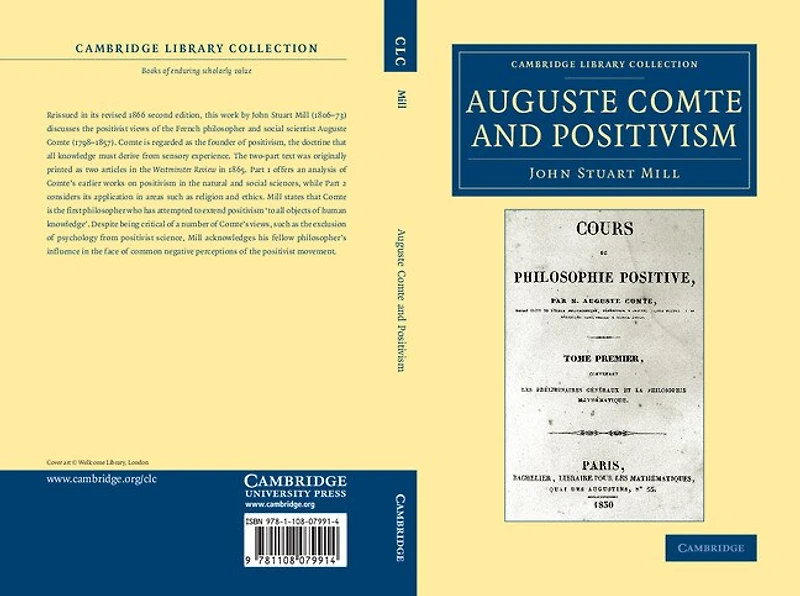
Reissued in its revised 1866 second edition, this work by John Stuart Mill (1806–73) discusses the positivist views of the French philosopher and social scientist Auguste Comte (1798–1857). Comte is regarded as the founder of positivism, the doctrine that all knowledge must derive from sensory experience. The two-part text was originally printed as two articles in the Westminster Review in 1865. Part 1 offers an analysis of Comte's earlier works on positivism in the natural and social sciences, while Part 2 considers its application in areas such as religion and ethics. Mill states that Comte is the first philosopher who has attempted to extend positivism 'to all objects of human knowledge'. Despite being critical of a number of Comte's views, such as the exclusion of psychology from positivist science, Mill acknowledges his fellow philosopher's influence in the face of common negative perceptions of the positivist movement.
Reissued in its revised 1866 second edition, this work by John Stuart Mill (1806–73) discusses the positivist views of the French philosopher and social scientist Auguste Comte (1798–1857). Comte is regarded as the founder of positivism, the doctrine that all knowledge must derive from sensory experience. The two-part text was originally printed as two articles in the Westminster Review in 1865. Part 1 offers an analysis of Comte's earlier works on positivism in the natural and social sciences, while Part 2 considers its application in areas such as religion and ethics. Mill states that Comte is the first philosopher who has attempted to extend positivism 'to all objects of human knowledge'. Despite being critical of a number of Comte's views, such as the exclusion of psychology from positivist science, Mill acknowledges his fellow philosopher's influence in the face of common negative perceptions of the positivist movement.
You May Also Like





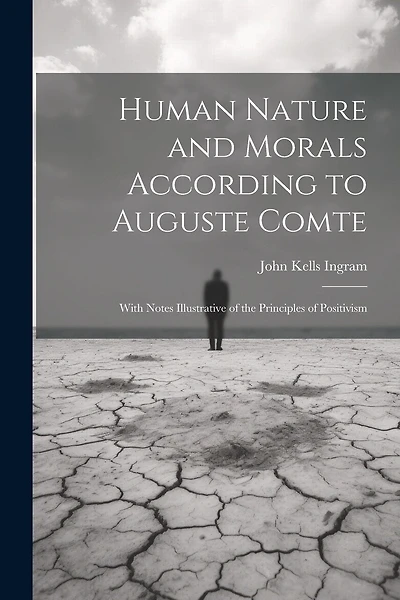










Find at Bramalea City Centre in Brampton, ON
Visit at Bramalea City Centre in Brampton, ON