



Gifting Made Simple
Give the Gift of ChoiceClick below to purchase a Bramalea City Centre eGift Card that can be used at participating retailers at Bramalea City Centre.Purchase HereHome
Athanasius and Constantius: Theology and Politics in the Constantinian Empire
Coles
Loading Inventory...
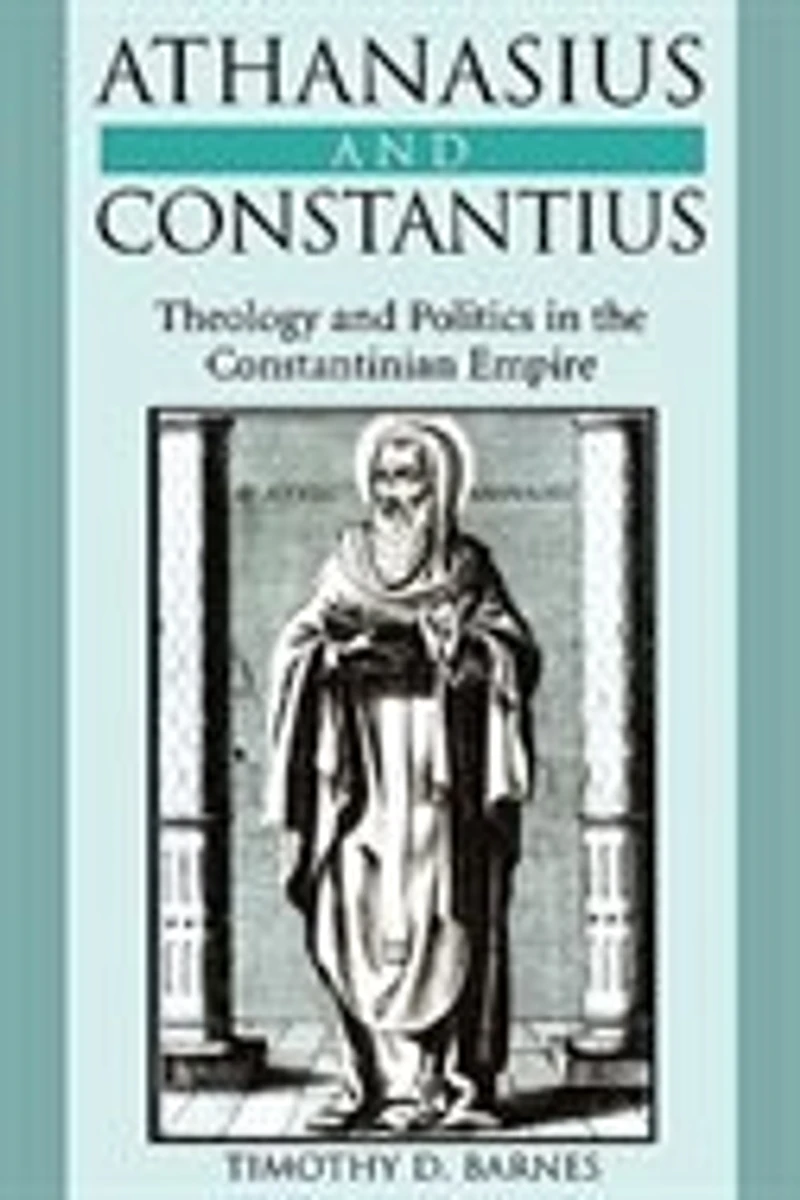
Athanasius and Constantius: Theology and Politics in the Constantinian Empire in Brampton, ON
Current price: $69.00
Coles
Athanasius and Constantius: Theology and Politics in the Constantinian Empire in Brampton, ON
Current price: $69.00
Loading Inventory...
Size: Paperback
*Product information and pricing may vary - to confirm current pricing, availability, shipping, and return information please contact Coles. In the event of a pricing discrepancy, the retailer's price will apply.
As the high-ranking Bishop of Alexandria from 328 to 373, Athanasius came into conflict with no fewer than four Roman emperors—Constantine himself, his son Constantius, Julian the Apostate, and the “Arian” Valens. In this new reconstruction of Athanasius’s career, Timothy D. Barnes analyzes the nature and extent of the Bishop’s power, especially as it intersected with the policies of these emperors.
Repeatedly condemned and deposed by church councils, the Bishop persistently resurfaced as a player to contend with in ecclesiastic and imperial politics. Barnes’s work reveals that Athanasius’s writings, though a significant source for this period, are riddled with deliberate misinterpretations, which historians through the ages have uncritically accepted.
Untangling longstanding misconceptions, Barnes reveals the Bishop’s true role in the struggles within Christianity, and in the relations between the Roman emperor and the Church at a critical juncture.
As the high-ranking Bishop of Alexandria from 328 to 373, Athanasius came into conflict with no fewer than four Roman emperors—Constantine himself, his son Constantius, Julian the Apostate, and the “Arian” Valens. In this new reconstruction of Athanasius’s career, Timothy D. Barnes analyzes the nature and extent of the Bishop’s power, especially as it intersected with the policies of these emperors.
Repeatedly condemned and deposed by church councils, the Bishop persistently resurfaced as a player to contend with in ecclesiastic and imperial politics. Barnes’s work reveals that Athanasius’s writings, though a significant source for this period, are riddled with deliberate misinterpretations, which historians through the ages have uncritically accepted.
Untangling longstanding misconceptions, Barnes reveals the Bishop’s true role in the struggles within Christianity, and in the relations between the Roman emperor and the Church at a critical juncture.
You May Also Like








Find at Bramalea City Centre in Brampton, ON
Visit at Bramalea City Centre in Brampton, ON