



Gifting Made Simple
Give the Gift of ChoiceClick below to purchase a Bramalea City Centre eGift Card that can be used at participating retailers at Bramalea City Centre.Purchase HereHome
At the End of All Things: Identifying the Ideal Reader of Revelation
Coles
Loading Inventory...
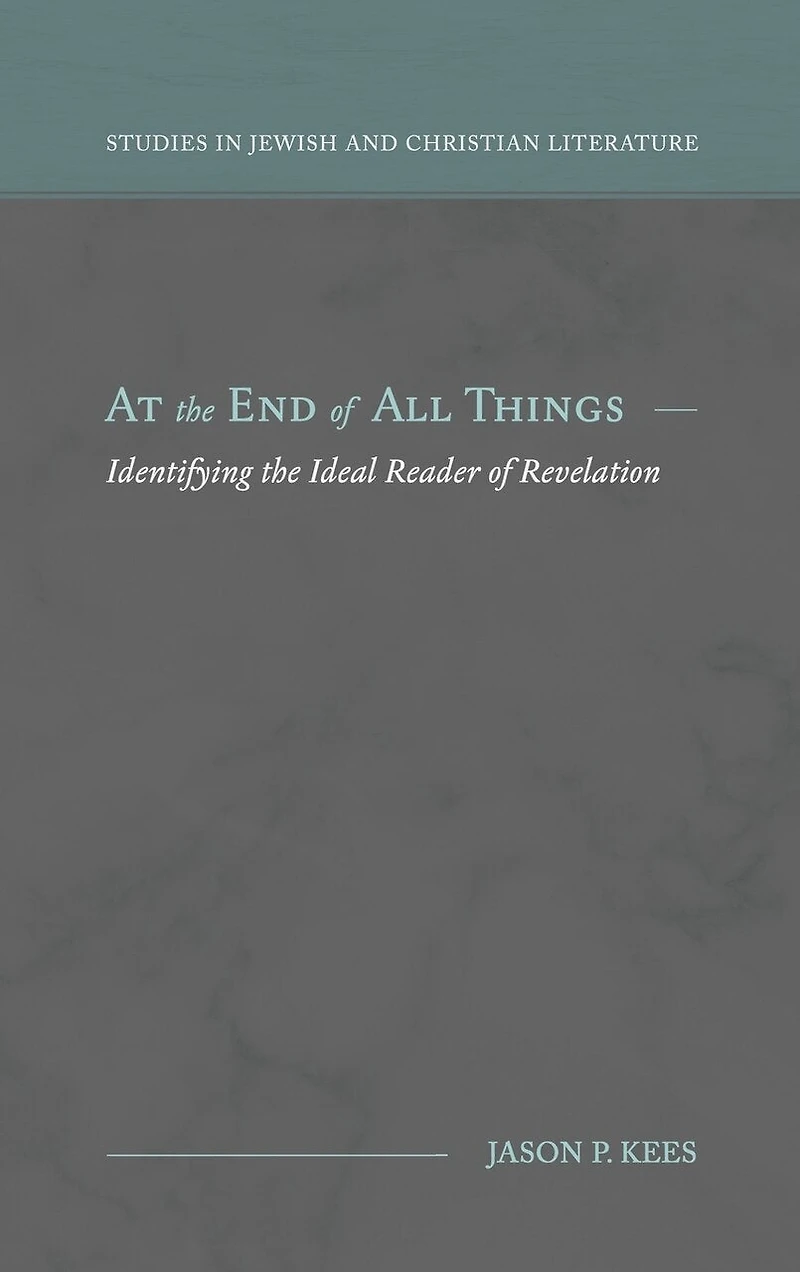
At the End of All Things: Identifying the Ideal Reader of Revelation in Brampton, ON
Current price: $60.99
Coles
At the End of All Things: Identifying the Ideal Reader of Revelation in Brampton, ON
Current price: $60.99
Loading Inventory...
Size: Hardcover
*Product information and pricing may vary - to confirm current pricing, availability, shipping, and return information please contact Coles. In the event of a pricing discrepancy, the retailer's price will apply.
John's Revelation integrates language and imagery from the Hebrew Bible, especially from Exodus, Isaiah, Ezekiel, and Daniel. While attention to John's use of the Hebrew Bible has contributed toward a helpful framework for interpreting Revelation's difficult themes and images, less attention has been given to John's integration of certain New Testament texts. At the End of All Things examines these potential verbal connections that Revelation shares with other New Testament texts. Furthermore, it provides a needed discussion of the canonical approach within New Testament scholarship. Reading through a canonical framework and focusing upon Revelation's placement within the New Testament canon, Kees argues that the ideal-reader of Revelation is one who is familiar with both the Old and New Testaments of the Christian canon.
John's Revelation integrates language and imagery from the Hebrew Bible, especially from Exodus, Isaiah, Ezekiel, and Daniel. While attention to John's use of the Hebrew Bible has contributed toward a helpful framework for interpreting Revelation's difficult themes and images, less attention has been given to John's integration of certain New Testament texts. At the End of All Things examines these potential verbal connections that Revelation shares with other New Testament texts. Furthermore, it provides a needed discussion of the canonical approach within New Testament scholarship. Reading through a canonical framework and focusing upon Revelation's placement within the New Testament canon, Kees argues that the ideal-reader of Revelation is one who is familiar with both the Old and New Testaments of the Christian canon.
You May Also Like
















Find at Bramalea City Centre in Brampton, ON
Visit at Bramalea City Centre in Brampton, ON