



Gifting Made Simple
Give the Gift of ChoiceClick below to purchase a Bramalea City Centre eGift Card that can be used at participating retailers at Bramalea City Centre.Purchase HereHome
Assembly Design and Planning: Methodologies and Applications
Coles
Loading Inventory...
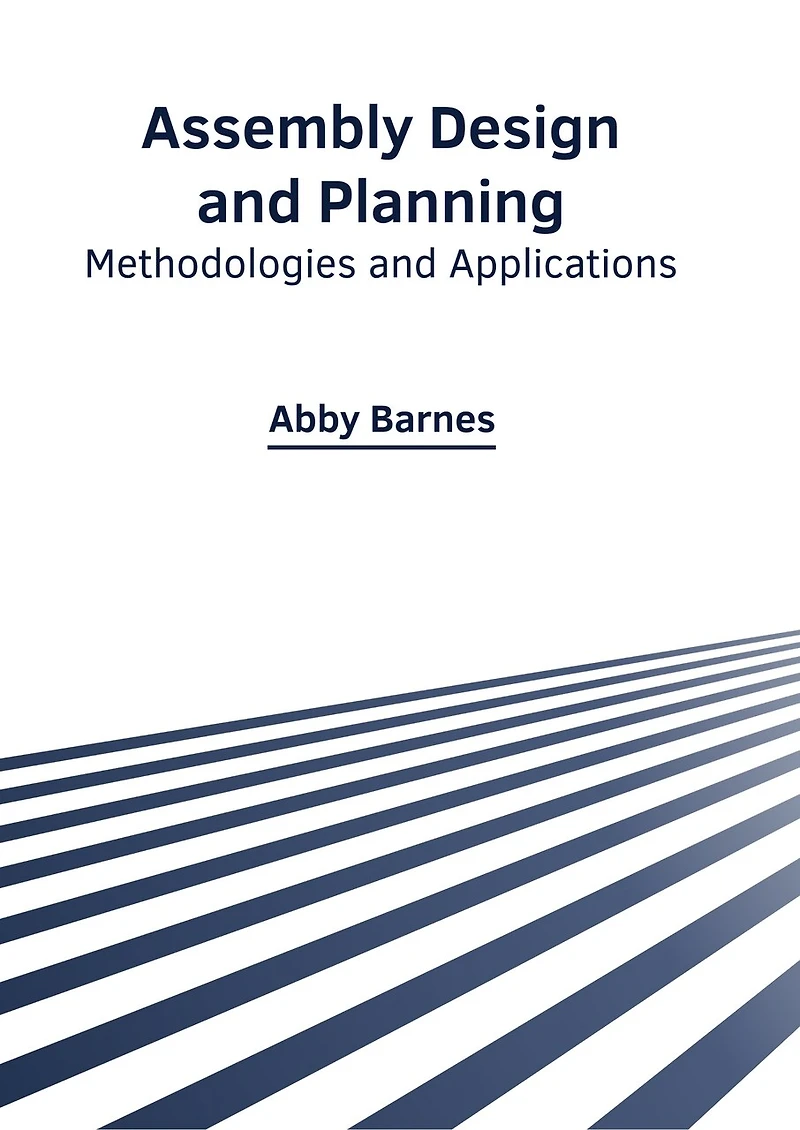
Assembly Design and Planning: Methodologies and Applications in Brampton, ON
Current price: $205.29
Coles
Assembly Design and Planning: Methodologies and Applications in Brampton, ON
Current price: $205.29
Loading Inventory...
Size: Hardcover
*Product information and pricing may vary - to confirm current pricing, availability, shipping, and return information please contact Coles. In the event of a pricing discrepancy, the retailer's price will apply.
Assembly design, formally known as design-for-assembly (DFA), refers to a set of best practices for manufacturing a product aimed at making it easier to assemble and manufacture a product, reducing the part count, minimizing the stages of assembly process, and mistake-proofing the assembly process as far as possible. The most important application of assembly design is product manufacturing. Assembly design techniques can be applied to products assembled manually or automatically. Assembly design makes use of one or the other type of assembly line for manufacturing products. In an assembly line, different machines and workers are arranged in a pre-defined sequence. Each location on the assembly line where a worker processes a product using the given machine is called a workstation. The products or the semi-finished products move from one workstation to another while they are being built. The use of assembly lines help in reducing the ergonomic strain and high labor costs. Automation of assembly lines is commonly done using highly rigid kinematic structures in special machines to ensure accuracy. There are two basic assembly design methodologies namely bottom-up design and top-down design. This book outlines the methodologies and applications of assembly design along with its planning aspects. It will help new researchers by foregrounding their knowledge in this area of study.
Assembly design, formally known as design-for-assembly (DFA), refers to a set of best practices for manufacturing a product aimed at making it easier to assemble and manufacture a product, reducing the part count, minimizing the stages of assembly process, and mistake-proofing the assembly process as far as possible. The most important application of assembly design is product manufacturing. Assembly design techniques can be applied to products assembled manually or automatically. Assembly design makes use of one or the other type of assembly line for manufacturing products. In an assembly line, different machines and workers are arranged in a pre-defined sequence. Each location on the assembly line where a worker processes a product using the given machine is called a workstation. The products or the semi-finished products move from one workstation to another while they are being built. The use of assembly lines help in reducing the ergonomic strain and high labor costs. Automation of assembly lines is commonly done using highly rigid kinematic structures in special machines to ensure accuracy. There are two basic assembly design methodologies namely bottom-up design and top-down design. This book outlines the methodologies and applications of assembly design along with its planning aspects. It will help new researchers by foregrounding their knowledge in this area of study.
You May Also Like
















Find at Bramalea City Centre in Brampton, ON
Visit at Bramalea City Centre in Brampton, ON