



Gifting Made Simple
Give the Gift of ChoiceClick below to purchase a Bramalea City Centre eGift Card that can be used at participating retailers at Bramalea City Centre.Purchase HereHome
Aspasius, Michael of Ephesus, Anonymous: On Aristotle Nicomachean Ethics 8-9
Coles
Loading Inventory...
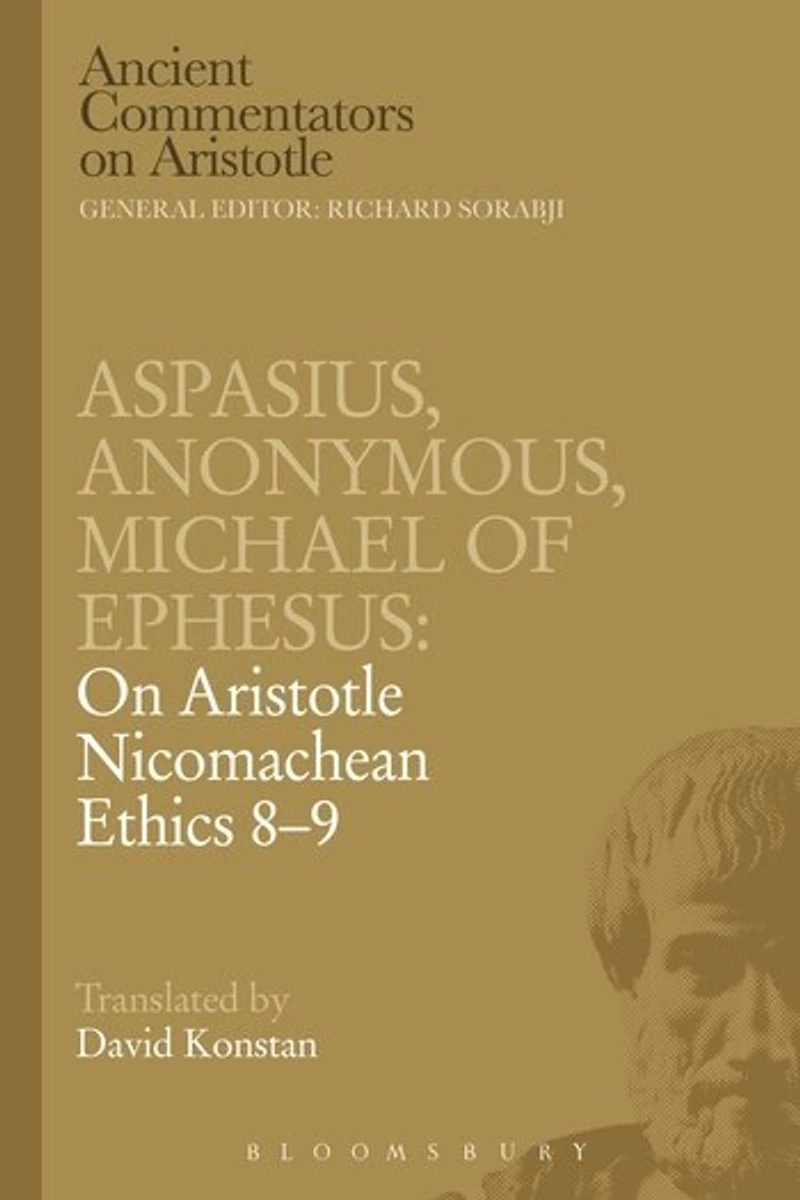
Aspasius, Michael of Ephesus, Anonymous: On Aristotle Nicomachean Ethics 8-9 in Brampton, ON
Current price: $77.50
Coles
Aspasius, Michael of Ephesus, Anonymous: On Aristotle Nicomachean Ethics 8-9 in Brampton, ON
Current price: $77.50
Loading Inventory...
Size: Paperback
*Product information and pricing may vary - to confirm current pricing, availability, shipping, and return information please contact Coles. In the event of a pricing discrepancy, the retailer's price will apply.
Aristotle devotes books 8-9 of the Nicomachean Ethics to friendship, distinguishing three kinds: a primary kind motivated by the other's character; and other kinds motivated by utility or pleasure. He takes up Plato's idea that one knows oneself better as reflected in another's eyes, as providing one of the benefits of friendship, and he also sees true friendship as modelled on true self-love. He further compares friendship with justice, and illustrates the ubiquity of friendship by referring to the way in which we help wayfarers as if they were kin (oikeion), a word he takes from Plato's discussion of love. In many of these respects he probably influenced the Stoic theory of justice as based on the natural kinship (oikeiotes) one feels initially for oneself at birth and, eventually, for lost wayfarers. Of the three commentaries translated here, that by the second-century AD Aristotelian Aspasius is the earliest extant commentary on Aristotle; the second is by Michael of Ephesus in the twelfth century; the third is of unknown date and authorship. Aspasius worries whether there is only one kind of friendship with a single definition.But he plumps for a verdict not given by Aristotle, that the primary kind of friendship serves as a focal point for defining the other two. Aspasius picks up connections with his Stoic contemporaries. Michael cites Christians and draws from Neoplatonists the idea that there is a self-aware part of the soul, and that Aristotle saw individuals as bundles of properties.
Aristotle devotes books 8-9 of the Nicomachean Ethics to friendship, distinguishing three kinds: a primary kind motivated by the other's character; and other kinds motivated by utility or pleasure. He takes up Plato's idea that one knows oneself better as reflected in another's eyes, as providing one of the benefits of friendship, and he also sees true friendship as modelled on true self-love. He further compares friendship with justice, and illustrates the ubiquity of friendship by referring to the way in which we help wayfarers as if they were kin (oikeion), a word he takes from Plato's discussion of love. In many of these respects he probably influenced the Stoic theory of justice as based on the natural kinship (oikeiotes) one feels initially for oneself at birth and, eventually, for lost wayfarers. Of the three commentaries translated here, that by the second-century AD Aristotelian Aspasius is the earliest extant commentary on Aristotle; the second is by Michael of Ephesus in the twelfth century; the third is of unknown date and authorship. Aspasius worries whether there is only one kind of friendship with a single definition.But he plumps for a verdict not given by Aristotle, that the primary kind of friendship serves as a focal point for defining the other two. Aspasius picks up connections with his Stoic contemporaries. Michael cites Christians and draws from Neoplatonists the idea that there is a self-aware part of the soul, and that Aristotle saw individuals as bundles of properties.
You May Also Like











Find at Bramalea City Centre in Brampton, ON
Visit at Bramalea City Centre in Brampton, ON