



Gifting Made Simple
Give the Gift of ChoiceClick below to purchase a Bramalea City Centre eGift Card that can be used at participating retailers at Bramalea City Centre.Purchase HereHome
Artificial Organ Engineering
Coles
Loading Inventory...
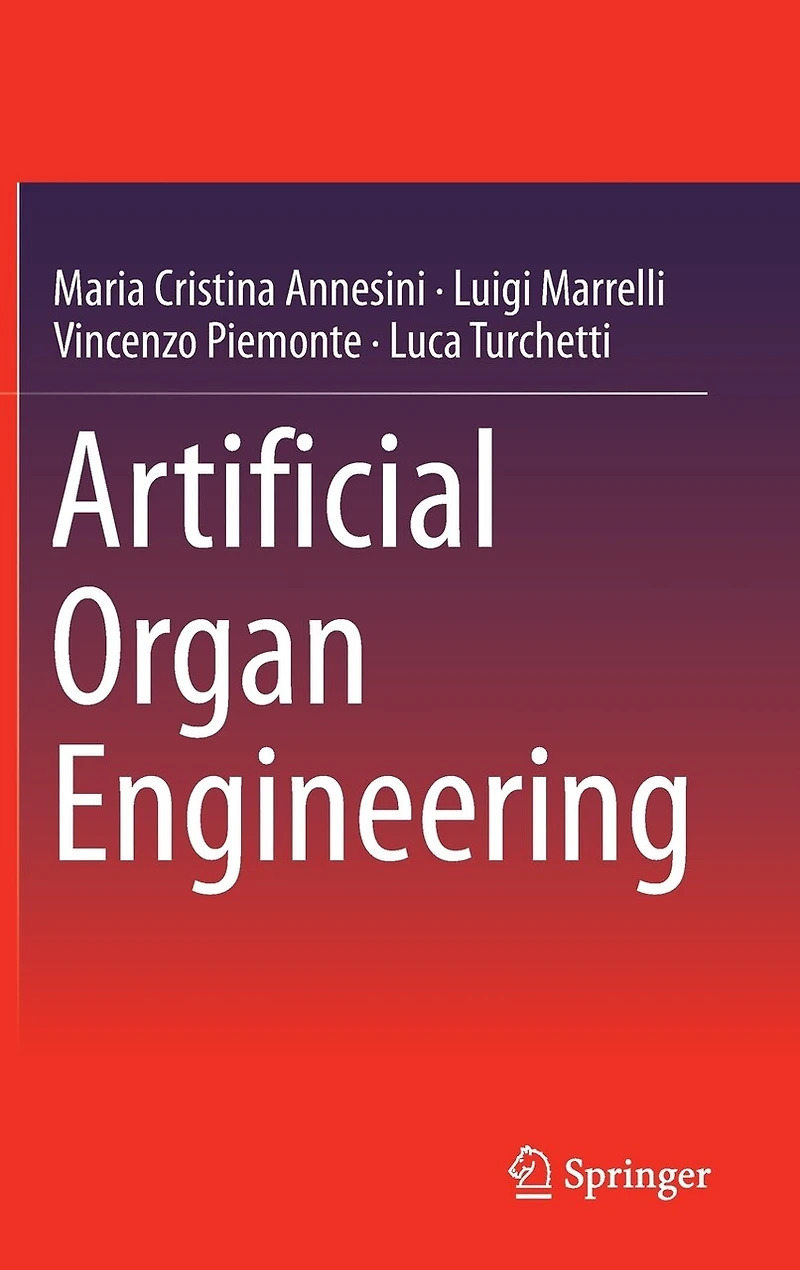
Artificial Organ Engineering in Brampton, ON
Current price: $175.50
Coles
Artificial Organ Engineering in Brampton, ON
Current price: $175.50
Loading Inventory...
Size: Hardcover
*Product information and pricing may vary - to confirm current pricing, availability, shipping, and return information please contact Coles. In the event of a pricing discrepancy, the retailer's price will apply.
Artificial organs may be considered as small-scale process plants, in which heat, mass and momentum transfer operations and, possibly, chemical transformations are carried out. This book proposes a novel analysis of artificial organs based on the typical bottom-up approach used in process engineering. Starting from a description of the fundamental physico-chemical phenomena involved in the process, the whole system is rebuilt as an interconnected ensemble of elemental unit operations. Each artificial organ is presented with a short introduction provided by expert clinicians. Devices commonly used in clinical practice are reviewed and their performance is assessed and compared by using a mathematical model based approach. Whilst mathematical modelling is a fundamental tool for quantitative descriptions of clinical devices, models are kept simple to remain focused on the essential features of each process. Postgraduate students and researchers in the field of chemical andbiomedical engineering will find that this book provides a novel and useful tool for the analysis of existing devices and, possibly, the design of new ones. This approach will also be useful for medical researchers who want to get a deeper insight into the basic working principles of artificial organs.
Artificial organs may be considered as small-scale process plants, in which heat, mass and momentum transfer operations and, possibly, chemical transformations are carried out. This book proposes a novel analysis of artificial organs based on the typical bottom-up approach used in process engineering. Starting from a description of the fundamental physico-chemical phenomena involved in the process, the whole system is rebuilt as an interconnected ensemble of elemental unit operations. Each artificial organ is presented with a short introduction provided by expert clinicians. Devices commonly used in clinical practice are reviewed and their performance is assessed and compared by using a mathematical model based approach. Whilst mathematical modelling is a fundamental tool for quantitative descriptions of clinical devices, models are kept simple to remain focused on the essential features of each process. Postgraduate students and researchers in the field of chemical andbiomedical engineering will find that this book provides a novel and useful tool for the analysis of existing devices and, possibly, the design of new ones. This approach will also be useful for medical researchers who want to get a deeper insight into the basic working principles of artificial organs.
You May Also Like









Find at Bramalea City Centre in Brampton, ON
Visit at Bramalea City Centre in Brampton, ON