



Gifting Made Simple
Give the Gift of ChoiceClick below to purchase a Bramalea City Centre eGift Card that can be used at participating retailers at Bramalea City Centre.Purchase HereHome
Artifact Recovery: The material management field guide
Coles
Loading Inventory...
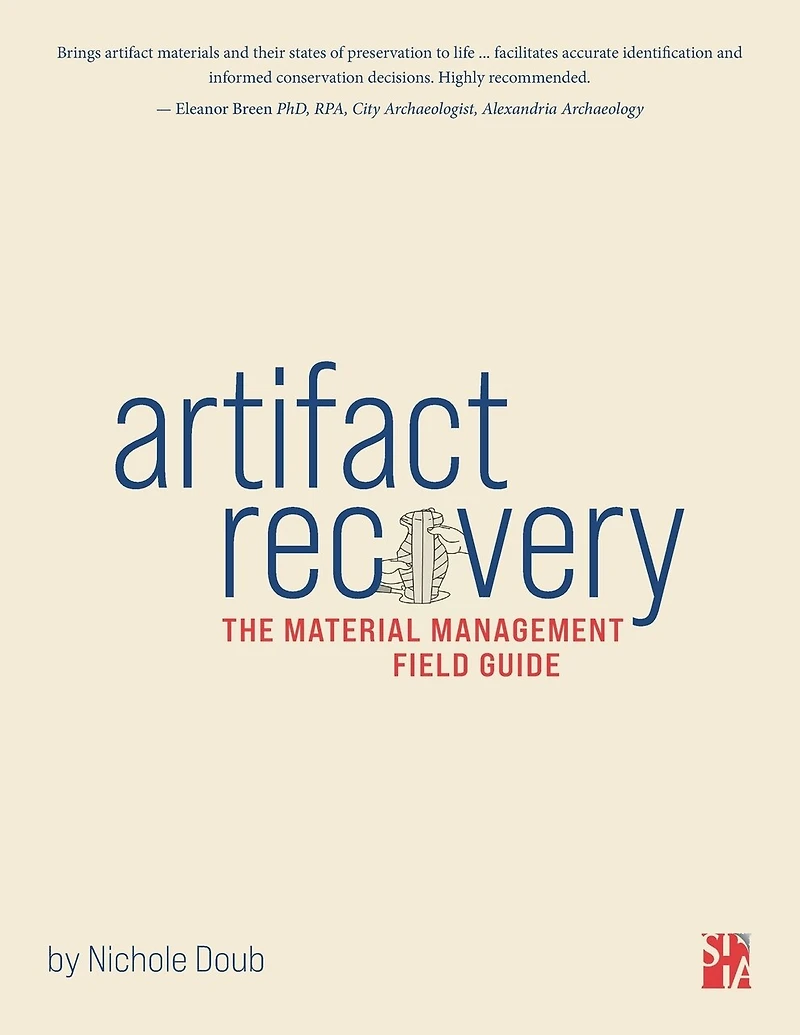
Artifact Recovery: The material management field guide in Brampton, ON
Current price: $33.99
Coles
Artifact Recovery: The material management field guide in Brampton, ON
Current price: $33.99
Loading Inventory...
Size: Paperback
*Product information and pricing may vary - to confirm current pricing, availability, shipping, and return information please contact Coles. In the event of a pricing discrepancy, the retailer's price will apply.
A resource long needed in CRM.
Cultural contexts and artifact identification tend to be the focus of archaeological education, with comparatively little emphasis on the actual materials that were used in the fabrication of the objects we recover, or why that information might even be relevant.
Artifact Recovery successfully provides a basic introduction to the chemistry of those artifacts and materials most commonly recovered from North American post- contact sites, as well as context for how they deteriorate upon excavation and how our recovery methods, packaging, lab processing, and storage methods impact their preservation.
The historic archaeological record can obviously yield a bewildering variety of objects, and in such an environment we all have blind spots. Doub acknowledges that no one can be an expert in every area of artifact identification, but she has created this highly accessible field and lab manual by reducing that record to the foundational material categories of metals, organics, skeletal materials, and synthetics.
-Thomas J. Kutys Archaeology Laboratory Manager, AECOM
A resource long needed in CRM.
Cultural contexts and artifact identification tend to be the focus of archaeological education, with comparatively little emphasis on the actual materials that were used in the fabrication of the objects we recover, or why that information might even be relevant.
Artifact Recovery successfully provides a basic introduction to the chemistry of those artifacts and materials most commonly recovered from North American post- contact sites, as well as context for how they deteriorate upon excavation and how our recovery methods, packaging, lab processing, and storage methods impact their preservation.
The historic archaeological record can obviously yield a bewildering variety of objects, and in such an environment we all have blind spots. Doub acknowledges that no one can be an expert in every area of artifact identification, but she has created this highly accessible field and lab manual by reducing that record to the foundational material categories of metals, organics, skeletal materials, and synthetics.
-Thomas J. Kutys Archaeology Laboratory Manager, AECOM
You May Also Like
















Find at Bramalea City Centre in Brampton, ON
Visit at Bramalea City Centre in Brampton, ON