



Gifting Made Simple
Give the Gift of ChoiceClick below to purchase a Bramalea City Centre eGift Card that can be used at participating retailers at Bramalea City Centre.Purchase HereHome
Art As Politics in the Third Reich
Coles
Loading Inventory...
Art As Politics in the Third Reich in Brampton, ON
Current price: $64.95
Coles
Art As Politics in the Third Reich in Brampton, ON
Current price: $64.95
Loading Inventory...
Size: Paperback
*Product information and pricing may vary - to confirm current pricing, availability, shipping, and return information please contact Coles. In the event of a pricing discrepancy, the retailer's price will apply.
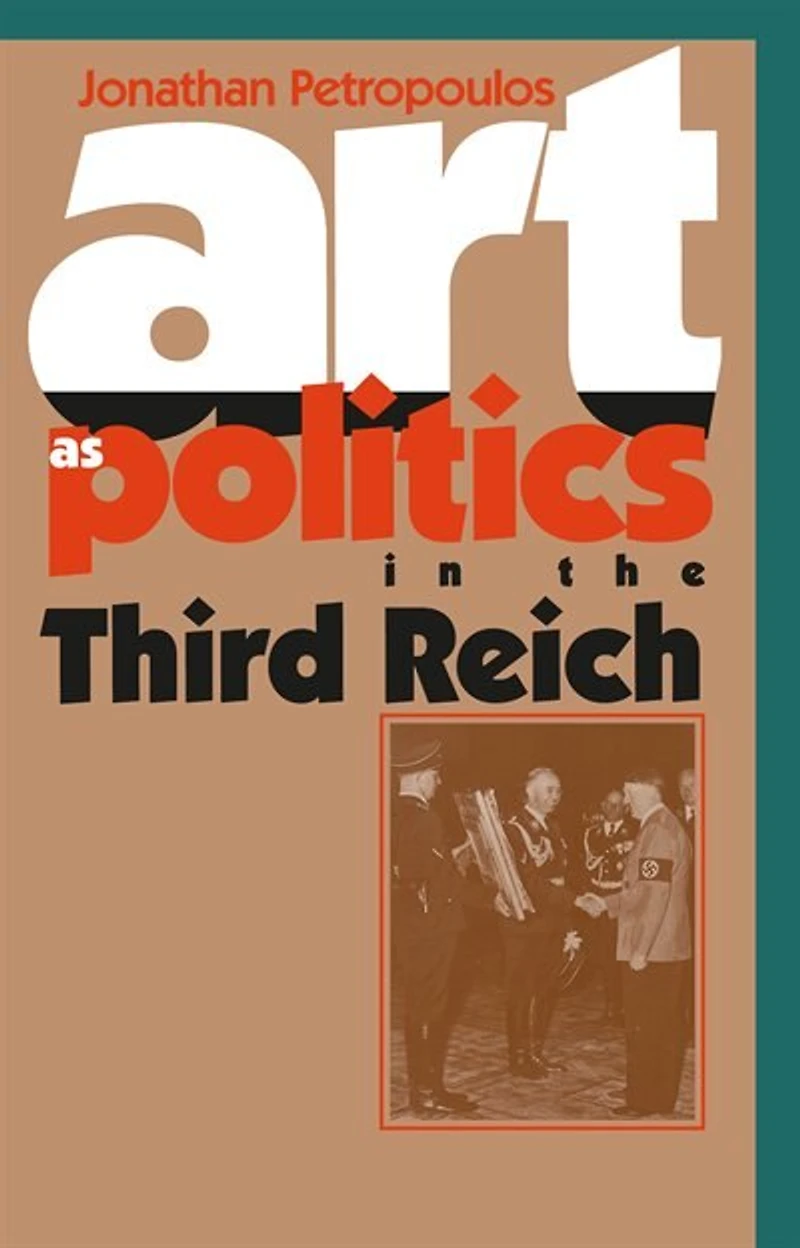
The political elite of Nazi Germany perceived itself as a cultural elite as well. In Art as Politics in the Third Reich , Jonathan Petropoulos explores the elite’s cultural aspirations by examining both the formulation of a national aesthetic policy and the content of the private art collections held by high-ranking Nazis. He demonstrates that these leaders manipulated public policy and their own collecting patterns to articulate fundamental tenets of Nazi ideology.
Petropoulos begins by tracing the evolution of official aesthetic policy, from the purges of museum staff and academics labeled as 'undesirable' in 1933 to the confiscation of Jewish-owned artworks in the late 1930s and the organized plundering of art from occupied areas during the war. He then reconstructs the collections of a dozen prominent Nazi officials — including Hitler, Göring, Goebbels, Himmler, Speer, and Ribbentrop — and argues that their private holdings defined their relationships to one another within the Nazi hierarchy in addition to reflecting their racist and nationalist beliefs. According to Petropoulos, art collecting offered the political elite a way to achieve legitimacy and social standing, thereby providing a common cultural language for the leaders of the Third Reich.
The political elite of Nazi Germany perceived itself as a cultural elite as well. In Art as Politics in the Third Reich , Jonathan Petropoulos explores the elite’s cultural aspirations by examining both the formulation of a national aesthetic policy and the content of the private art collections held by high-ranking Nazis. He demonstrates that these leaders manipulated public policy and their own collecting patterns to articulate fundamental tenets of Nazi ideology.
Petropoulos begins by tracing the evolution of official aesthetic policy, from the purges of museum staff and academics labeled as 'undesirable' in 1933 to the confiscation of Jewish-owned artworks in the late 1930s and the organized plundering of art from occupied areas during the war. He then reconstructs the collections of a dozen prominent Nazi officials — including Hitler, Göring, Goebbels, Himmler, Speer, and Ribbentrop — and argues that their private holdings defined their relationships to one another within the Nazi hierarchy in addition to reflecting their racist and nationalist beliefs. According to Petropoulos, art collecting offered the political elite a way to achieve legitimacy and social standing, thereby providing a common cultural language for the leaders of the Third Reich.
You May Also Like












Find at Bramalea City Centre in Brampton, ON
Visit at Bramalea City Centre in Brampton, ON