



Gifting Made Simple
Give the Gift of ChoiceClick below to purchase a Bramalea City Centre eGift Card that can be used at participating retailers at Bramalea City Centre.Purchase HereHome
Arminius and the Reformed Tradition: Grace Doctrine of Salvation
Coles
Loading Inventory...
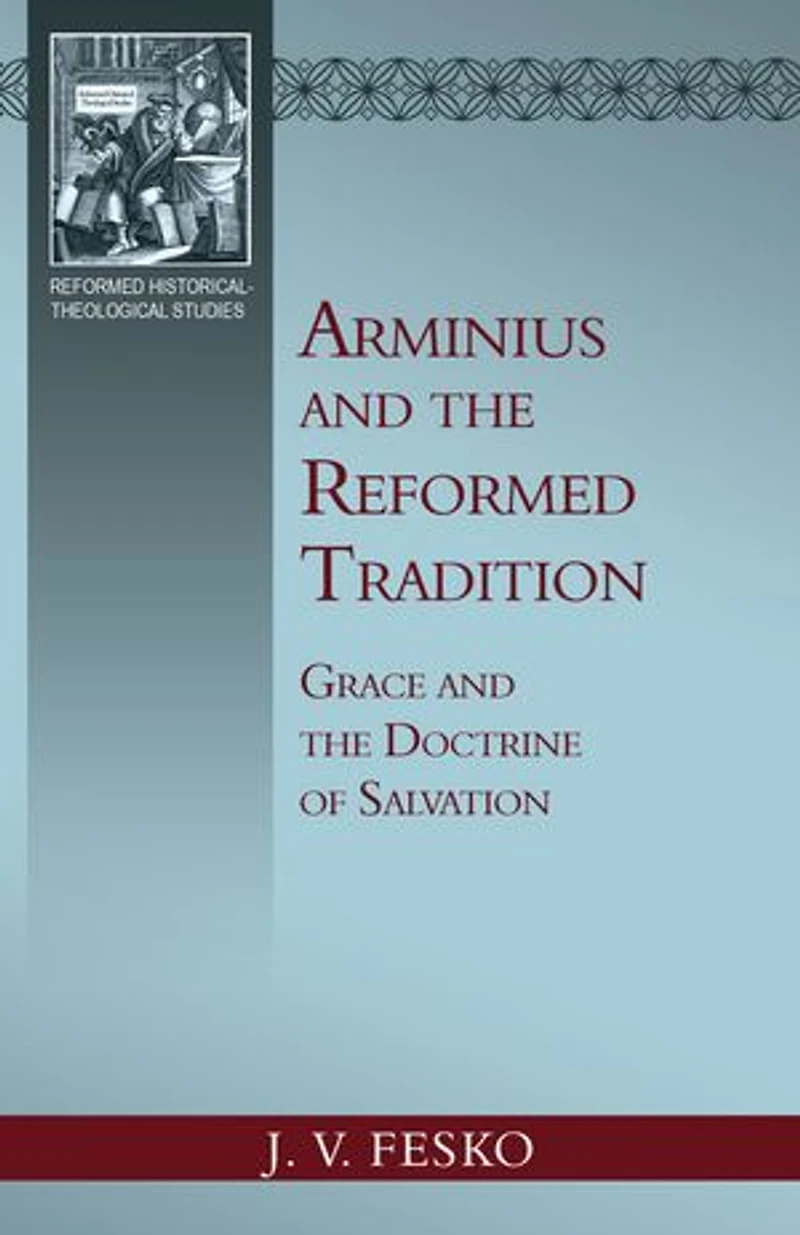
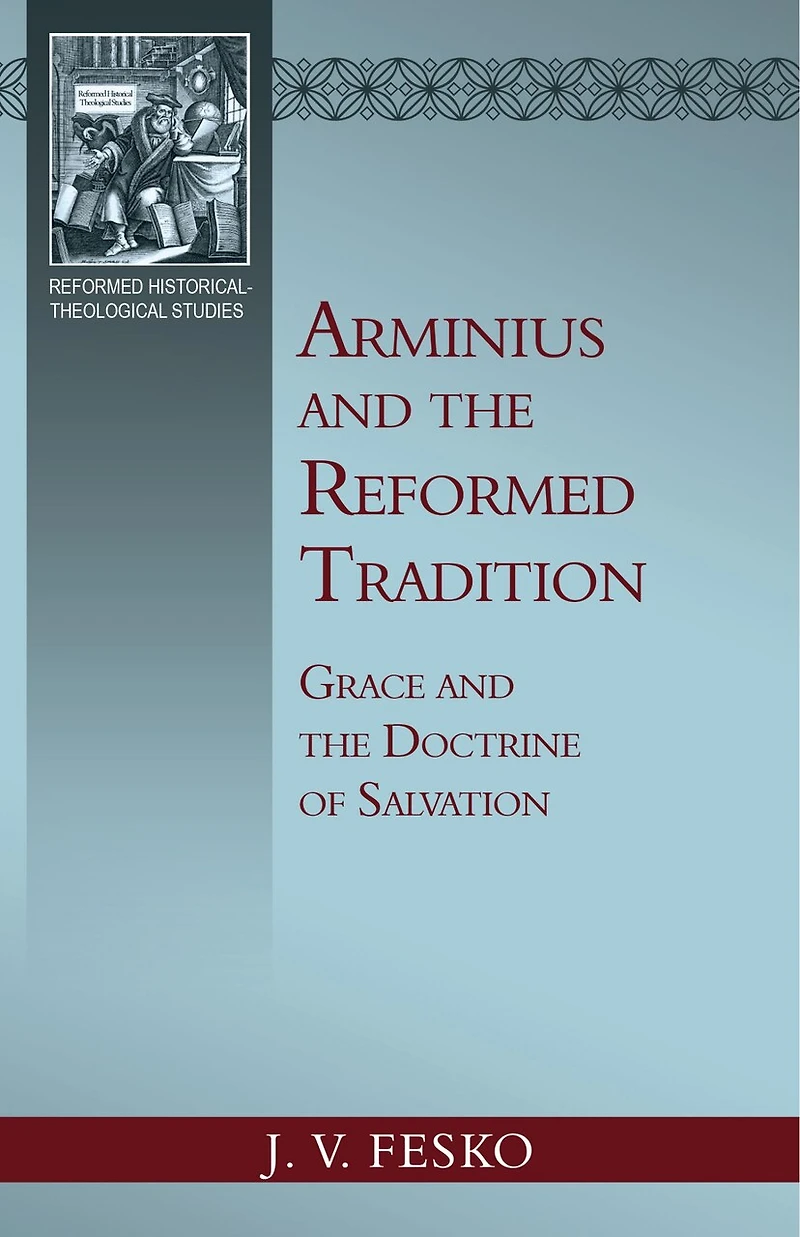
Arminius and the Reformed Tradition: Grace Doctrine of Salvation in Brampton, ON
Current price: $27.19
Original price: $33.93
Coles
Arminius and the Reformed Tradition: Grace Doctrine of Salvation in Brampton, ON
Current price: $27.19
Original price: $33.93
Loading Inventory...
Size: Kobo eBook
*Product information and pricing may vary - to confirm current pricing, availability, shipping, and return information please contact Coles. In the event of a pricing discrepancy, the retailer's price will apply.
Some scholars argue that Jacob Arminius was a Reformed theologian and held to the basic tenets of Reformed soteriology. But is this the best way to understand Arminius? In this perceptive set of essays, J. V. Fesko reassesses the context and meaning of Arminius’s writings on topics such as predestination, effectual calling, union with Christ, justification, and perseverance. Granting that Arminius ministered within the Reformed church and held many theological points of continuity with Reformed orthodoxy, Fesko demonstrates that Arminius’s understanding of salvation differed significantly enough from confessional norms to conclude that he presented an alternative Protestant conception of soteriology. To view his soteriology as anything less is an effort to rewrite history and even to disrespect Arminius’s work.
Some scholars argue that Jacob Arminius was a Reformed theologian and held to the basic tenets of Reformed soteriology. But is this the best way to understand Arminius? In this perceptive set of essays, J. V. Fesko reassesses the context and meaning of Arminius’s writings on topics such as predestination, effectual calling, union with Christ, justification, and perseverance. Granting that Arminius ministered within the Reformed church and held many theological points of continuity with Reformed orthodoxy, Fesko demonstrates that Arminius’s understanding of salvation differed significantly enough from confessional norms to conclude that he presented an alternative Protestant conception of soteriology. To view his soteriology as anything less is an effort to rewrite history and even to disrespect Arminius’s work.
You May Also Like











Find at Bramalea City Centre in Brampton, ON
Visit at Bramalea City Centre in Brampton, ON