



Gifting Made Simple
Give the Gift of ChoiceClick below to purchase a Bramalea City Centre eGift Card that can be used at participating retailers at Bramalea City Centre.Purchase HereHome
Armies of Homeric Greece, 1750 to 500 BC: The Minoan, Mycenaean, Dark Age and Archaic Greek Periods
Coles
Loading Inventory...

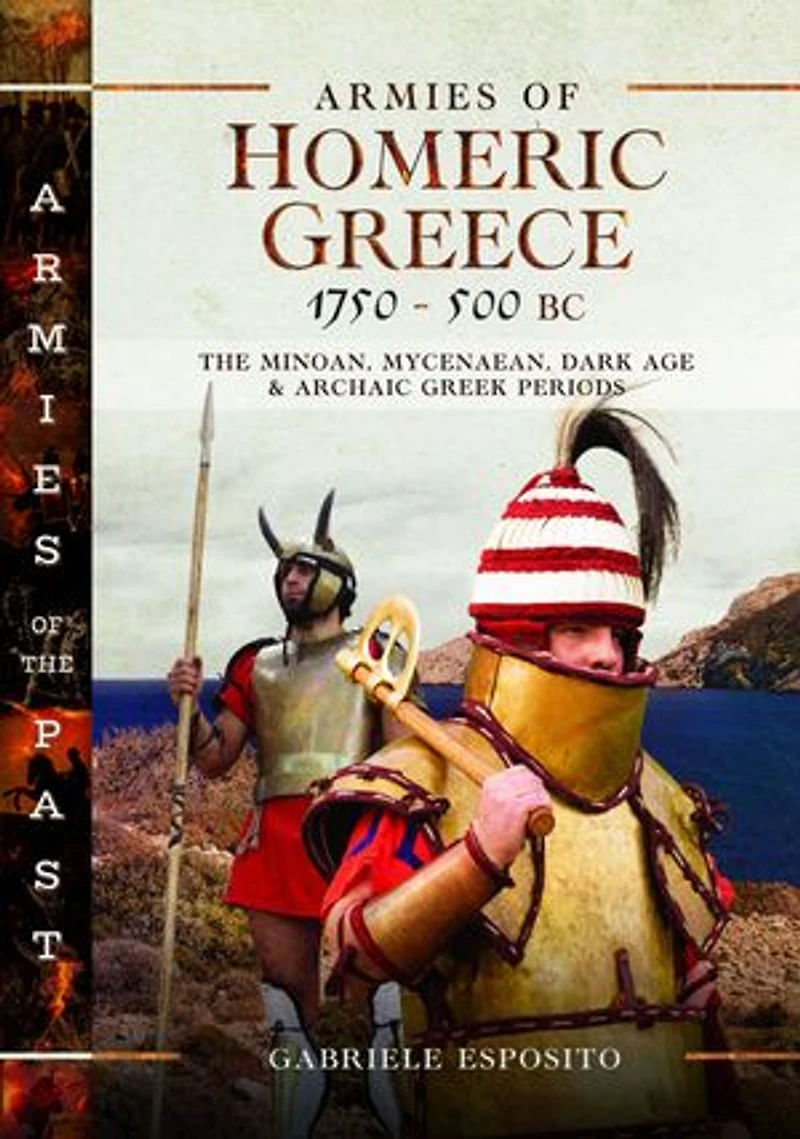
Armies of Homeric Greece, 1750 to 500 BC: The Minoan, Mycenaean, Dark Age and Archaic Greek Periods in Brampton, ON
Current price: $51.50
Coles
Armies of Homeric Greece, 1750 to 500 BC: The Minoan, Mycenaean, Dark Age and Archaic Greek Periods in Brampton, ON
Current price: $51.50
Loading Inventory...
Size: Hardcover
*Product information and pricing may vary - to confirm current pricing, availability, shipping, and return information please contact Coles. In the event of a pricing discrepancy, the retailer's price will apply.
Gabriele Esposito offers a fascinating overview of warriors, weapons and warfare in the Greek world during the approximate period of 1750 to 500 BC. This period predates the familiar Classical Greek world and much of it is shrouded by the mists of time and interwoven with myth and legend but much has been revealed by archaeology and surviving pictorial representations. And, of course, we have the epic poetry attributed to Homer, which describes the Trojan War and its aftermath. The Minoan civilization, based on Cyprus, built an empire that dominated the eastern Aegean through seapower. The Mycenaean culture, which absorbed the Minoans around 1450 BC, was a real superpower of the Bronze Age, interacting as equals with the great Middle Eastern empires of the Hitties and Egyptians. Mycenaean warlords, ruling from fortified palaces, often fought one another but united under the legendary Agamemnon to lay siege to Troy. The Trojan War was, arguably, the last great historical event of the Aegean Bronze Age and the Mycenaean civilization collapsed shortly after, due in part to the influx to mainland Greece of the equally warlike Dorians. Greece was plunged into the 'Dark Age' from which the famous city-states only gradually emerged into the Archaic Period. Gabriele describes the fighting men of this age of heroes, looking in detail at weapons, armour and the changing nature of the endemic conflicts. His clear, accessible text is supported by dozens of colour images of replica weapons, armour and clothing in use.
Gabriele Esposito offers a fascinating overview of warriors, weapons and warfare in the Greek world during the approximate period of 1750 to 500 BC. This period predates the familiar Classical Greek world and much of it is shrouded by the mists of time and interwoven with myth and legend but much has been revealed by archaeology and surviving pictorial representations. And, of course, we have the epic poetry attributed to Homer, which describes the Trojan War and its aftermath. The Minoan civilization, based on Cyprus, built an empire that dominated the eastern Aegean through seapower. The Mycenaean culture, which absorbed the Minoans around 1450 BC, was a real superpower of the Bronze Age, interacting as equals with the great Middle Eastern empires of the Hitties and Egyptians. Mycenaean warlords, ruling from fortified palaces, often fought one another but united under the legendary Agamemnon to lay siege to Troy. The Trojan War was, arguably, the last great historical event of the Aegean Bronze Age and the Mycenaean civilization collapsed shortly after, due in part to the influx to mainland Greece of the equally warlike Dorians. Greece was plunged into the 'Dark Age' from which the famous city-states only gradually emerged into the Archaic Period. Gabriele describes the fighting men of this age of heroes, looking in detail at weapons, armour and the changing nature of the endemic conflicts. His clear, accessible text is supported by dozens of colour images of replica weapons, armour and clothing in use.
You May Also Like








Find at Bramalea City Centre in Brampton, ON
Visit at Bramalea City Centre in Brampton, ON