



Gifting Made Simple
Give the Gift of ChoiceClick below to purchase a Bramalea City Centre eGift Card that can be used at participating retailers at Bramalea City Centre.Purchase HereHome
Aristotle's Metaphysics 1?3: On the Essence and Actuality of Force
Coles
Loading Inventory...
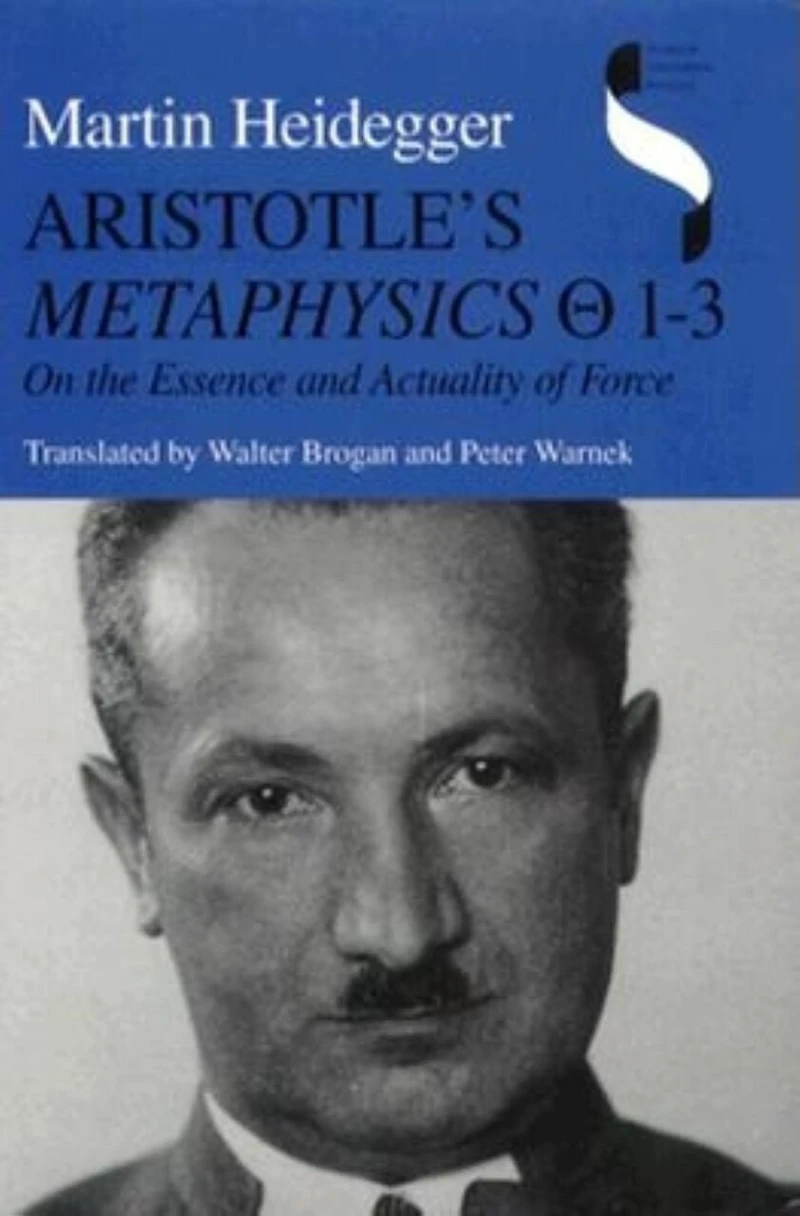
Aristotle's Metaphysics 1?3: On the Essence and Actuality of Force in Brampton, ON
Current price: $47.09
Coles
Aristotle's Metaphysics 1?3: On the Essence and Actuality of Force in Brampton, ON
Current price: $47.09
Loading Inventory...
Size: Hardcover
*Product information and pricing may vary - to confirm current pricing, availability, shipping, and return information please contact Coles. In the event of a pricing discrepancy, the retailer's price will apply.
Martin Heidegger's reading of Aristotle was one of the pivotal influences in the development of his philosophy. First published in German in 1981 as volume 33 of Heidegger's Collected Works, this book translates a lecture course he presented at the University of Freiburg in 1931. Heidegger's careful translation and his probing commentary on the first three chapters of Book IX of Metaphysics show the close correlation between his phenomenological interpretation of the Greeks (especially of Aristotle) and his critique of metaphysics. Additionally, Heidegger's confrontation with Aristotle's Greek text makes a significant contribution to contemporary scholarship on Aristotle, particularly the understanding of potentiality in Aristotle's thought. Finally, the book exemplifies Heidegger's gift for teaching students how to read a philosophical text and how to question that text in a philosophical way.
Martin Heidegger's reading of Aristotle was one of the pivotal influences in the development of his philosophy. First published in German in 1981 as volume 33 of Heidegger's Collected Works, this book translates a lecture course he presented at the University of Freiburg in 1931. Heidegger's careful translation and his probing commentary on the first three chapters of Book IX of Metaphysics show the close correlation between his phenomenological interpretation of the Greeks (especially of Aristotle) and his critique of metaphysics. Additionally, Heidegger's confrontation with Aristotle's Greek text makes a significant contribution to contemporary scholarship on Aristotle, particularly the understanding of potentiality in Aristotle's thought. Finally, the book exemplifies Heidegger's gift for teaching students how to read a philosophical text and how to question that text in a philosophical way.
You May Also Like










Find at Bramalea City Centre in Brampton, ON
Visit at Bramalea City Centre in Brampton, ON