



Gifting Made Simple
Give the Gift of ChoiceClick below to purchase a Bramalea City Centre eGift Card that can be used at participating retailers at Bramalea City Centre.Purchase HereHome
Aristotle and the Ethics of Difference, Friendship, and Equality: The Plurality of Rule
Coles
Loading Inventory...
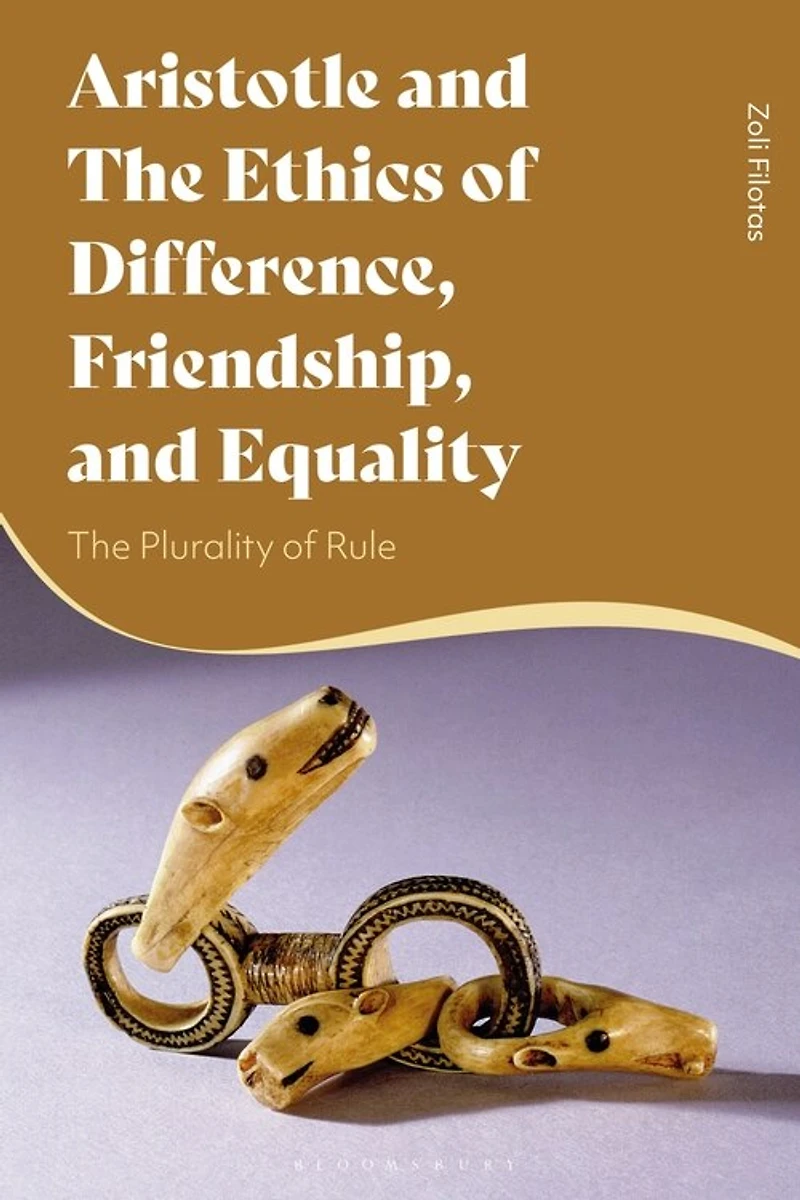
Aristotle and the Ethics of Difference, Friendship, and Equality: The Plurality of Rule in Brampton, ON
Current price: $197.50
Coles
Aristotle and the Ethics of Difference, Friendship, and Equality: The Plurality of Rule in Brampton, ON
Current price: $197.50
Loading Inventory...
Size: Hardcover
*Product information and pricing may vary - to confirm current pricing, availability, shipping, and return information please contact Coles. In the event of a pricing discrepancy, the retailer's price will apply.
Connecting several strands of Aristotle's thought, Zoli Filotas sheds light on one of the axioms of Aristotle's ethics and political philosophy - that every community has a ruler - and demonstrates its relevance to his ideas on personal relationships. Aristotle and the Ethics of Difference, Friendship, and Equality reveals a pluralistic theory of rule in Aristotle's thought, tracing it through his corpus and situating it in a discussion among such figures as Gorgias, Xenophon, and Plato. Considering the similarities and differences among various forms of rule, Filotas shows that for Aristotle even virtuous friends must exercise a version of rule akin to that of slaveholders. He also explores why Aristotle distinguishes the hierarchical rule over women from both the mastery of slaves and the political rule exercised by free and equal citizens. In doing so, he argues that natural and social differences among human beings play a complex, and troubling, role in Aristotle's reasoning. Illuminating and thought-provoking, this book reveals Aristotle's ambivalence about political relations and the equal treatment they involve and offers an engaging inquiry into how he understood the common structures of human relationships.
Connecting several strands of Aristotle's thought, Zoli Filotas sheds light on one of the axioms of Aristotle's ethics and political philosophy - that every community has a ruler - and demonstrates its relevance to his ideas on personal relationships. Aristotle and the Ethics of Difference, Friendship, and Equality reveals a pluralistic theory of rule in Aristotle's thought, tracing it through his corpus and situating it in a discussion among such figures as Gorgias, Xenophon, and Plato. Considering the similarities and differences among various forms of rule, Filotas shows that for Aristotle even virtuous friends must exercise a version of rule akin to that of slaveholders. He also explores why Aristotle distinguishes the hierarchical rule over women from both the mastery of slaves and the political rule exercised by free and equal citizens. In doing so, he argues that natural and social differences among human beings play a complex, and troubling, role in Aristotle's reasoning. Illuminating and thought-provoking, this book reveals Aristotle's ambivalence about political relations and the equal treatment they involve and offers an engaging inquiry into how he understood the common structures of human relationships.
You May Also Like











Find at Bramalea City Centre in Brampton, ON
Visit at Bramalea City Centre in Brampton, ON