



Gifting Made Simple
Give the Gift of ChoiceClick below to purchase a Bramalea City Centre eGift Card that can be used at participating retailers at Bramalea City Centre.Purchase HereHome
Architecture and Interiors of the Harems Eighteenth-Century Istanbul
Coles
Loading Inventory...
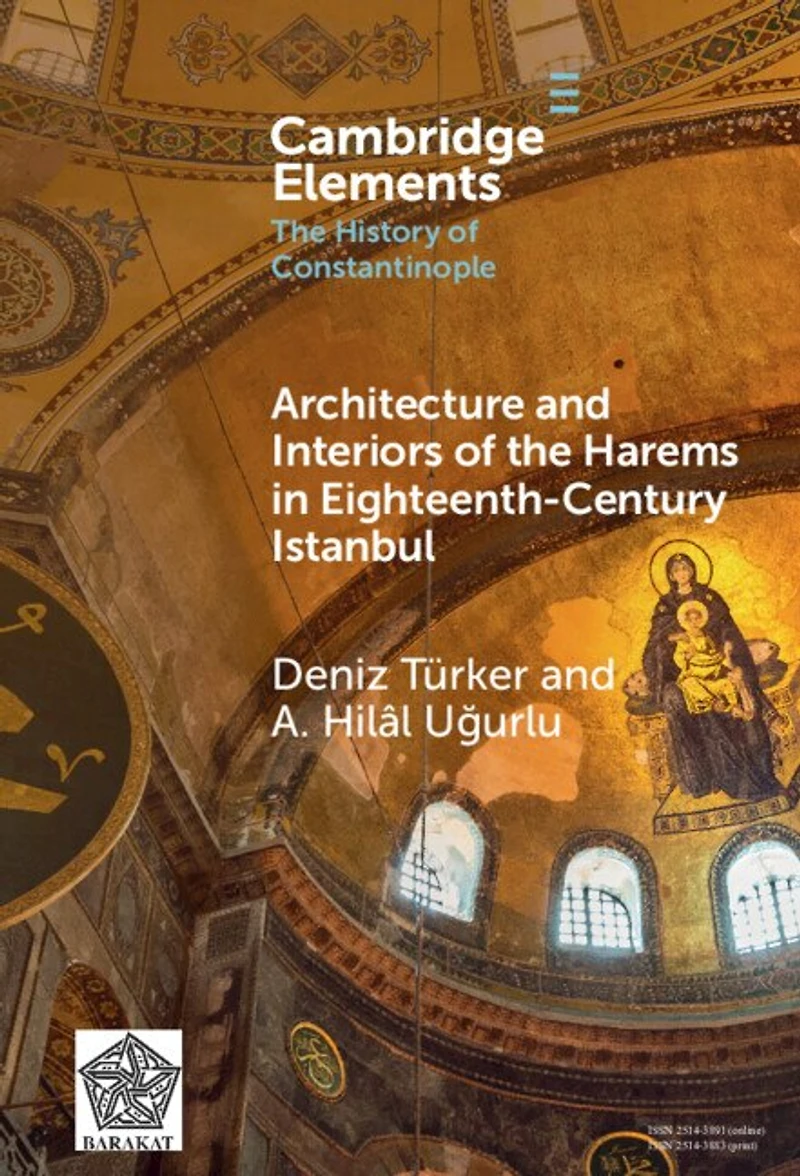
Architecture and Interiors of the Harems Eighteenth-Century Istanbul in Brampton, ON
Current price: $88.95
Coles
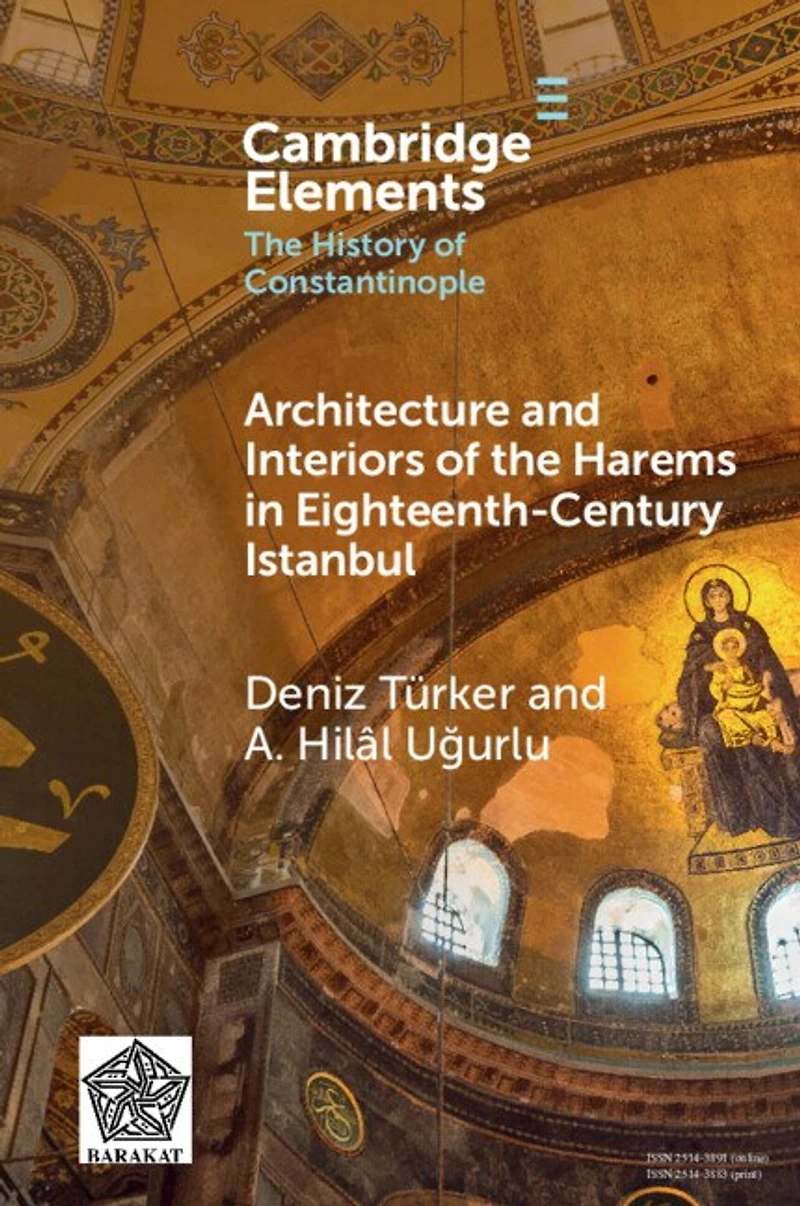
Architecture and Interiors of the Harems Eighteenth-Century Istanbul in Brampton, ON
Current price: $88.95
Loading Inventory...
Size: Hardcover
*Product information and pricing may vary - to confirm current pricing, availability, shipping, and return information please contact Coles. In the event of a pricing discrepancy, the retailer's price will apply.
The two connected Elements—Architecture and Interiors of the Harems in Eighteenth-Century Istanbul and Letters and Gifts in the Harems of Eighteenth-Century Istanbul—center on the lives of royal women during the reign of Selim III. Figures such as Mihrişah Valide Sultan, Sineperver Kadınefendi, and the sultan's sisters shaped Istanbul's urban and social landscape through philanthropy, political engagement, and leisure practices. Focusing on their sub-courts, we argue that these women were key constituents of Selim III's reform initiatives, the nizam-ı cedid. Together, the Elements trace how royal women made their presence visible, incorporating their courts into foreign diplomatic visitation circuits within an expanded Bosphorus network. They also examine the women's prolific correspondence with their kethüdas (stewards). These letters illuminate their material worlds, rivalries, and anxieties, and, most importantly, reveal their central role in shaping courtly decorum and the political culture of reform.
The two connected Elements—Architecture and Interiors of the Harems in Eighteenth-Century Istanbul and Letters and Gifts in the Harems of Eighteenth-Century Istanbul—center on the lives of royal women during the reign of Selim III. Figures such as Mihrişah Valide Sultan, Sineperver Kadınefendi, and the sultan's sisters shaped Istanbul's urban and social landscape through philanthropy, political engagement, and leisure practices. Focusing on their sub-courts, we argue that these women were key constituents of Selim III's reform initiatives, the nizam-ı cedid. Together, the Elements trace how royal women made their presence visible, incorporating their courts into foreign diplomatic visitation circuits within an expanded Bosphorus network. They also examine the women's prolific correspondence with their kethüdas (stewards). These letters illuminate their material worlds, rivalries, and anxieties, and, most importantly, reveal their central role in shaping courtly decorum and the political culture of reform.
You May Also Like
















Find at Bramalea City Centre in Brampton, ON
Visit at Bramalea City Centre in Brampton, ON