



Gifting Made Simple
Give the Gift of ChoiceClick below to purchase a Bramalea City Centre eGift Card that can be used at participating retailers at Bramalea City Centre.Purchase HereHome
Aquatic Mites from Genes to Communities
Coles
Loading Inventory...
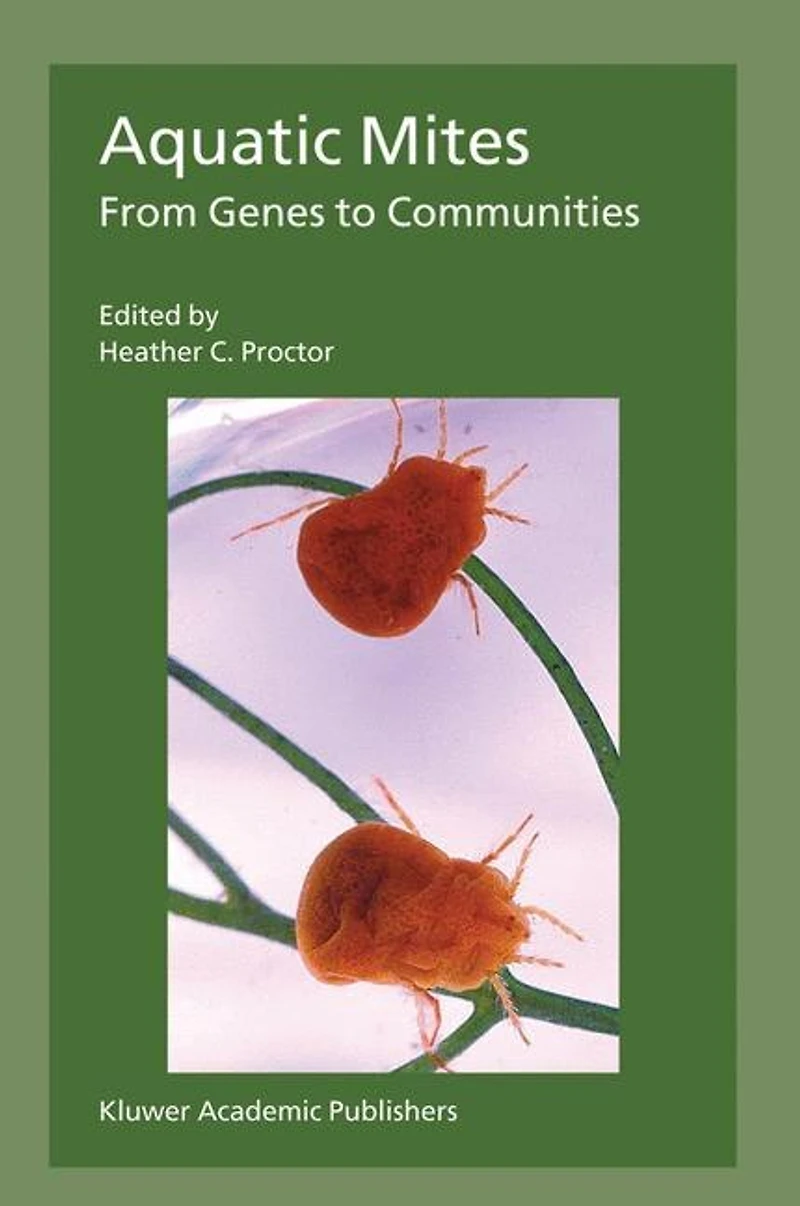

Aquatic Mites from Genes to Communities in Brampton, ON
Current price: $160.95
Coles
Aquatic Mites from Genes to Communities in Brampton, ON
Current price: $160.95
Loading Inventory...
Size: Hardcover
*Product information and pricing may vary - to confirm current pricing, availability, shipping, and return information please contact Coles. In the event of a pricing discrepancy, the retailer's price will apply.
Although the ancestral home of chelicerates was the sea, the vast majority of modern species live on land. Most students of spiders and mites also restrict themselves to terrestrial habitats. However, a surprising number of mites (Arachnida: Acari) have returned to a watery existence. Approximately 7000 species from the Mesostigmata, Astigmata, Oribatida, and especially the Prostigmata, now live in marine and freshwater habitats. In Aquatic Mites, a dozen chapters explore the distribution, ecology, behavior, genetics, and evolution of the most diverse of these astonishing arachnids. The results of these studies raise as many interesting questions as they answer, and should provoke more investigations of the biology of freshwater and marine Acari.
Although the ancestral home of chelicerates was the sea, the vast majority of modern species live on land. Most students of spiders and mites also restrict themselves to terrestrial habitats. However, a surprising number of mites (Arachnida: Acari) have returned to a watery existence. Approximately 7000 species from the Mesostigmata, Astigmata, Oribatida, and especially the Prostigmata, now live in marine and freshwater habitats. In Aquatic Mites, a dozen chapters explore the distribution, ecology, behavior, genetics, and evolution of the most diverse of these astonishing arachnids. The results of these studies raise as many interesting questions as they answer, and should provoke more investigations of the biology of freshwater and marine Acari.
You May Also Like
















Find at Bramalea City Centre in Brampton, ON
Visit at Bramalea City Centre in Brampton, ON