



Gifting Made Simple
Give the Gift of ChoiceClick below to purchase a Bramalea City Centre eGift Card that can be used at participating retailers at Bramalea City Centre.Purchase HereHome
Applicative Arguments: A Syntactic and Semantic Investigation of German English
Coles
Loading Inventory...
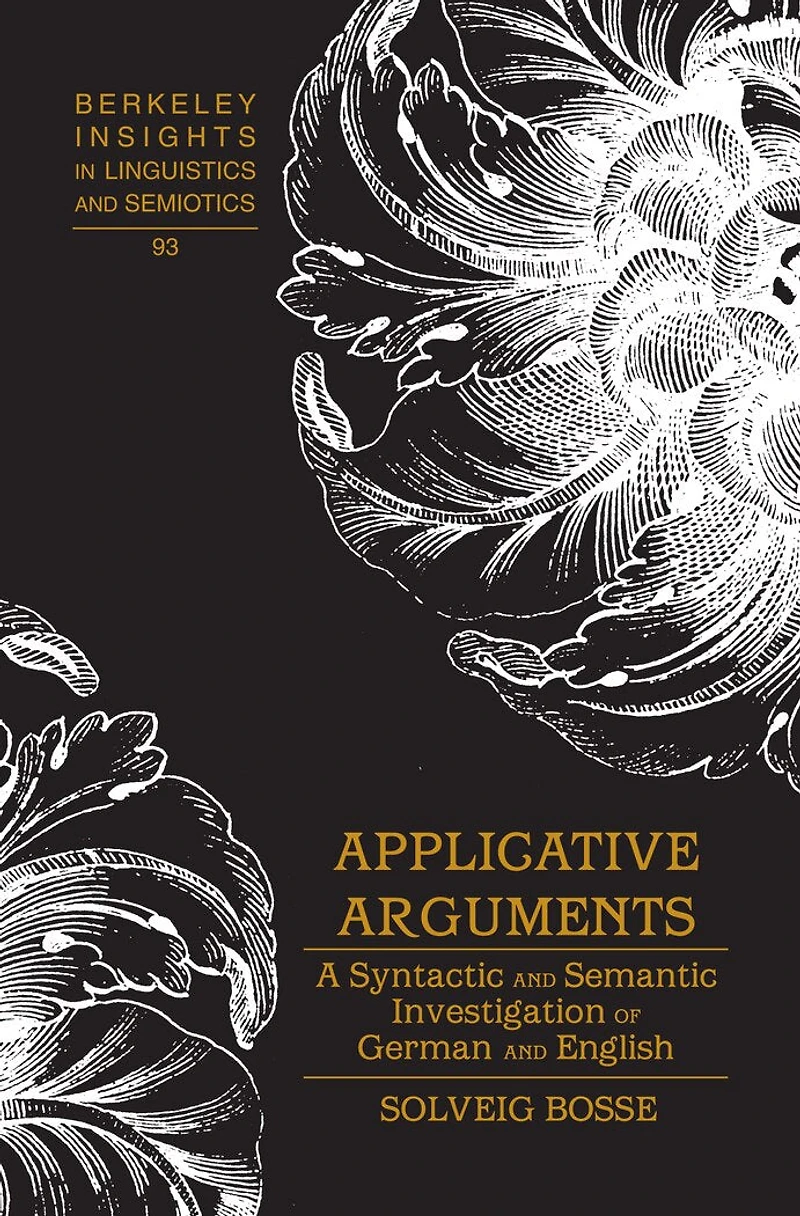
Applicative Arguments: A Syntactic and Semantic Investigation of German English in Brampton, ON
Current price: $149.55
Coles
Applicative Arguments: A Syntactic and Semantic Investigation of German English in Brampton, ON
Current price: $149.55
Loading Inventory...
Size: Hardcover
*Product information and pricing may vary - to confirm current pricing, availability, shipping, and return information please contact Coles. In the event of a pricing discrepancy, the retailer's price will apply.
Applicative Arguments: A Syntactic and Semantic Investigation of German and English presents formal semantic and syntactic analyses of German and English applicative arguments. These arguments are nominal elements that are not obligatory parts of a sentence. Both German and English have several types of applicative arguments, including so-called benefactive and malefactive constructions. More specifically, the research relies on tests to differentiate the different types of applicative arguments based on this contribution to meaning: Some applicatives contribute only not-at-issue meaning, whereas others contribute only at-issue meaning, and still others contribute both types of meaning. These tests are applied to both German and English to uniquely identify the applicative arguments in each language. Formal analyses of the identified type of applicative arguments are presented that provide an account for each type of applicative identified for each language, explaining the applicatives’ differences and similarities.
Applicative Arguments: A Syntactic and Semantic Investigation of German and English presents formal semantic and syntactic analyses of German and English applicative arguments. These arguments are nominal elements that are not obligatory parts of a sentence. Both German and English have several types of applicative arguments, including so-called benefactive and malefactive constructions. More specifically, the research relies on tests to differentiate the different types of applicative arguments based on this contribution to meaning: Some applicatives contribute only not-at-issue meaning, whereas others contribute only at-issue meaning, and still others contribute both types of meaning. These tests are applied to both German and English to uniquely identify the applicative arguments in each language. Formal analyses of the identified type of applicative arguments are presented that provide an account for each type of applicative identified for each language, explaining the applicatives’ differences and similarities.
You May Also Like















Find at Bramalea City Centre in Brampton, ON
Visit at Bramalea City Centre in Brampton, ON