



Gifting Made Simple
Give the Gift of ChoiceClick below to purchase a Bramalea City Centre eGift Card that can be used at participating retailers at Bramalea City Centre.Purchase HereHome
Anzacs: 100 Years Of Service
Coles
Loading Inventory...
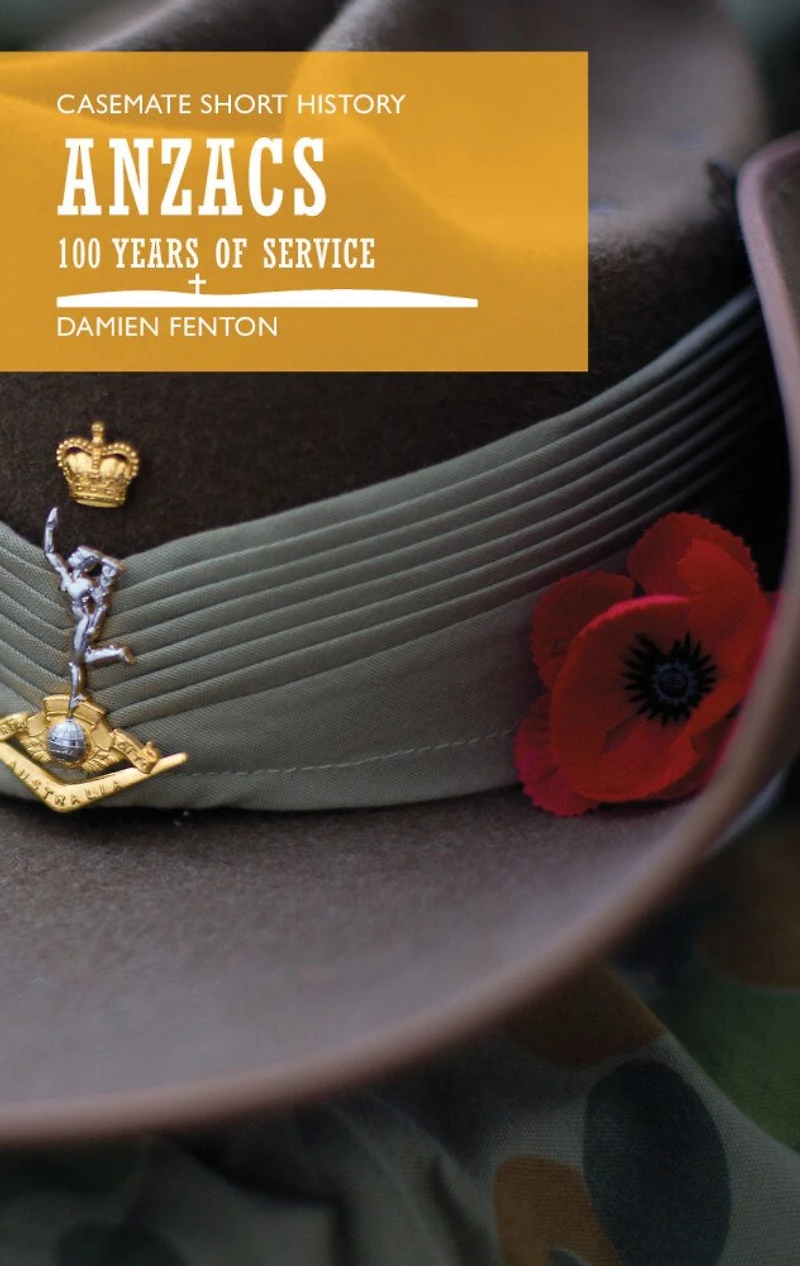
Anzacs: 100 Years Of Service in Brampton, ON
Current price: $24.95
Coles
Anzacs: 100 Years Of Service in Brampton, ON
Current price: $24.95
Loading Inventory...
Size: Paperback
*Product information and pricing may vary - to confirm current pricing, availability, shipping, and return information please contact Coles. In the event of a pricing discrepancy, the retailer's price will apply.
A concise, entertaining, and accessible guide to the Anzacs. When war broke out in 1914, Australia had only been an independent nation for thirteen years and New Zealand for seven and both were eager to establish themselves on the international stage through fighting for the Commonwealth. The Australian and New Zealand Army Corps formed as part of The Mediterranean Expeditionary Force in 1914 under the leadership of General William Birdwood, an officer of the British Indian army, and quickly became known as the Anzacs. In 1915, the Anzacs formed part of the expedition set out to capture the Gallipoli peninsula, with the objective of opening the Dardanelles to the allied navies and eventually capturing Constantinople. Landing on the 25th April, the Anzacs were met with fierce resistance from the Ottoman Turkish defenders, leading to a stalemate which lasted for eight months. The Anzacs launched an offensive in August, which resulted in 2,277 men being killed or wounded, and seven Victoria Crosses being awarded to Australian soldiers. By the end of 1915 the allied forces were evacuated from the peninsula, with more than 8000 Australian soldiers dying in the campaign. This Casemate Short History uncovers the heroic deeds of the Anzacs during WWI, discovering the stories behind the legend of the Anzac soldier, whilst also charting the Anzacs brief reestablishment during WWII and the Vietnam War. Despite Gallipoli being a military disaster, today the 25th April is much celebrated as Anzac Day in Australia, marking the anniversary of the first military action fought by the Anzacs in WWI. The actions of the army at Gallipoli continue to inspire thousands of Australians to visit the Turkish peninsula each year, proud of their courageous and intrepid troops that faced such adversity over 100 years ago.
A concise, entertaining, and accessible guide to the Anzacs. When war broke out in 1914, Australia had only been an independent nation for thirteen years and New Zealand for seven and both were eager to establish themselves on the international stage through fighting for the Commonwealth. The Australian and New Zealand Army Corps formed as part of The Mediterranean Expeditionary Force in 1914 under the leadership of General William Birdwood, an officer of the British Indian army, and quickly became known as the Anzacs. In 1915, the Anzacs formed part of the expedition set out to capture the Gallipoli peninsula, with the objective of opening the Dardanelles to the allied navies and eventually capturing Constantinople. Landing on the 25th April, the Anzacs were met with fierce resistance from the Ottoman Turkish defenders, leading to a stalemate which lasted for eight months. The Anzacs launched an offensive in August, which resulted in 2,277 men being killed or wounded, and seven Victoria Crosses being awarded to Australian soldiers. By the end of 1915 the allied forces were evacuated from the peninsula, with more than 8000 Australian soldiers dying in the campaign. This Casemate Short History uncovers the heroic deeds of the Anzacs during WWI, discovering the stories behind the legend of the Anzac soldier, whilst also charting the Anzacs brief reestablishment during WWII and the Vietnam War. Despite Gallipoli being a military disaster, today the 25th April is much celebrated as Anzac Day in Australia, marking the anniversary of the first military action fought by the Anzacs in WWI. The actions of the army at Gallipoli continue to inspire thousands of Australians to visit the Turkish peninsula each year, proud of their courageous and intrepid troops that faced such adversity over 100 years ago.
You May Also Like

















Find at Bramalea City Centre in Brampton, ON
Visit at Bramalea City Centre in Brampton, ON