



Gifting Made Simple
Give the Gift of ChoiceClick below to purchase a Bramalea City Centre eGift Card that can be used at participating retailers at Bramalea City Centre.Purchase HereHome
Antimicrobial Resistance And Implications
Coles
Loading Inventory...
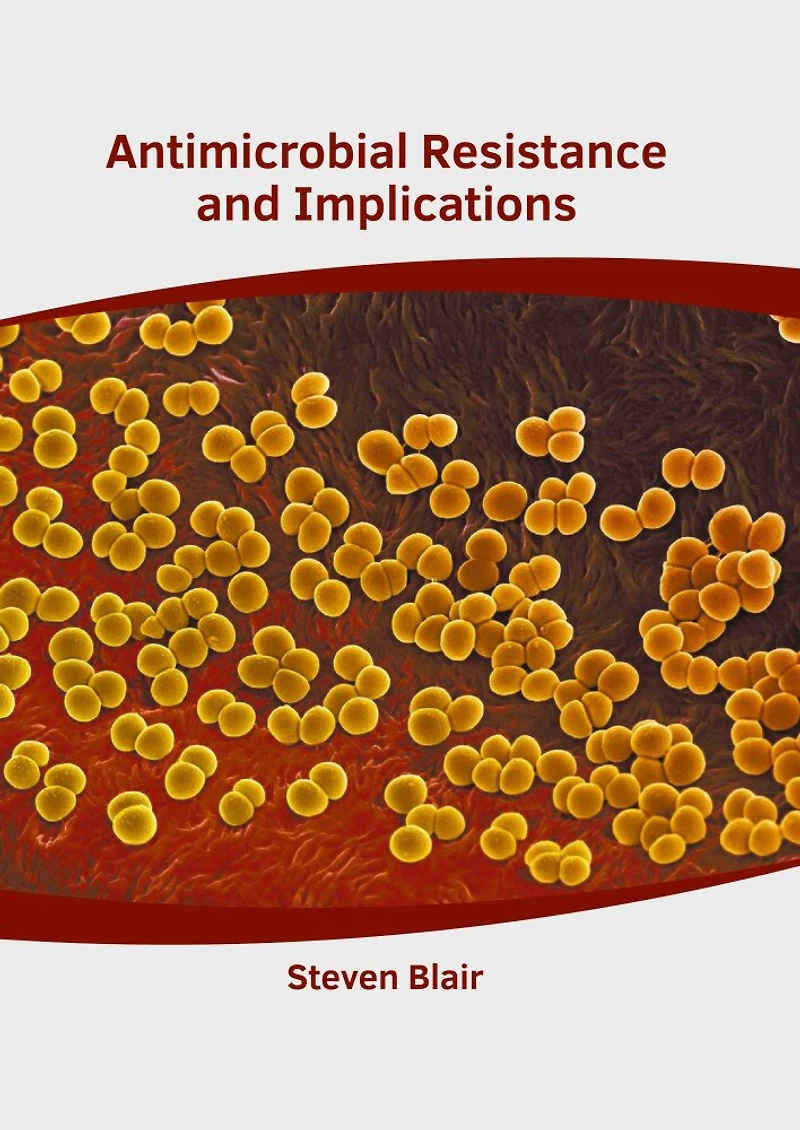
Antimicrobial Resistance And Implications in Brampton, ON
Current price: $208.81
Coles
Antimicrobial Resistance And Implications in Brampton, ON
Current price: $208.81
Loading Inventory...
Size: Hardcover
*Product information and pricing may vary - to confirm current pricing, availability, shipping, and return information please contact Coles. In the event of a pricing discrepancy, the retailer's price will apply.
The resistance of a microorganism to an antimicrobial drug that was once able to treat it is known as antimicrobial resistance. Antimicrobial resistance also develops through the natural resistance in certain bacteria, genetic mutation or one species can acquire resistance from another species. Antibiotic resistance is a subset of antimicrobial resistance which is related to pathogenic bacteria. It is sub-divided into microbiological and clinical resistance. The microbiologically linked resistance occurs from genes that enable the bacteria to resist the mechanism associated with certain antibiotics. Resistant microbes are difficult to treat and require alternative medication or a high dose of antimicrobials. Clinical resistance occurs through the failure of many therapeutic techniques where the bacteria that were likely to be treated, become resistant after surviving the treatment. This book contains some path-breaking studies in the field of antimicrobial resistance. It consists of contributions made by international experts. Those in search of information to further their knowledge will be greatly assisted by this book.
The resistance of a microorganism to an antimicrobial drug that was once able to treat it is known as antimicrobial resistance. Antimicrobial resistance also develops through the natural resistance in certain bacteria, genetic mutation or one species can acquire resistance from another species. Antibiotic resistance is a subset of antimicrobial resistance which is related to pathogenic bacteria. It is sub-divided into microbiological and clinical resistance. The microbiologically linked resistance occurs from genes that enable the bacteria to resist the mechanism associated with certain antibiotics. Resistant microbes are difficult to treat and require alternative medication or a high dose of antimicrobials. Clinical resistance occurs through the failure of many therapeutic techniques where the bacteria that were likely to be treated, become resistant after surviving the treatment. This book contains some path-breaking studies in the field of antimicrobial resistance. It consists of contributions made by international experts. Those in search of information to further their knowledge will be greatly assisted by this book.
You May Also Like










Find at Bramalea City Centre in Brampton, ON
Visit at Bramalea City Centre in Brampton, ON