



Gifting Made Simple
Give the Gift of ChoiceClick below to purchase a Bramalea City Centre eGift Card that can be used at participating retailers at Bramalea City Centre.Purchase HereHome
Anthropology And Dialectical Naturalism: A Philosophical Manifesto
Coles
Loading Inventory...
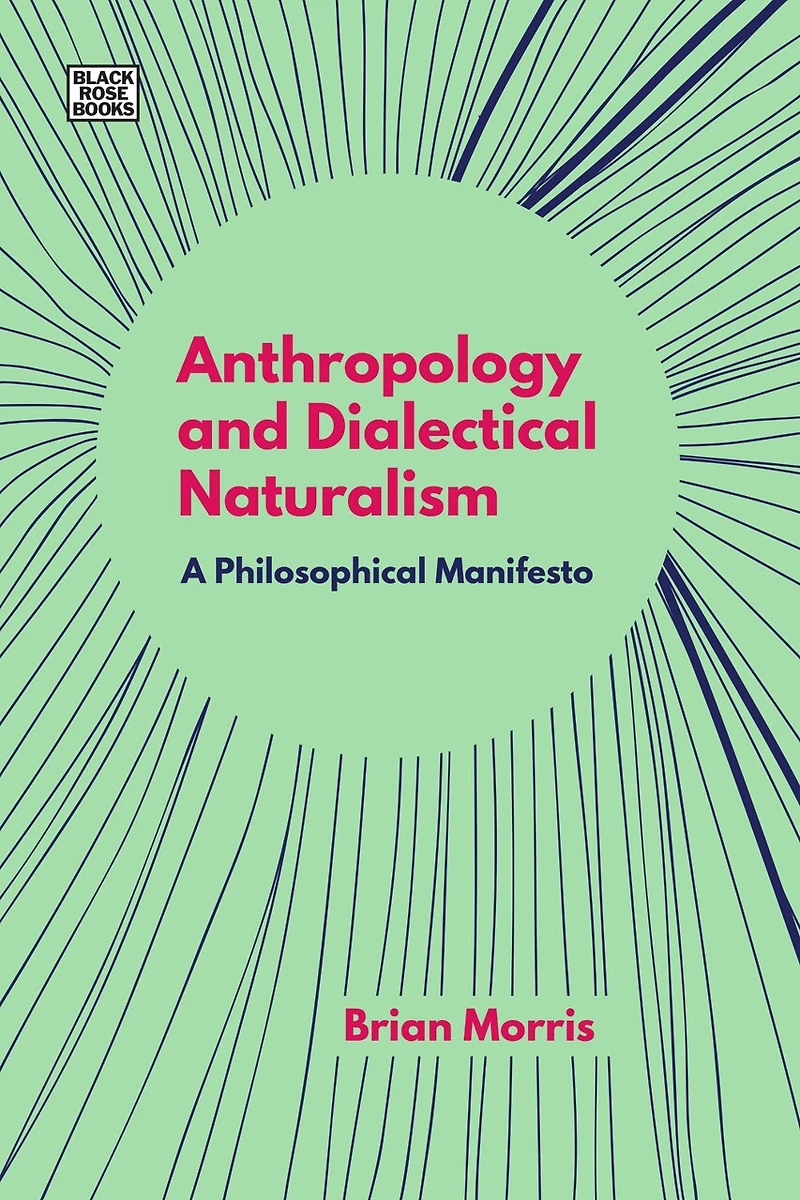
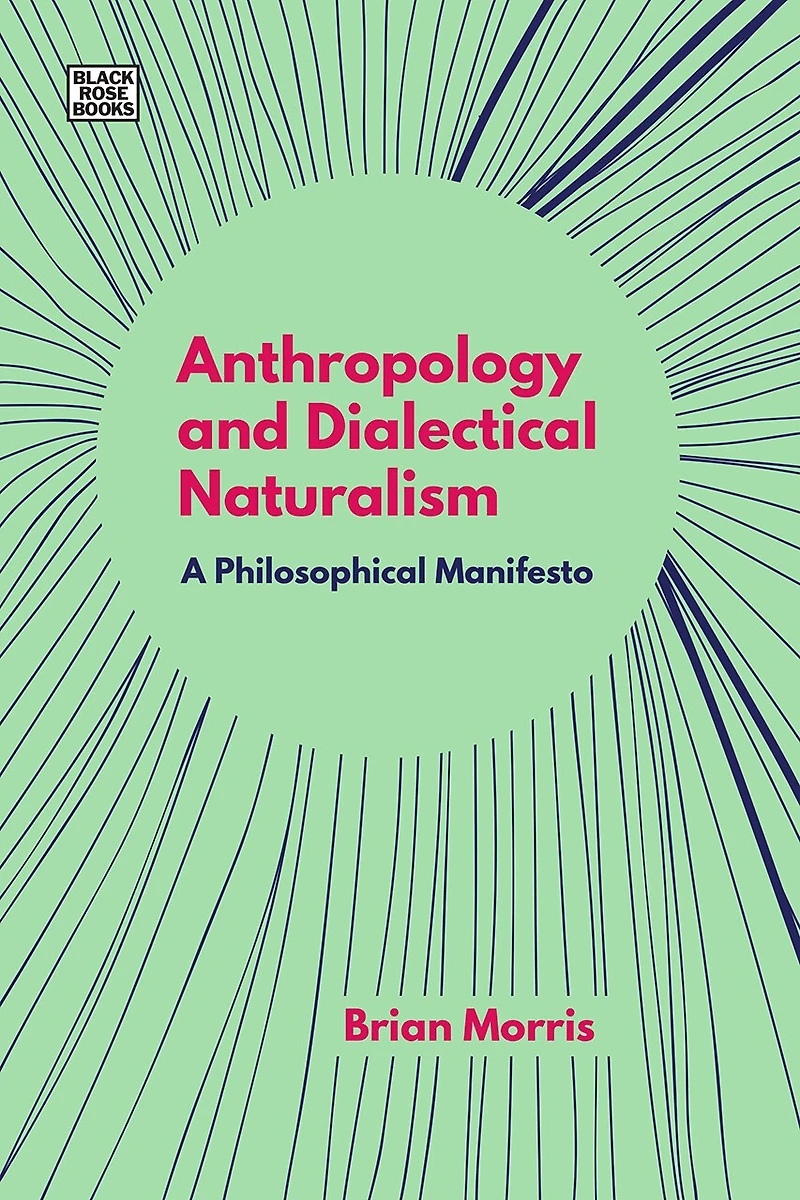
Anthropology And Dialectical Naturalism: A Philosophical Manifesto in Brampton, ON
Current price: $56.99
Coles
Anthropology And Dialectical Naturalism: A Philosophical Manifesto in Brampton, ON
Current price: $56.99
Loading Inventory...
Size: Hardcover
*Product information and pricing may vary - to confirm current pricing, availability, shipping, and return information please contact Coles. In the event of a pricing discrepancy, the retailer's price will apply.
Is the world just a cultural construct where people create their own realities? In this illuminating and wide-ranging philosophical treatise, Brian Morris critiques broad swathes of recent theory as he seeks to reclaim anthropology as a historical social science. He achieves this by grounding it within a metaphysic of “dialectical naturalism” or “evolutionary realism”—a tradition long ignored by academic philosophy.
After reviewing the anthropological background of this worldview—the Greeks and the Enlightenment—Morris explores two essential themes. First, he critically assesses the main forms of dialectical naturalism, including Darwin’s evolutionary theory, Marx’s historical materialism, and the hylorealism of the philosopher-scientist Mario Bunge. Second, he offers a strong plea to retain the dual heritage of anthropology as a historical science that combines both humanism and naturalism. A powerful philosophical manifesto, the book cogently upholds dialectical naturalism as the most grounding philosophy for anthropology and the social sciences.
Is the world just a cultural construct where people create their own realities? In this illuminating and wide-ranging philosophical treatise, Brian Morris critiques broad swathes of recent theory as he seeks to reclaim anthropology as a historical social science. He achieves this by grounding it within a metaphysic of “dialectical naturalism” or “evolutionary realism”—a tradition long ignored by academic philosophy.
After reviewing the anthropological background of this worldview—the Greeks and the Enlightenment—Morris explores two essential themes. First, he critically assesses the main forms of dialectical naturalism, including Darwin’s evolutionary theory, Marx’s historical materialism, and the hylorealism of the philosopher-scientist Mario Bunge. Second, he offers a strong plea to retain the dual heritage of anthropology as a historical science that combines both humanism and naturalism. A powerful philosophical manifesto, the book cogently upholds dialectical naturalism as the most grounding philosophy for anthropology and the social sciences.
You May Also Like









Find at Bramalea City Centre in Brampton, ON
Visit at Bramalea City Centre in Brampton, ON