



Gifting Made Simple
Give the Gift of ChoiceClick below to purchase a Bramalea City Centre eGift Card that can be used at participating retailers at Bramalea City Centre.Purchase HereHome
Anonymity Eighteenth-Century Italian Publishing: The Absent Author
Coles
Loading Inventory...
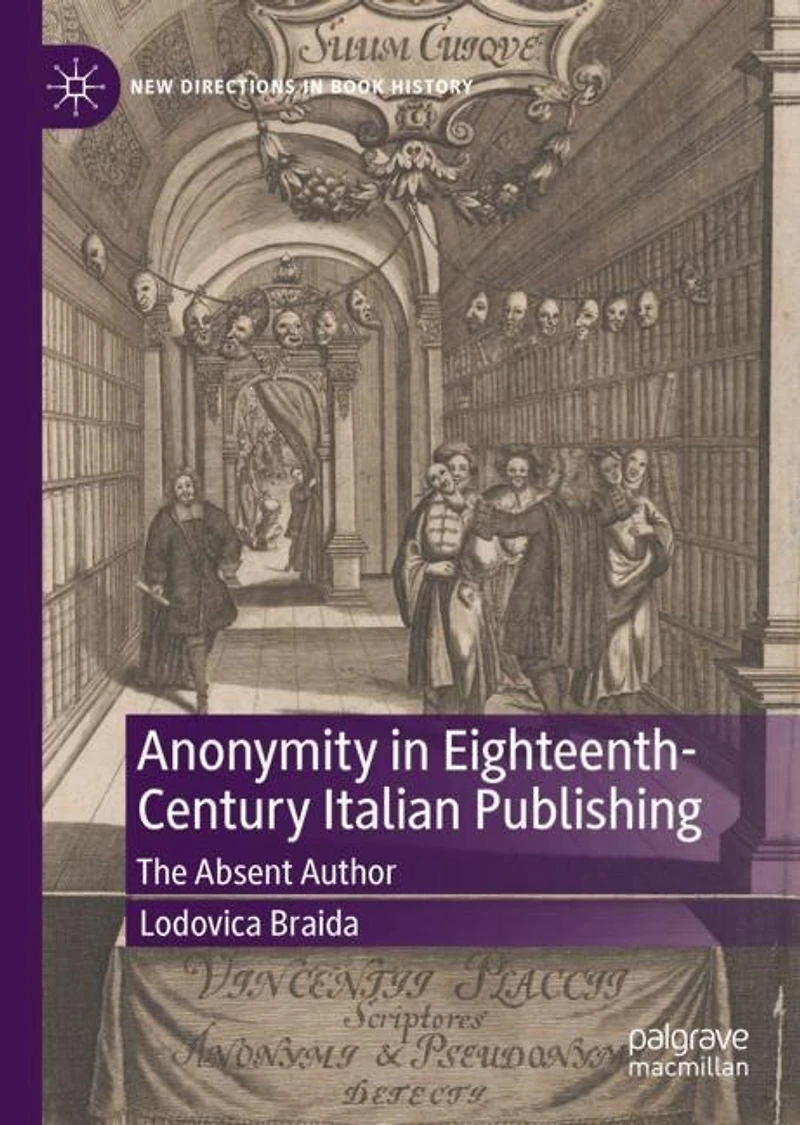
Anonymity Eighteenth-Century Italian Publishing: The Absent Author in Brampton, ON
Current price: $160.95
Coles
Anonymity Eighteenth-Century Italian Publishing: The Absent Author in Brampton, ON
Current price: $160.95
Loading Inventory...
Size: Hardcover
*Product information and pricing may vary - to confirm current pricing, availability, shipping, and return information please contact Coles. In the event of a pricing discrepancy, the retailer's price will apply.
This book focuses on the different forms in which authorship came to be expressed in eighteenth-century Italian publishing. It analyses both the affirmation of the "author function", and, above all, its paradoxical opposite: the use of anonymity, a centuries-old practice present everywhere in Europe but often neglected by scholarship. The reasons why authors chose to publish their works anonymously were manifold, including prudence, fear of censorship, modesty, fear of personal criticism, or simple divertissement. In many cases, it was an ethical choice, especially for ecclesiastics. The Italian case provides a key perspective on the study of anonymity in the European context, contributing to the analysis of an overlooked topic in academic studies.
This book focuses on the different forms in which authorship came to be expressed in eighteenth-century Italian publishing. It analyses both the affirmation of the "author function", and, above all, its paradoxical opposite: the use of anonymity, a centuries-old practice present everywhere in Europe but often neglected by scholarship. The reasons why authors chose to publish their works anonymously were manifold, including prudence, fear of censorship, modesty, fear of personal criticism, or simple divertissement. In many cases, it was an ethical choice, especially for ecclesiastics. The Italian case provides a key perspective on the study of anonymity in the European context, contributing to the analysis of an overlooked topic in academic studies.
You May Also Like














Find at Bramalea City Centre in Brampton, ON
Visit at Bramalea City Centre in Brampton, ON