



Gifting Made Simple
Give the Gift of ChoiceClick below to purchase a Bramalea City Centre eGift Card that can be used at participating retailers at Bramalea City Centre.Purchase HereHome
Animals: Mammals, Birds, Reptiles, Amphibians, Fish, and Other Animals
Coles
Loading Inventory...
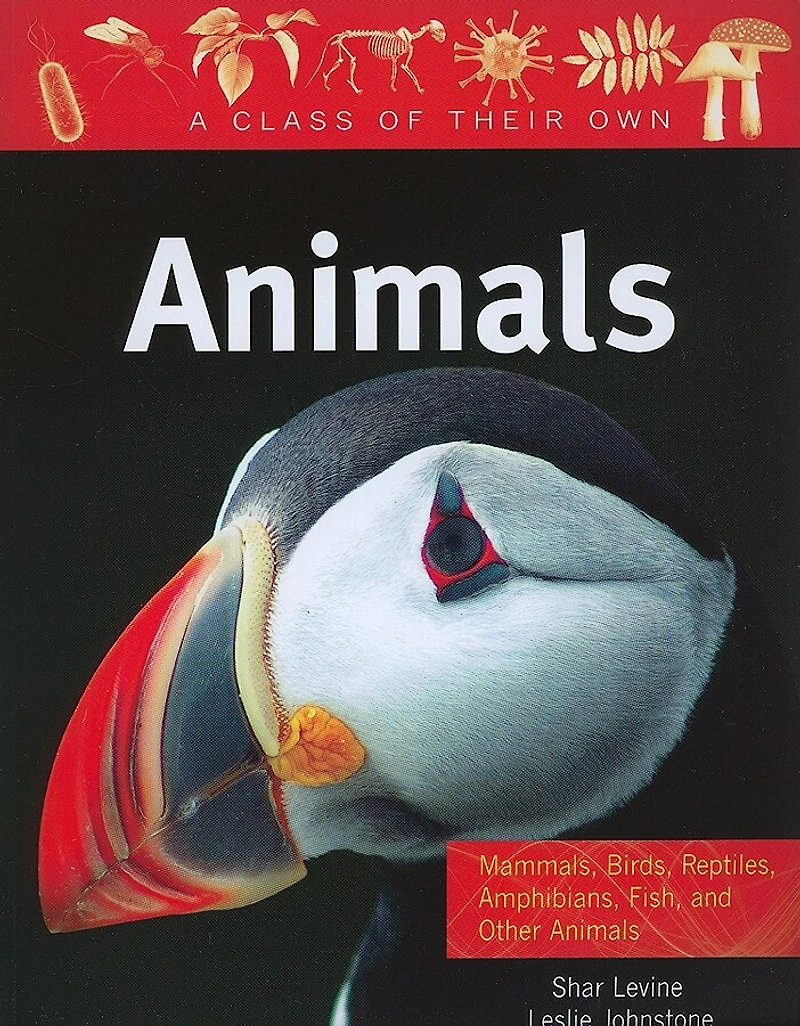
Animals: Mammals, Birds, Reptiles, Amphibians, Fish, and Other Animals in Brampton, ON
Current price: $12.95
Coles
Animals: Mammals, Birds, Reptiles, Amphibians, Fish, and Other Animals in Brampton, ON
Current price: $12.95
Loading Inventory...
Size: Paperback
*Product information and pricing may vary - to confirm current pricing, availability, shipping, and return information please contact Coles. In the event of a pricing discrepancy, the retailer's price will apply.
How in the world do you classify the more than one million species in the animal kingdom? This fact-packed book divides animals into the major phyla, including chordates, arthropods, and mollusks; the major classes, such as fish, amphibians, reptiles, birds, mammals, and insects; and by critical features, such as cell structure and the need to feed. Fascinating case histories examine the discovery of new mammal species, the need to conserve endangered species, and using natural predators to control populations and preserve species and their environments. Special sections also highlight the relationships of animals with plants (food chains), bacteria (diseases), and Archaea (non-bacterial microorganisms found in the intestines of some animals).
How in the world do you classify the more than one million species in the animal kingdom? This fact-packed book divides animals into the major phyla, including chordates, arthropods, and mollusks; the major classes, such as fish, amphibians, reptiles, birds, mammals, and insects; and by critical features, such as cell structure and the need to feed. Fascinating case histories examine the discovery of new mammal species, the need to conserve endangered species, and using natural predators to control populations and preserve species and their environments. Special sections also highlight the relationships of animals with plants (food chains), bacteria (diseases), and Archaea (non-bacterial microorganisms found in the intestines of some animals).
You May Also Like

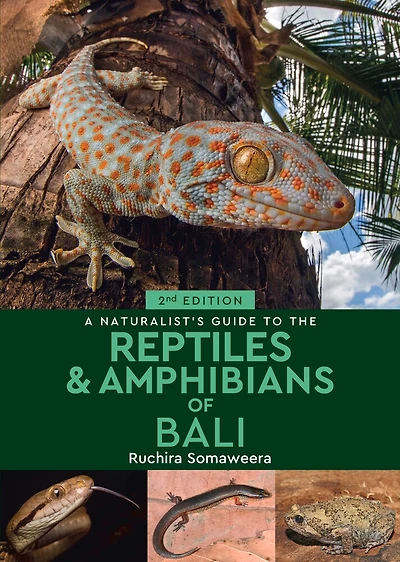








Find at Bramalea City Centre in Brampton, ON
Visit at Bramalea City Centre in Brampton, ON