



Gifting Made Simple
Give the Gift of ChoiceClick below to purchase a Bramalea City Centre eGift Card that can be used at participating retailers at Bramalea City Centre.Purchase HereHome
Anglo-Saxon Psychologies in the Vernacular and Latin Traditions
Coles
Loading Inventory...
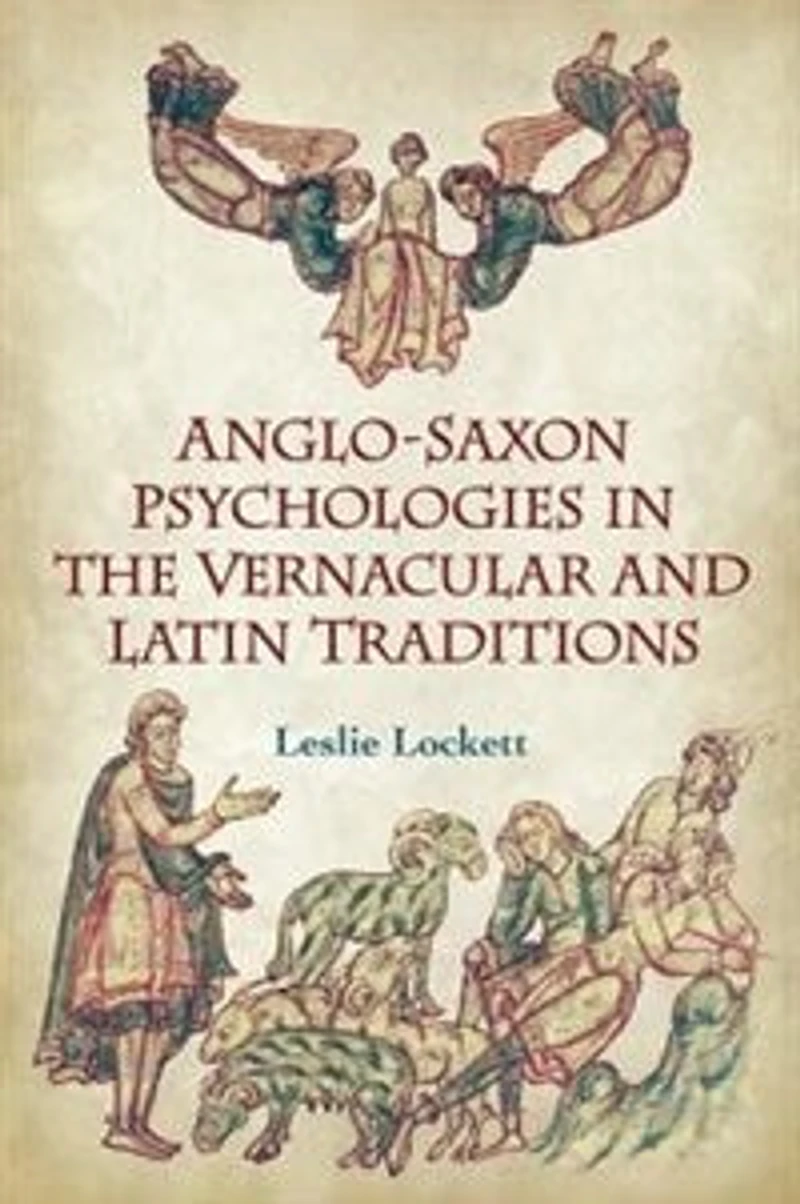
Anglo-Saxon Psychologies in the Vernacular and Latin Traditions in Brampton, ON
Current price: $69.75
Coles
Anglo-Saxon Psychologies in the Vernacular and Latin Traditions in Brampton, ON
Current price: $69.75
Loading Inventory...
Size: Paperback
*Product information and pricing may vary - to confirm current pricing, availability, shipping, and return information please contact Coles. In the event of a pricing discrepancy, the retailer's price will apply.
Old English verse and prose depict the human mind as a corporeal entity located in the chest cavity, susceptible to spatial and thermal changes corresponding to the psychological states: it was thought that emotions such as rage, grief, and yearning could cause the contents of the chest to grow warm, boil, or be constricted by pressure. While readers usually assume the metaphorical nature of such literary images, Leslie Lockett, in Anglo-Saxon Psychologies in the Vernacular and Latin Traditions , argues that these depictions are literal representations of Anglo-Saxon folk psychology.
Lockett analyses both well-studied and little-known texts, including Insular Latin grammars, The Ruin , the Old English Soliloquies, The Rhyming Poem , and the writings of Patrick, Bishop of Dublin. She demonstrates that the Platonist-Christian theory of the incorporeal mind was known to very few Anglo-Saxons throughout most of the period, while the concept of mind-in-the-heart remained widespread. Anglo-Saxon Psychologies in the Vernacular and Latin Traditions examines the interactions of rival - and incompatible - concepts of the mind in a highly original way.
Old English verse and prose depict the human mind as a corporeal entity located in the chest cavity, susceptible to spatial and thermal changes corresponding to the psychological states: it was thought that emotions such as rage, grief, and yearning could cause the contents of the chest to grow warm, boil, or be constricted by pressure. While readers usually assume the metaphorical nature of such literary images, Leslie Lockett, in Anglo-Saxon Psychologies in the Vernacular and Latin Traditions , argues that these depictions are literal representations of Anglo-Saxon folk psychology.
Lockett analyses both well-studied and little-known texts, including Insular Latin grammars, The Ruin , the Old English Soliloquies, The Rhyming Poem , and the writings of Patrick, Bishop of Dublin. She demonstrates that the Platonist-Christian theory of the incorporeal mind was known to very few Anglo-Saxons throughout most of the period, while the concept of mind-in-the-heart remained widespread. Anglo-Saxon Psychologies in the Vernacular and Latin Traditions examines the interactions of rival - and incompatible - concepts of the mind in a highly original way.
You May Also Like








Find at Bramalea City Centre in Brampton, ON
Visit at Bramalea City Centre in Brampton, ON