



Gifting Made Simple
Give the Gift of ChoiceClick below to purchase a Bramalea City Centre eGift Card that can be used at participating retailers at Bramalea City Centre.Purchase HereHome
Ancient Letters and the Purpose of Romans: Law Membrane
Coles
Loading Inventory...
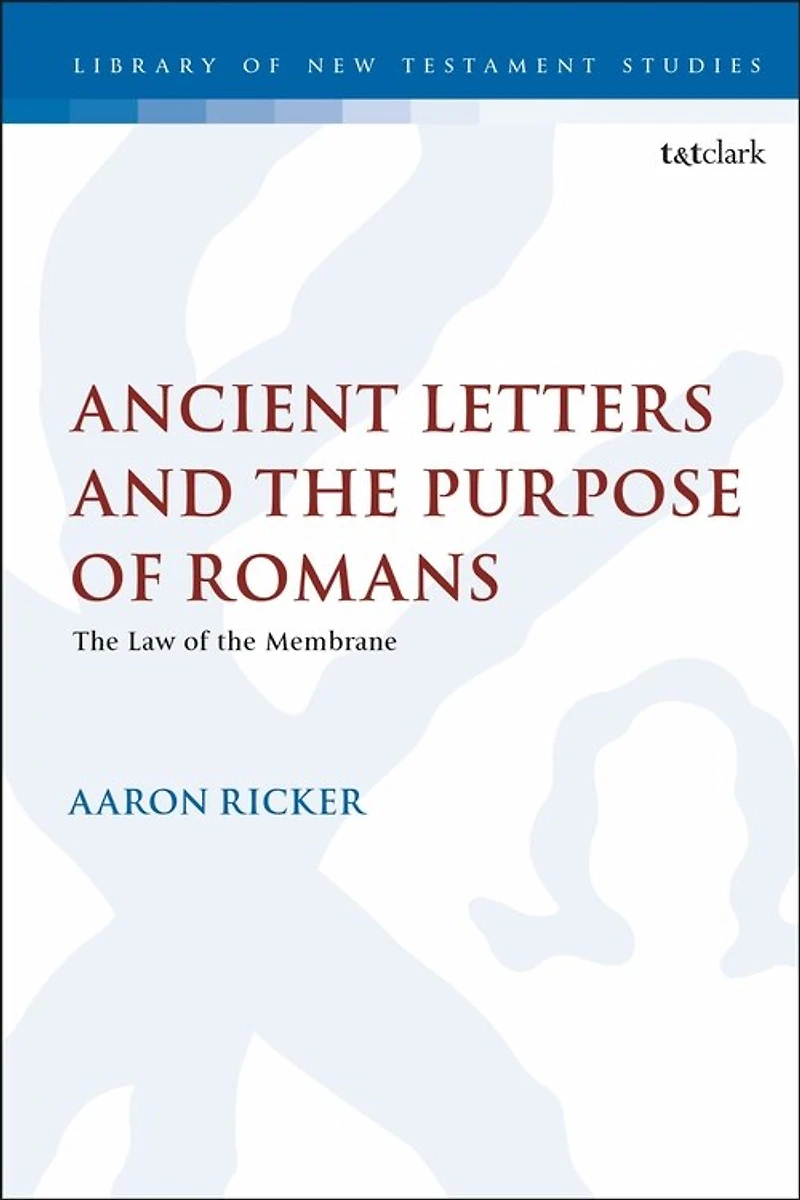
Ancient Letters and the Purpose of Romans: Law Membrane in Brampton, ON
Current price: $219.50
Coles
Ancient Letters and the Purpose of Romans: Law Membrane in Brampton, ON
Current price: $219.50
Loading Inventory...
Size: Hardcover
*Product information and pricing may vary - to confirm current pricing, availability, shipping, and return information please contact Coles. In the event of a pricing discrepancy, the retailer's price will apply.
Aaron Ricker locates the purpose of Romans in its function as a tool of community identity definition. Ricker employs a comparative analysis of the ways in which community identity definition is performed in first-century association culture, including several ancient network letters comparable to Romans. Ricker's examination of the community advice found in Rom 12-15 reveals in this new context an ancient example of the ways in which an inscribed addressee community can be invited in a letter to see and comport itself as a "proper" association network community. The ideal community addressed in the letter to the Romans is defined as properly unified and orderly, as well accommodating to - and clearly distinct from - cultures "outside." Finally, it is defined as linked to a proper network with recognised leadership (i.e., the inscribed Paul of the letter and his network). Paul's letter to the Romans is in many ways a baffling and extraordinary document. In terms of its community-defining functions and strategies, however, Ricker shows its purpose to be perfectly clear and understandable.
Aaron Ricker locates the purpose of Romans in its function as a tool of community identity definition. Ricker employs a comparative analysis of the ways in which community identity definition is performed in first-century association culture, including several ancient network letters comparable to Romans. Ricker's examination of the community advice found in Rom 12-15 reveals in this new context an ancient example of the ways in which an inscribed addressee community can be invited in a letter to see and comport itself as a "proper" association network community. The ideal community addressed in the letter to the Romans is defined as properly unified and orderly, as well accommodating to - and clearly distinct from - cultures "outside." Finally, it is defined as linked to a proper network with recognised leadership (i.e., the inscribed Paul of the letter and his network). Paul's letter to the Romans is in many ways a baffling and extraordinary document. In terms of its community-defining functions and strategies, however, Ricker shows its purpose to be perfectly clear and understandable.
You May Also Like
















Find at Bramalea City Centre in Brampton, ON
Visit at Bramalea City Centre in Brampton, ON